Why does the same DNA damage cause cancer in some people, but not others?

There is a long-standing puzzle in cancer biology: of two people exposed to the same carcinogen, even carrying detectably identical DNA damage in their cells, only one may go on to develop cancer. Not every smoker gets lung cancer; not everyone with the same sunburn develops skin cancer. Scientists have long attributed this inconsistency to chance, differences in immune function, or unidentified environmental factors.
A new mouse study adds a third, directly testable explanation to that picture: inherited genetic differences. Researchers exposed mouse strains with different genetic backgrounds to the same DNA-damaging substance and then tracked which animals went on to develop cancer, how quickly it progressed, and what form it took.
The key to the experiment was its level of control: every mouse was exposed to precisely the same amount and type of DNA damage — a consistency that is almost never guaranteed in human populations. That control allowed the researchers to isolate the effect of inherited genetic background alone, rather than variation in the damage itself.
The results were clear: despite identical DNA damage, mice with different genetic backgrounds differed markedly in their likelihood of developing cancer, how fast the disease progressed, and even in which type of tumour ultimately emerged. Some strains remained largely resistant to the damage, while others progressed to cancer quickly and predictably.
The researchers believe the difference may stem from inherited variation in DNA repair mechanisms, in the pathways that trigger cell death, and in how efficiently damaged cells are cleared by the immune system. A given individual's genetic makeup, in other words, can largely determine whether a damaged cell gets repaired, dies off safely, or continues to proliferate unchecked.
The finding fits a pattern long observed but never fully explained in cancer epidemiology: cancer risk can vary widely even within the same family, and some individuals avoid the disease despite high-risk behaviours or exposures. The study offers a biological mechanism for that kind of observation.
Scientists are cautious about how directly the findings translate to humans. Mouse models offer valuable clues about human cancer biology, but genetic diversity in human populations is far more complex and intertwined with environmental factors, so confirming the findings in humans will require further research.
The long-term goal is for doctors to eventually be able to look at a person's genetic profile and more accurately predict their cancer risk following a given exposure. That could, for example, allow screening frequency to be personalised for people in high-risk occupations or with a strong family history of the disease.
The research also offers an argument for why cancer prevention strategies should not be limited to a one-size-fits-all approach. The same level of exposure could translate to very different levels of risk for two people with different genetic backgrounds — a question mark that leaves open how public health advice might be personalised in the future.
Researchers say the next step is to identify which specific genes drive this protection or vulnerability, first in human cell lines and eventually in large-scale human cohort studies. If those genes can be pinpointed, the future of predicting cancer risk may rest less on exposure history and more on inherited genetic profile.
Read next

What does a sauna session actually do to your immune system?
The sauna has been a health ritual in Nordic culture for centuries, but science is only now mapping exactly what it changes in the body. Finnish researchers found that a single 30-minute sauna session, followed by a cold shower, raised the levels of every type of white blood cell circulating in participants' bloodstream. Here is what a single sauna session actually does to the immune system.

High-THC medicinal cannabis: why prescribed doses often run far above what trials have tested
THC is the main psychoactive compound in cannabis, and as the medicinal cannabis market has expanded rapidly, doctors are increasingly prescribing products with far higher concentrations than those tested in clinical trials. A review by researchers at Australia's Monash University found that of more than 1,000 available products, only two have been evaluated by the drug regulator. Here is what is known about high-dose THC risk, and why the gap matters.
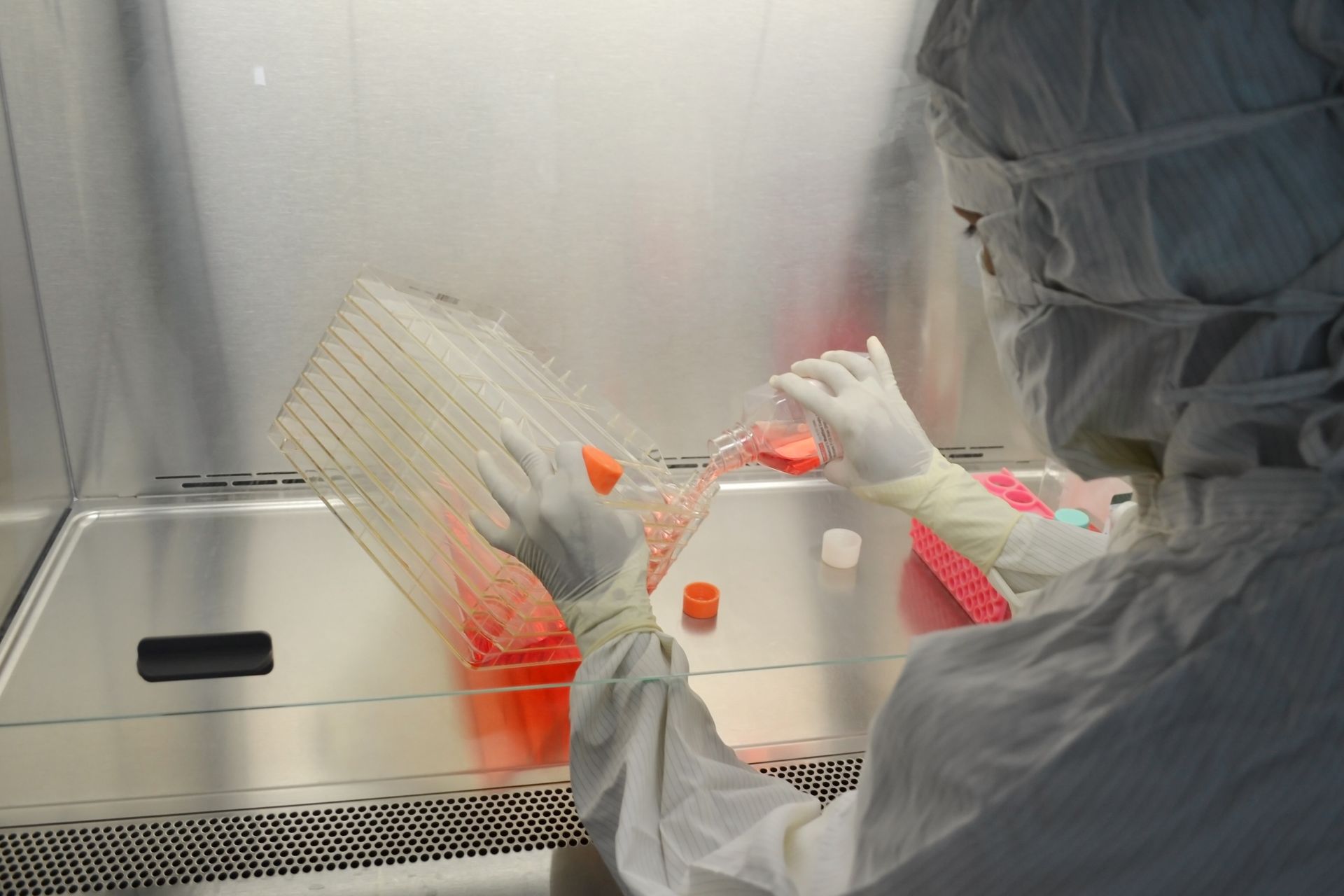
What is AATD, and why are biotech firms racing to cure a genetic disease few have heard of
Alpha-1 antitrypsin deficiency, or AATD, is an inherited condition that can damage both the lungs and the liver, and until recently it was widely seen as a lost cause. Advances in gene-editing technology have now turned it into a genuine biotech gold rush, complete with patent disputes, startup defections, and a growing US-China rivalry. Here is what AATD is, and why it suddenly matters.
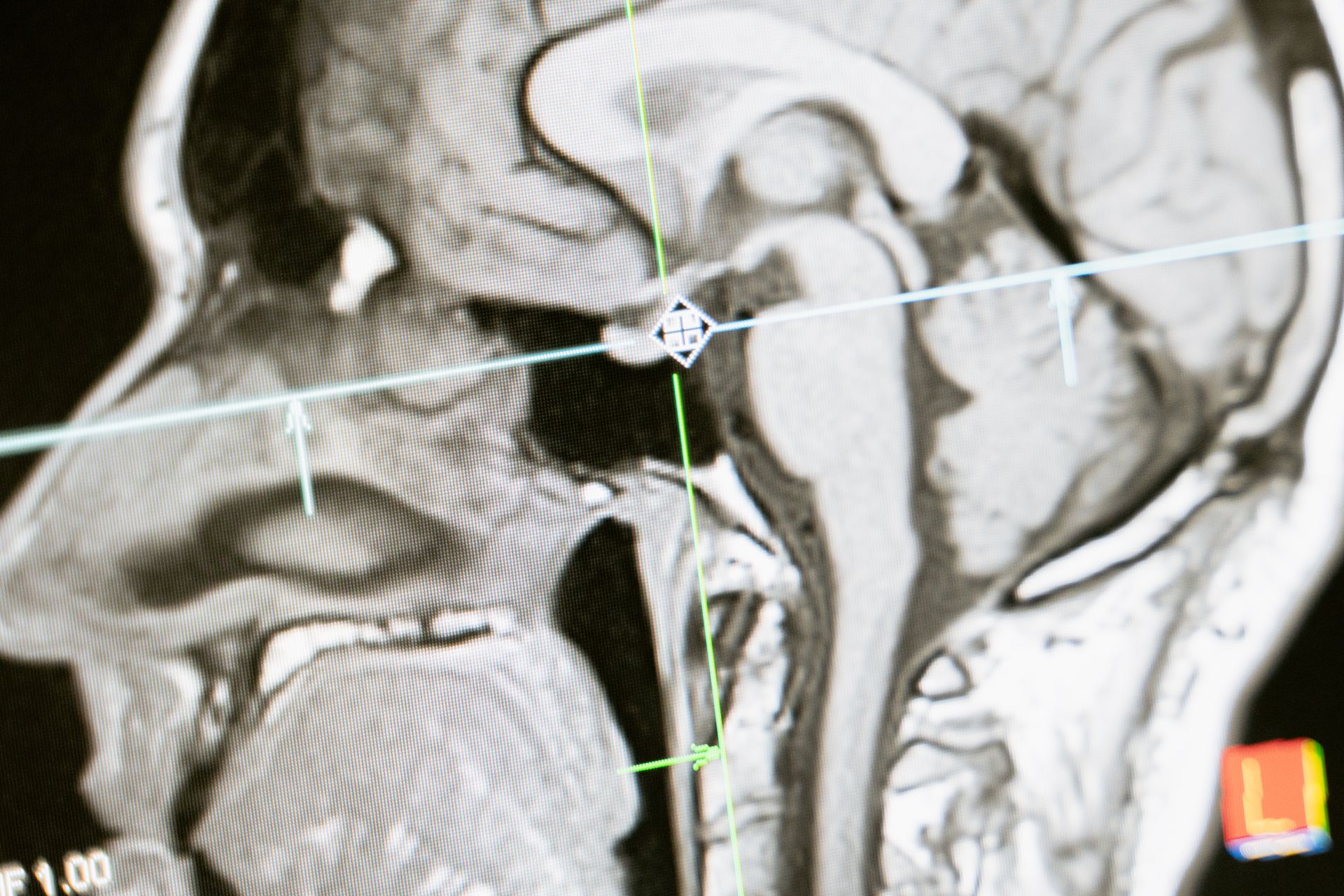
Alzheimer's treatment: why a new amyloid drug may carry a lower brain-swelling risk
Approved amyloid-clearing Alzheimer's drugs work, but they carry a side effect called ARIA — brain swelling and micro-bleeds visible on scans. An early-stage trial from ProMIS Neurosciences offers preliminary evidence that a molecule targeting toxic amyloid clusters more selectively could lower that risk. The results are still early, but researchers in the field call them encouraging.

Picky eating in children: what actually gets a fussy child to the table
Picky eating is one of the most common mealtime battles parents face, and it typically peaks between the ages of two and six. Paediatric dietitians say the fight is rarely won through pressure or bribery, but through repetition and low-pressure exposure. Here is what child-nutrition guidance says actually works.