High-THC medicinal cannabis: why prescribed doses often run far above what trials have tested

Delta-9-tetrahydrocannabinol, or THC, is the main psychoactive compound in the cannabis plant and the active ingredient in most medicinal cannabis products. It is increasingly prescribed for conditions such as chronic pain, insomnia, and chemotherapy-related nausea — but the fact that a product can be prescribed does not mean it has been tested or approved at a specific dose.
Researchers at Monash University systematically reviewed the existing evidence base for medicinal cannabis products already on sale in Australia. The findings were striking: of more than 1,000 products on the market, only two have been formally evaluated for efficacy and safety by the country's drug regulator. The vast majority of the remaining products are sold at THC concentrations far above those tested in clinical trials.
According to the review, some prescribed products contain THC concentrations up to four times higher than the doses evaluated for safety and efficacy in clinical studies. That means patients are routinely being treated well outside the dose range that science has actually verified — not as an exception, but as common practice.
Known risks of high-dose THC include acute anxiety, paranoia, dizziness, and cognitive impairment, and in some patients these effects can seriously disrupt day-to-day functioning. Regular high-dose use has been associated with a worsening of psychiatric symptoms, particularly in young adults and people with a history of psychosis, although the direction of that relationship remains an active area of research.
Researchers say part of the problem stems from how quickly the market has grown. Access to medicinal cannabis in Australia expanded through a system in which doctors approve products on a case-by-case basis for individual patients — a system that offers flexibility but largely bypasses the conventional drug-approval process that requires each product to go through its own clinical trials.
That leaves doctors in a difficult position too. Most prescribing physicians do not have access to solid evidence on what dose of the specific product in front of them is effective for a given condition, and instead rely on general clinical experience, patient feedback, and manufacturer information to guide their decisions.
Industry representatives argue that the market is maturing quickly and that standards will improve as more clinical data accumulates. Still, there is a growing consensus that regulators need to tie the approval process more tightly to the THC concentration of a given product.
For patients, the practical takeaway is that a medicinal cannabis prescription alone is not a guarantee of safety. Experts recommend that patients ask their doctors what evidence supports a particular product, and where possible start at a low dose and increase gradually — a standard practice for many drug classes that is not always applied consistently to cannabis products.
Researchers stress that the findings do not amount to a call to reject medicinal cannabis outright; rather, they show that the existing evidence base has not kept pace with the diversity of products now available. The goal, they say, is to make the evidence behind a patient's treatment transparent.
The review also raises a broader question for regulators and health systems: how to maintain safety standards in a rapidly growing market. As medicinal cannabis becomes more widespread globally, whether similar gaps emerge in other countries will be closely watched.
Read next

Why does the same DNA damage cause cancer in some people, but not others?
Two people can be exposed to the same chemical and end up with identical DNA damage in their cells, yet only one of them develops cancer. A controlled mouse study has provided direct evidence that inherited genetics steers whether — and how — cancer emerges once that damage has occurred. The discovery could eventually help doctors predict cancer risk and personalise screening.

What does a sauna session actually do to your immune system?
The sauna has been a health ritual in Nordic culture for centuries, but science is only now mapping exactly what it changes in the body. Finnish researchers found that a single 30-minute sauna session, followed by a cold shower, raised the levels of every type of white blood cell circulating in participants' bloodstream. Here is what a single sauna session actually does to the immune system.
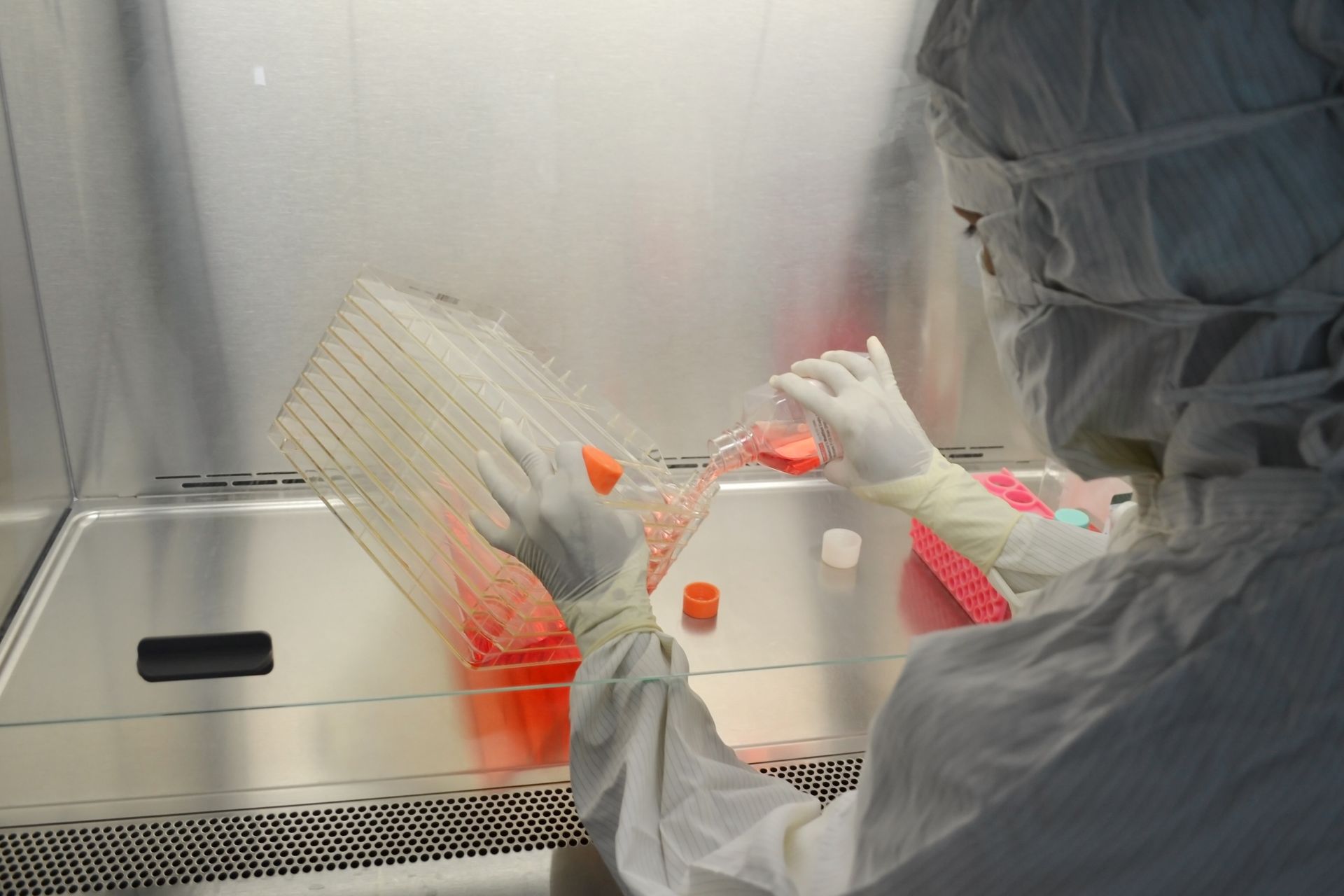
What is AATD, and why are biotech firms racing to cure a genetic disease few have heard of
Alpha-1 antitrypsin deficiency, or AATD, is an inherited condition that can damage both the lungs and the liver, and until recently it was widely seen as a lost cause. Advances in gene-editing technology have now turned it into a genuine biotech gold rush, complete with patent disputes, startup defections, and a growing US-China rivalry. Here is what AATD is, and why it suddenly matters.
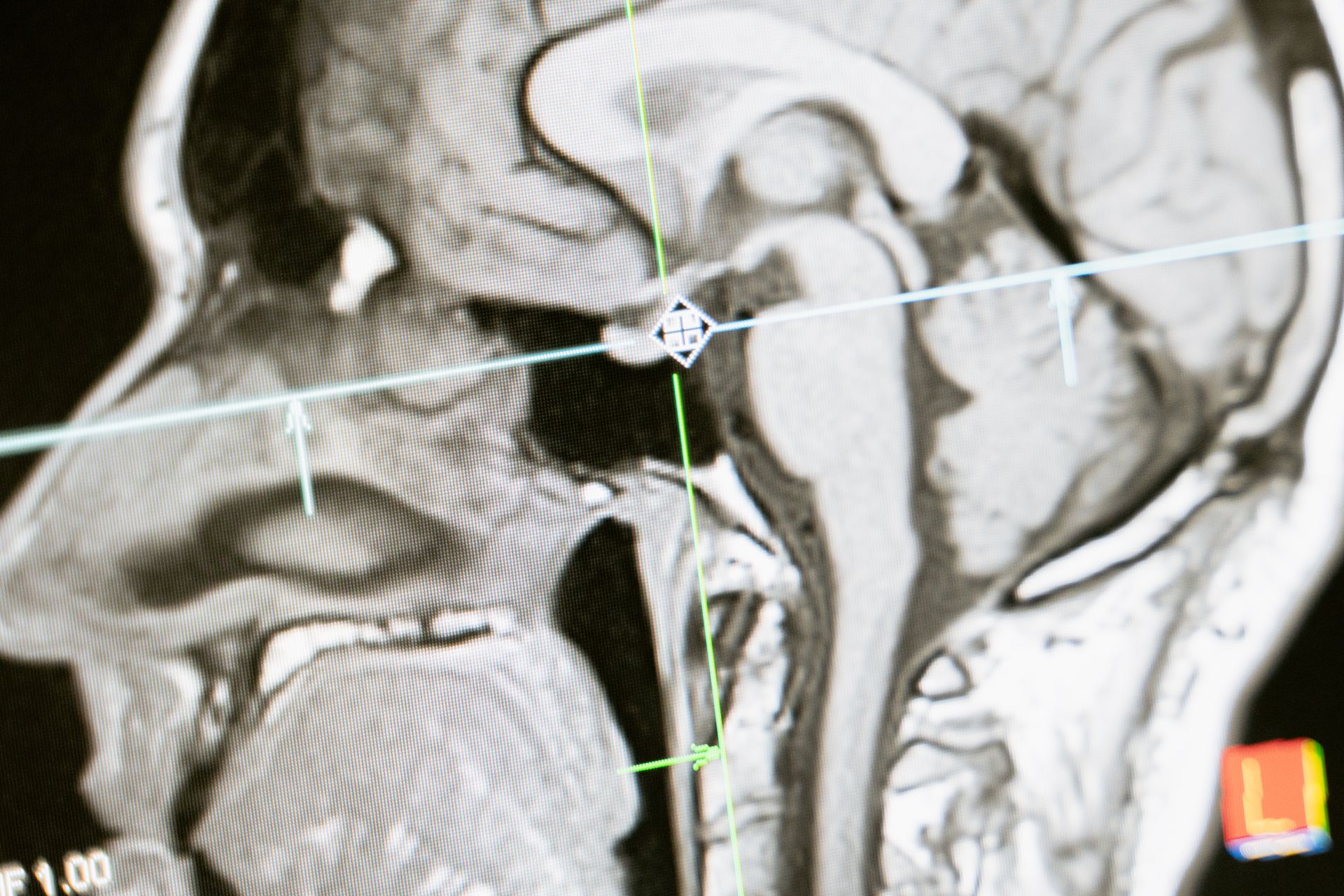
Alzheimer's treatment: why a new amyloid drug may carry a lower brain-swelling risk
Approved amyloid-clearing Alzheimer's drugs work, but they carry a side effect called ARIA — brain swelling and micro-bleeds visible on scans. An early-stage trial from ProMIS Neurosciences offers preliminary evidence that a molecule targeting toxic amyloid clusters more selectively could lower that risk. The results are still early, but researchers in the field call them encouraging.

Picky eating in children: what actually gets a fussy child to the table
Picky eating is one of the most common mealtime battles parents face, and it typically peaks between the ages of two and six. Paediatric dietitians say the fight is rarely won through pressure or bribery, but through repetition and low-pressure exposure. Here is what child-nutrition guidance says actually works.