What does a sauna session actually do to your immune system?

Sauna use is close to a national tradition in Finland, a country of roughly 5.5 million people that is estimated to have more than three million saunas. Despite that widespread use, scientific evidence on how saunas affect the immune system has remained relatively sparse and scattered — something researchers are now trying to fix.
A Finnish research team put participants through a single 30-minute sauna session followed by a brief cold shower, a classic component of the traditional Finnish sauna ritual. The researchers drew blood samples from participants before and after the session to measure the number and type of immune cells circulating in their bloodstream.
The results showed that even a single session produced a measurable effect: every type of white blood cell in the blood increased. That included a broad range of immune cells, among them infection-fighting cells such as neutrophils and lymphocytes — meaning the effect was not confined to a single cell type but amounted to a systemic response.
That kind of increase is consistent with the body's well-documented response to acute stress. Exposure to intense heat, followed by a sudden drop in temperature, briefly puts the body into a kind of alarm state, which triggers the rapid release of immune cells from storage sites such as the bone marrow and spleen into the bloodstream.
The researchers stress that this increase is not permanent — the findings point to the immune system being temporarily "triggered," not durably "strengthened." White blood cell counts are expected to return to baseline within hours of the session, so it is too early to conclude that a single sauna session provides lasting protection against illness.
Still, the findings align with earlier observational studies on the possible long-term benefits of regular sauna use. Several large-scale Finnish cohort studies have suggested that frequent sauna users have a lower risk of cardiovascular disease and respiratory infections, though those studies showed association rather than causation.
The new research offers a possible biological mechanism for that association: if each sauna session produces a temporary spike in immune cells, regularly repeated sessions could, over time, train the immune system's overall capacity to respond — much as regular exercise strengthens the cardiovascular system over time.
The role of the cold shower also caught the researchers' interest. It is not yet clear whether the hot-cold contrast amplifies the immune response compared with heat exposure alone; the researchers plan to test the two components separately.
Experts say the practical takeaway from the findings is that sauna use is harmless and remains a safe relaxation tool for most healthy adults. People with heart conditions or particular sensitivity to extreme heat, however, are advised to consult a doctor, especially before adding the cold-shower component.
The research team acknowledges the findings need to be confirmed in larger, longer-running studies, but the fact that even a single session triggers a measurable immune response suggests there may be a concrete biological basis behind the sauna's centuries-long popularity.
Read next

Why does the same DNA damage cause cancer in some people, but not others?
Two people can be exposed to the same chemical and end up with identical DNA damage in their cells, yet only one of them develops cancer. A controlled mouse study has provided direct evidence that inherited genetics steers whether — and how — cancer emerges once that damage has occurred. The discovery could eventually help doctors predict cancer risk and personalise screening.

High-THC medicinal cannabis: why prescribed doses often run far above what trials have tested
THC is the main psychoactive compound in cannabis, and as the medicinal cannabis market has expanded rapidly, doctors are increasingly prescribing products with far higher concentrations than those tested in clinical trials. A review by researchers at Australia's Monash University found that of more than 1,000 available products, only two have been evaluated by the drug regulator. Here is what is known about high-dose THC risk, and why the gap matters.
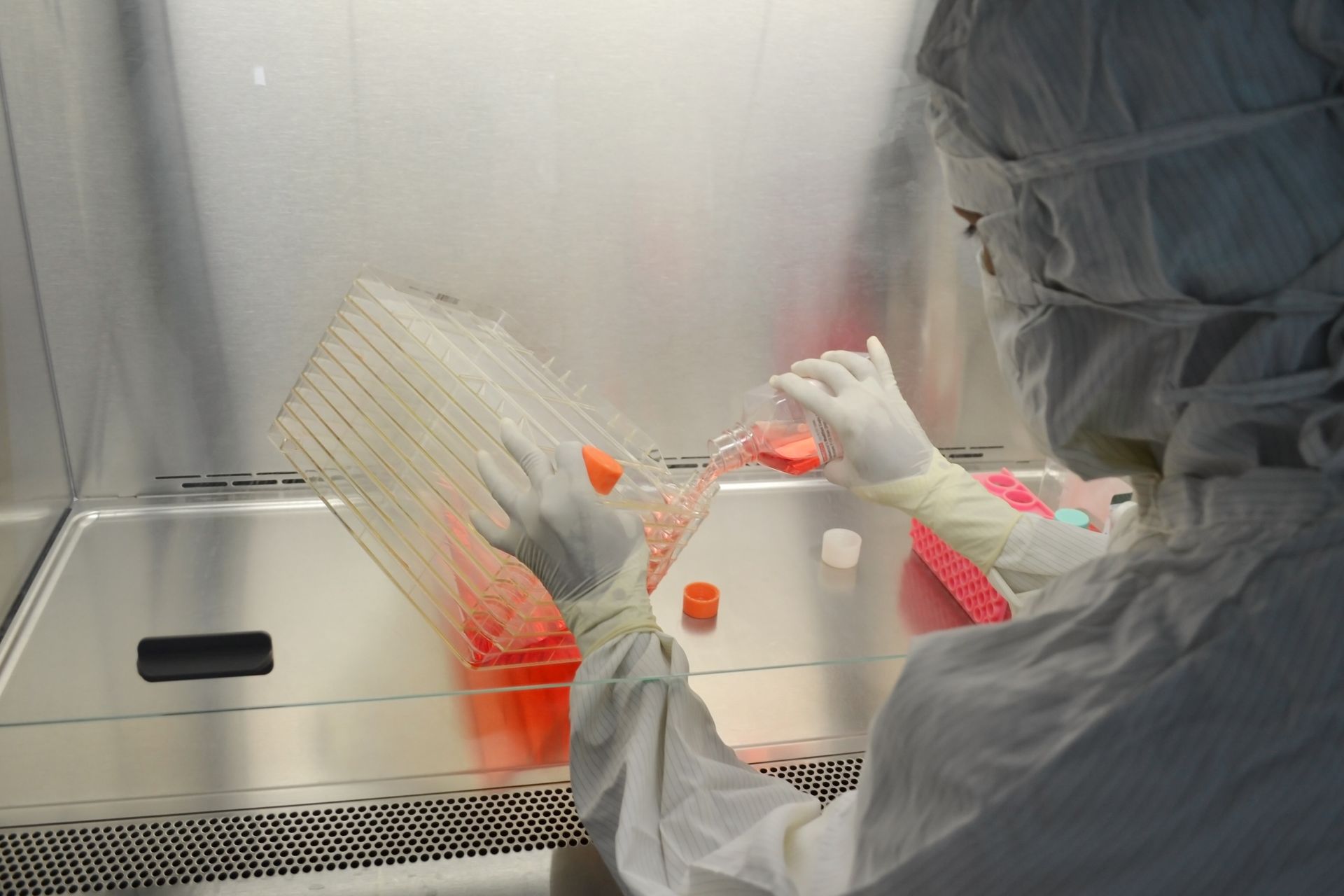
What is AATD, and why are biotech firms racing to cure a genetic disease few have heard of
Alpha-1 antitrypsin deficiency, or AATD, is an inherited condition that can damage both the lungs and the liver, and until recently it was widely seen as a lost cause. Advances in gene-editing technology have now turned it into a genuine biotech gold rush, complete with patent disputes, startup defections, and a growing US-China rivalry. Here is what AATD is, and why it suddenly matters.
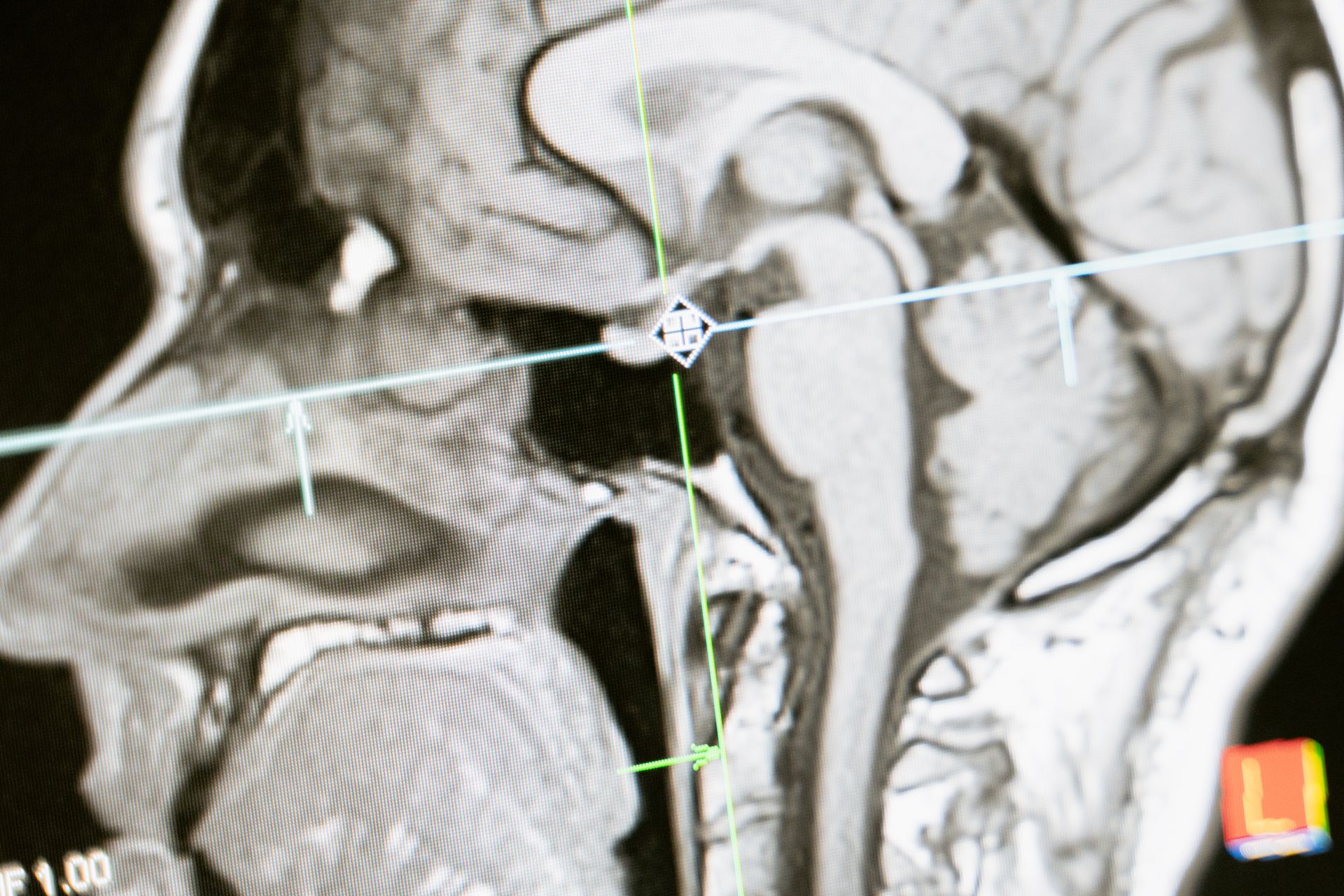
Alzheimer's treatment: why a new amyloid drug may carry a lower brain-swelling risk
Approved amyloid-clearing Alzheimer's drugs work, but they carry a side effect called ARIA — brain swelling and micro-bleeds visible on scans. An early-stage trial from ProMIS Neurosciences offers preliminary evidence that a molecule targeting toxic amyloid clusters more selectively could lower that risk. The results are still early, but researchers in the field call them encouraging.

Picky eating in children: what actually gets a fussy child to the table
Picky eating is one of the most common mealtime battles parents face, and it typically peaks between the ages of two and six. Paediatric dietitians say the fight is rarely won through pressure or bribery, but through repetition and low-pressure exposure. Here is what child-nutrition guidance says actually works.