What is AATD, and why are biotech firms racing to cure a genetic disease few have heard of
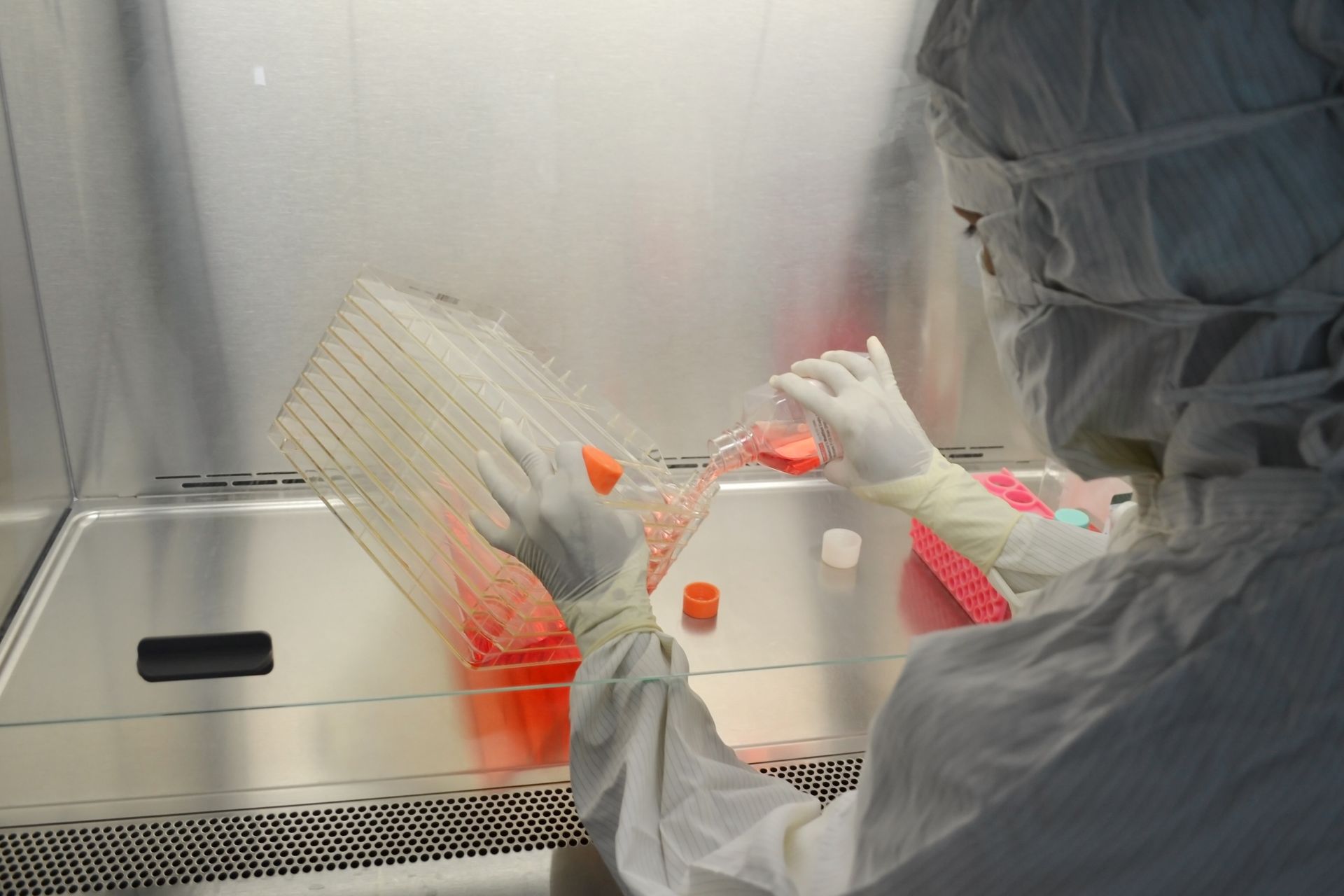
Alpha-1 antitrypsin deficiency is an inherited disorder caused by a genetic flaw that leaves the body unable to produce enough of a protective protein made in the liver — alpha-1 antitrypsin — or causes that protein to fold incorrectly. The shortage of the protein can lead to early-onset emphysema in the lungs, while the misfolded protein molecules build up in the liver, causing damage that can progress to cirrhosis. A single genetic flaw targeting two separate organs at once is part of what makes the disease especially difficult to treat.
The condition is considered rare but is estimated to affect hundreds of thousands of people worldwide, and most cases go undiagnosed because the symptoms are easily mistaken for asthma or chronic obstructive pulmonary disease (COPD). The current standard of care amounts to regular infusions of alpha-1 antitrypsin protein purified from donated blood — a lifelong approach that eases symptoms without addressing the underlying genetic cause.
The maturation of CRISPR-based gene-editing technologies over the past few years has transformed the field. Researchers are now developing experimental treatments designed to either directly correct the faulty gene in liver cells or silence it entirely while inserting instructions for a healthy version of the protein — an approach that could turn the disease from a manageable condition into a potentially permanent fix.
That scientific shift has ignited a race across the biotech sector. AATD, once viewed as a lost cause, has become an attractive target for major drugmakers and gene-therapy startups alike, since a successful treatment would both address a serious unmet medical need and demonstrate that gene-editing platforms can work more broadly against liver disease.
The race has brought disputes of its own, as one might expect. Rival companies have filed patent suits over which gene-editing approach was used first, and some senior researchers have left one company to pursue a similar programme at a competing startup, triggering arbitration proceedings over damages.
Another dimension of the competition is geographic. China-based biotech companies are moving their own gene-editing candidates into clinical trials at a rapid pace, and some US investors and researchers have questioned how that speed is being achieved without compromising regulatory oversight. US-based companies, meanwhile, are under pressure to accelerate their own progress while protecting their intellectual property.
Early clinical data remain limited, but some experimental gene therapies have shown measurable improvements in both protective-protein levels and markers of liver damage in patients. The results are not yet sufficient for approval, but researchers in the field regard them as concrete evidence that a gene therapy could genuinely reverse a serious organ disease.
For patients, the most tangible payoff of this race could go beyond hope. People with AATD have long lived in a world where the only option was lifelong infusion therapy; a successful gene therapy could remove the burden that infusions impose while also halting the disease's progression in the liver — something infusion treatment has never been able to do.
Still, experts stress cautious optimism. The long-term safety of gene-editing therapies has not yet been sufficiently tested, and it remains unknown whether a one-time intervention could produce unexpected effects in the liver over time; regulators are accordingly moving through the approval process with unusual care.
Whatever the outcome of the AATD race, researchers in the field see it as a sign of a broader trend: rare, single-gene diseases are becoming an increasingly attractive proving ground for gene-editing technologies to demonstrate their clinical maturity — and AATD is one of the most closely watched examples of that test currently under way.
Read next

Why does the same DNA damage cause cancer in some people, but not others?
Two people can be exposed to the same chemical and end up with identical DNA damage in their cells, yet only one of them develops cancer. A controlled mouse study has provided direct evidence that inherited genetics steers whether — and how — cancer emerges once that damage has occurred. The discovery could eventually help doctors predict cancer risk and personalise screening.

What does a sauna session actually do to your immune system?
The sauna has been a health ritual in Nordic culture for centuries, but science is only now mapping exactly what it changes in the body. Finnish researchers found that a single 30-minute sauna session, followed by a cold shower, raised the levels of every type of white blood cell circulating in participants' bloodstream. Here is what a single sauna session actually does to the immune system.

High-THC medicinal cannabis: why prescribed doses often run far above what trials have tested
THC is the main psychoactive compound in cannabis, and as the medicinal cannabis market has expanded rapidly, doctors are increasingly prescribing products with far higher concentrations than those tested in clinical trials. A review by researchers at Australia's Monash University found that of more than 1,000 available products, only two have been evaluated by the drug regulator. Here is what is known about high-dose THC risk, and why the gap matters.
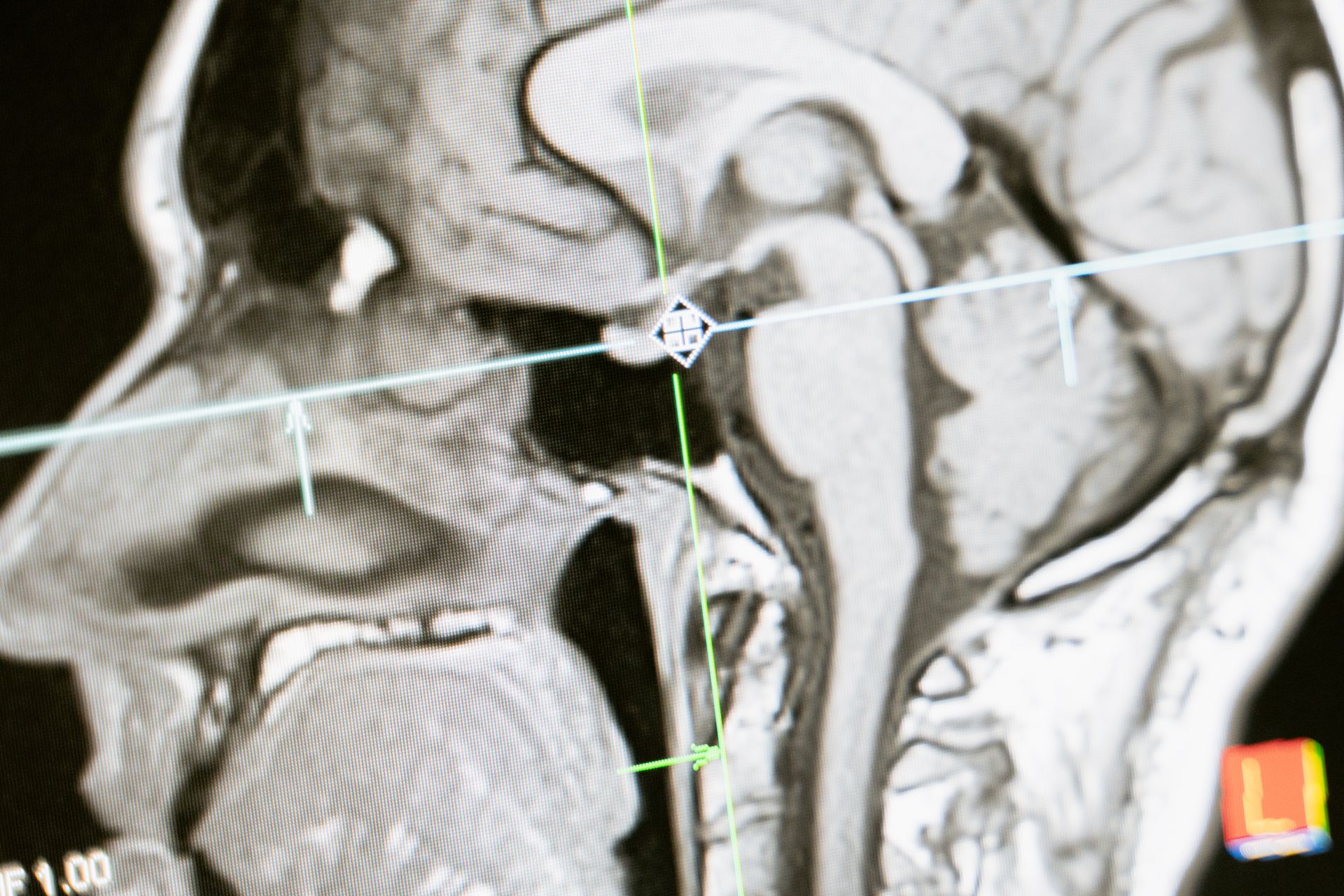
Alzheimer's treatment: why a new amyloid drug may carry a lower brain-swelling risk
Approved amyloid-clearing Alzheimer's drugs work, but they carry a side effect called ARIA — brain swelling and micro-bleeds visible on scans. An early-stage trial from ProMIS Neurosciences offers preliminary evidence that a molecule targeting toxic amyloid clusters more selectively could lower that risk. The results are still early, but researchers in the field call them encouraging.

Picky eating in children: what actually gets a fussy child to the table
Picky eating is one of the most common mealtime battles parents face, and it typically peaks between the ages of two and six. Paediatric dietitians say the fight is rarely won through pressure or bribery, but through repetition and low-pressure exposure. Here is what child-nutrition guidance says actually works.