What is ARPA-H's $160 million push to build custom gene-editing drugs

ARPA-H, the US government's advanced health research agency, has officially launched a $160 million program aimed at developing custom gene-editing treatments for rare genetic diseases. Under the initiative, sizable grants will be distributed to seven research laboratories, each focused on developing treatments tailored to a single patient or a very small group of patients.
Such "n-of-1" treatments require a fundamentally different approach from traditional drug development. While standard medications are designed for broad patient populations, the projects ARPA-H is funding aim to produce a treatment specific to the unique genetic mutation carried by a single patient. This approach holds promise for extremely rare conditions that commercial drugmakers typically have little incentive to pursue.
The program's origins date back several years, but its launch was delayed by a change in administrations. According to STAT News, the project was put on hold for a period during a review of shifting administrative priorities before being re-evaluated and approved for funding. That delay cost some researchers additional time in advancing their projects.
Experts say one of the biggest challenges facing custom gene-editing treatments is that the regulatory approval process is not yet fully standardised for this kind of therapy. Because each treatment is technically unique, regulators must evaluate every case individually, making the process both time-consuming and costly.
The funded laboratories include a mix of academic research centres and groups working in partnership with biotechnology companies. That diversity reflects the program's aim of supporting both basic science research and work closer to clinical application.
Researchers note that these personalised treatments typically rely on CRISPR-based gene-editing technology. This technology targets a specific error in a patient's DNA to correct it, but because each patient's mutation differs, the treatment itself must be redesigned for that particular mutation each time.
Supporters of the program say this approach could open a long-awaited door of hope for families living with rare diseases. Thousands of rare genetic conditions currently have no medical solution, and most are overlooked by drug companies because too few patients are affected to justify commercial development.
Some experts, however, are cautious about cost. Because each treatment is developed specifically for one patient, production costs are expected to be far higher than for conventional drugs, raising questions about how health systems will cover them.
ARPA-H officials hope that data gathered as the program progresses will help standardise the process for developing personalised treatments. The goal is to build a framework in which similar treatments could be developed faster and at lower cost in the future.
Experts say that if the initiative succeeds, it could establish a new model for treating rare diseases and serve as an example for similar research agencies around the world.
Read next

A bacterium from frog guts wiped out tumors in mice with a single dose
A naturally occurring bacterium isolated from amphibian intestines completely eliminated colorectal tumors in mice with a single treatment, attacking cancer cells directly while also activating the immune system. According to Science Daily Health, the findings point to a promising new type of cancer therapy that could one day work against many solid tumors.

The Ozempic and Wegovy dosing mistake sending thousands of calls to poison control
Poison control calls involving semaglutide drugs Ozempic and Wegovy have surged since the medication was approved for weight management, with researchers linking the rise to accidental dosing mistakes rather than intentional misuse. According to Science Daily Health, simple education about proper dosing could prevent many of these avoidable incidents.

Why the Ebola outbreak in the DRC is spreading faster than any before it
An Ebola outbreak that began in the Democratic Republic of the Congo has become one of the fastest-spreading on record, according to government data, and has now reached neighbouring Uganda. Guardian Health reports that conflict, aid cuts and attacks on health workers are undermining the response.
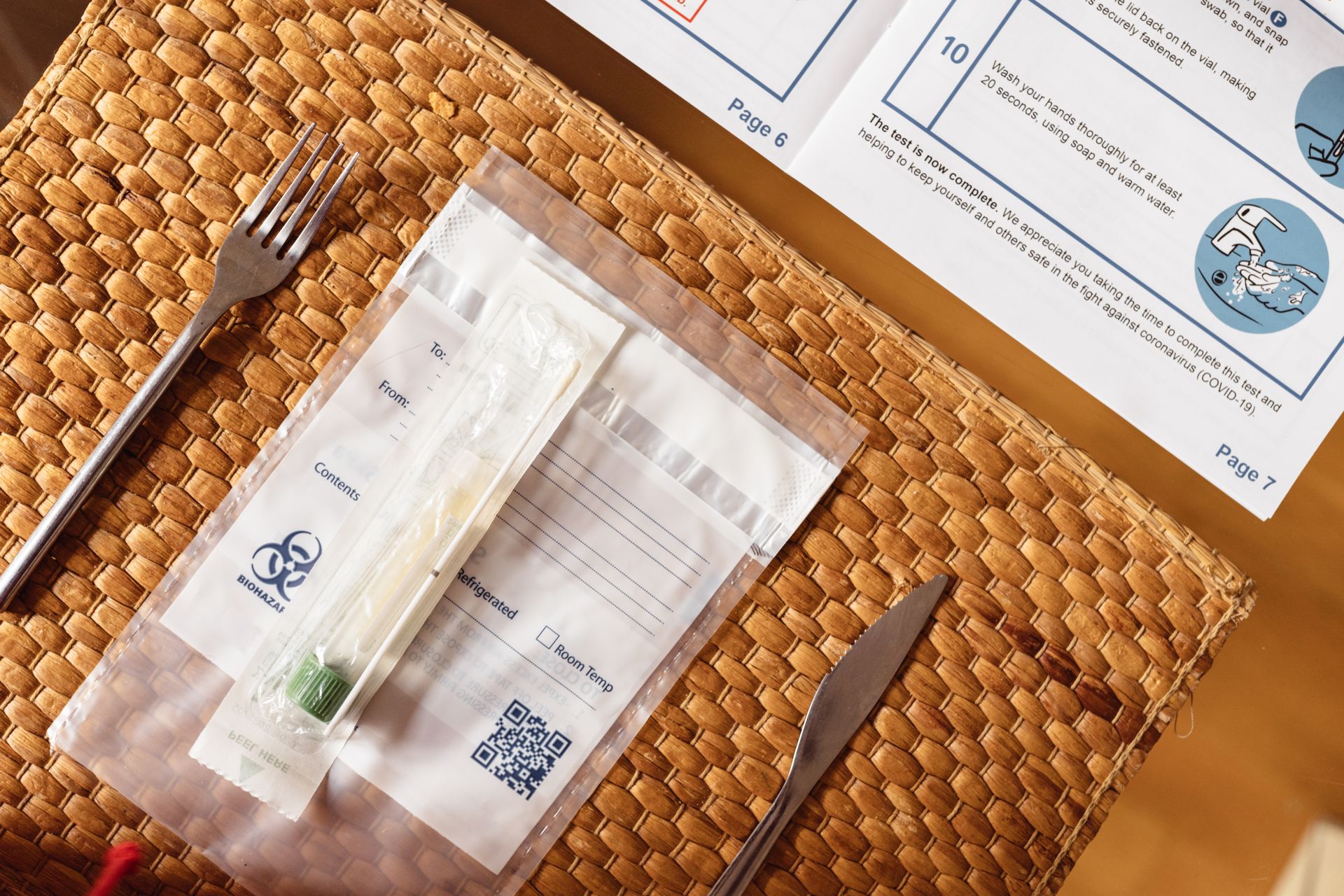
Bowel cancer screening in your 50s: why it matters and how it works
Health officials are urging people in their 50s to complete free at-home bowel cancer screening kits, warning that little over half of 54-year-olds currently finish the test. According to BBC Health, here is how the screening works and why catching the disease early makes such a large difference.

Measles resurgence: why a country that nearly beat it now has 120,000 cases
Bangladesh has reported roughly 120,000 measles cases and hundreds of child deaths, years after being praised for major progress against the disease. According to BBC Health, overwhelmed hospitals and gaps in routine vaccination coverage are driving one of the country's worst outbreaks in decades.