Measles resurgence: why a country that nearly beat it now has 120,000 cases
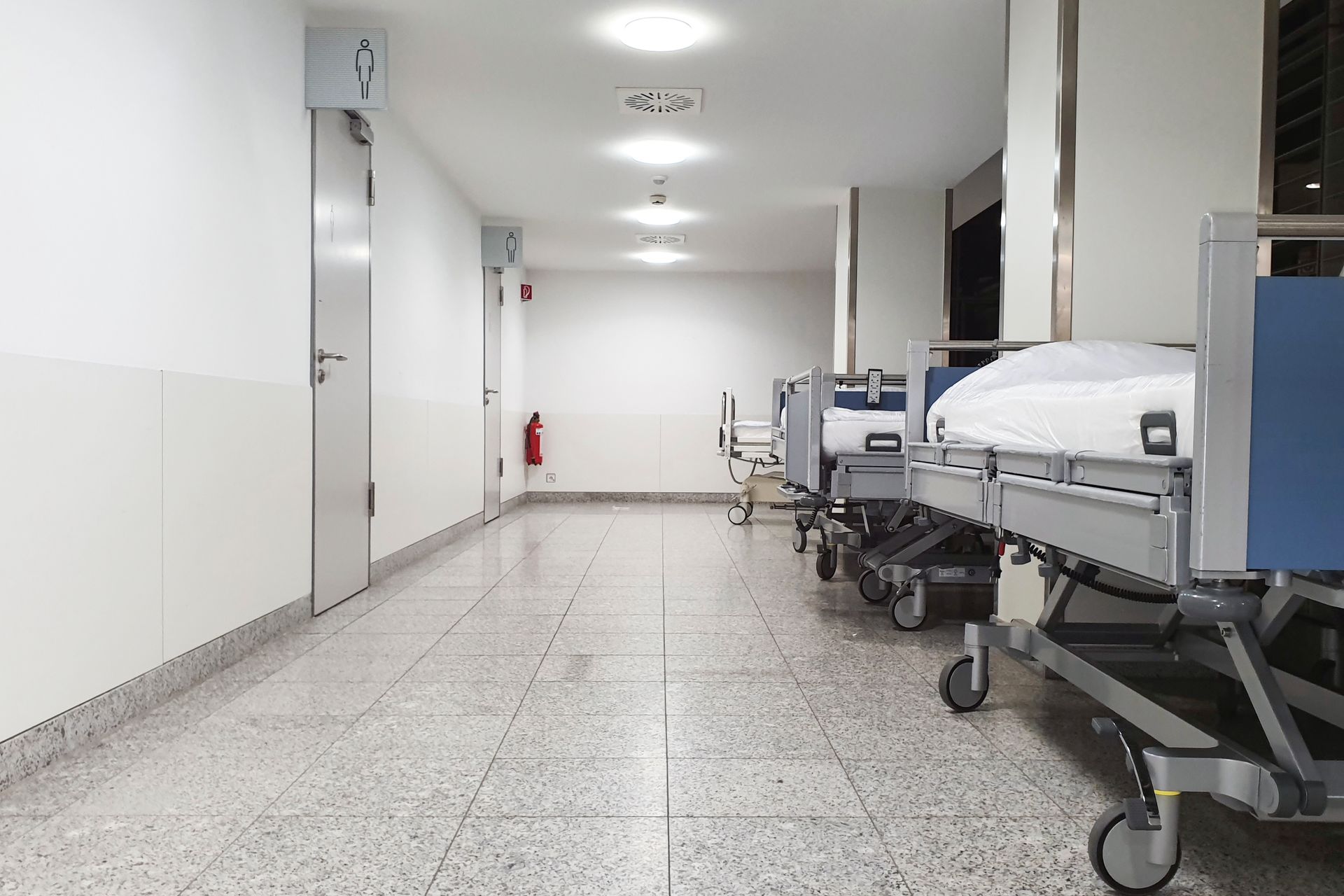
Bangladesh was once held up as a model for controlling measles, praised by global health bodies for driving vaccination coverage to record highs. Now the country is facing one of its worst outbreaks in decades, with health officials reporting close to 120,000 cases and hundreds of child deaths in recent months. Hospitals in Dhaka and provincial towns are overwhelmed, with sick children treated on floor mats in overcrowded corridors.
Experts say the reversal would have seemed unthinkable a decade ago. In the mid-2010s, Bangladesh pushed two-dose measles vaccine coverage above 90%, a figure that earned recognition from the World Health Organization. But disruptions to routine immunisation during the pandemic years, a shortage of rural health workers, and a more recent rise in vaccine hesitancy have gradually eroded that coverage. Health ministry data shows second-dose vaccination rates have fallen below 70% in some districts.
Measles is among the most contagious diseases known, capable of spreading through droplets that can linger in the air of an enclosed room for hours after an infected person coughs or sneezes. As community immunity has weakened, the virus has found ample opportunity to spread rapidly among unvaccinated children. According to BBC observations inside hospital wards, the most severe cases are concentrated among infants under two.
Hospital staff carrying the weight of the outbreak describe exhaustion and shortages. One nurse told the BBC her ward has had to treat dozens of feverish, rash-covered children in a single shift, with oxygen supplies coming close to running out on some days. Complications including pneumonia and brain inflammation are among the leading causes of death, with these secondary infections often proving as dangerous as measles itself.
Health officials have launched emergency vaccination drives to try to halt the spread. Mobile teams are going door to door in remote villages, and temporary vaccination points have been set up in schools and marketplaces. But officials acknowledge that rebuilding lost trust is harder than securing vaccine supply. Some parents, influenced by misinformation circulating on social media, remain reluctant to have their children immunised.
International health bodies are treating the situation in Bangladesh as a global warning sign. Measles cases have been climbing worldwide over the past few years, a trend not confined to lower-income countries — similar risks are emerging anywhere vaccination coverage has slipped. Experts describe measles as a bellwether disease, often the first to reappear when cracks form in a population's immunisation system.
The speed of the outbreak is also straining health systems more broadly. Some regional hospitals in Bangladesh say the surge in measles cases has left them with little spare capacity for other emergencies. Doctors say the outbreak amounts to more than a public health crisis — it is a stress test of the health system's resilience.
Another factor behind the spread is migration and population movement. A wave of internal migration toward cities has concentrated crowded, under-vaccinated populations in informal settlements, creating favourable conditions for the virus to spread. Health workers say maintaining consistent vaccination follow-up in these areas is logistically difficult.
Experts warn that a similar reversal could occur elsewhere. Although the measles vaccine is highly effective, sustaining herd immunity requires coverage to stay consistently above roughly 95% — once it falls below that threshold, outbreaks become close to inevitable. Bangladesh's experience illustrates just how fragile that threshold can be.
Officials are hoping additional vaccination rounds in the coming months will slow the outbreak. But health workers stress that a lasting solution will require more than emergency response — it will take a sustained effort to rebuild public trust in routine immunisation.
Read next

A bacterium from frog guts wiped out tumors in mice with a single dose
A naturally occurring bacterium isolated from amphibian intestines completely eliminated colorectal tumors in mice with a single treatment, attacking cancer cells directly while also activating the immune system. According to Science Daily Health, the findings point to a promising new type of cancer therapy that could one day work against many solid tumors.

What is ARPA-H's $160 million push to build custom gene-editing drugs
ARPA-H, the US advanced health research agency, is distributing sizable grants to seven labs to jump-start custom gene-editing treatments for rare diseases. According to STAT News, the program had been delayed by a change in administrations and is now finally getting under way.

The Ozempic and Wegovy dosing mistake sending thousands of calls to poison control
Poison control calls involving semaglutide drugs Ozempic and Wegovy have surged since the medication was approved for weight management, with researchers linking the rise to accidental dosing mistakes rather than intentional misuse. According to Science Daily Health, simple education about proper dosing could prevent many of these avoidable incidents.

Why the Ebola outbreak in the DRC is spreading faster than any before it
An Ebola outbreak that began in the Democratic Republic of the Congo has become one of the fastest-spreading on record, according to government data, and has now reached neighbouring Uganda. Guardian Health reports that conflict, aid cuts and attacks on health workers are undermining the response.
Bowel cancer screening in your 50s: why it matters and how it works
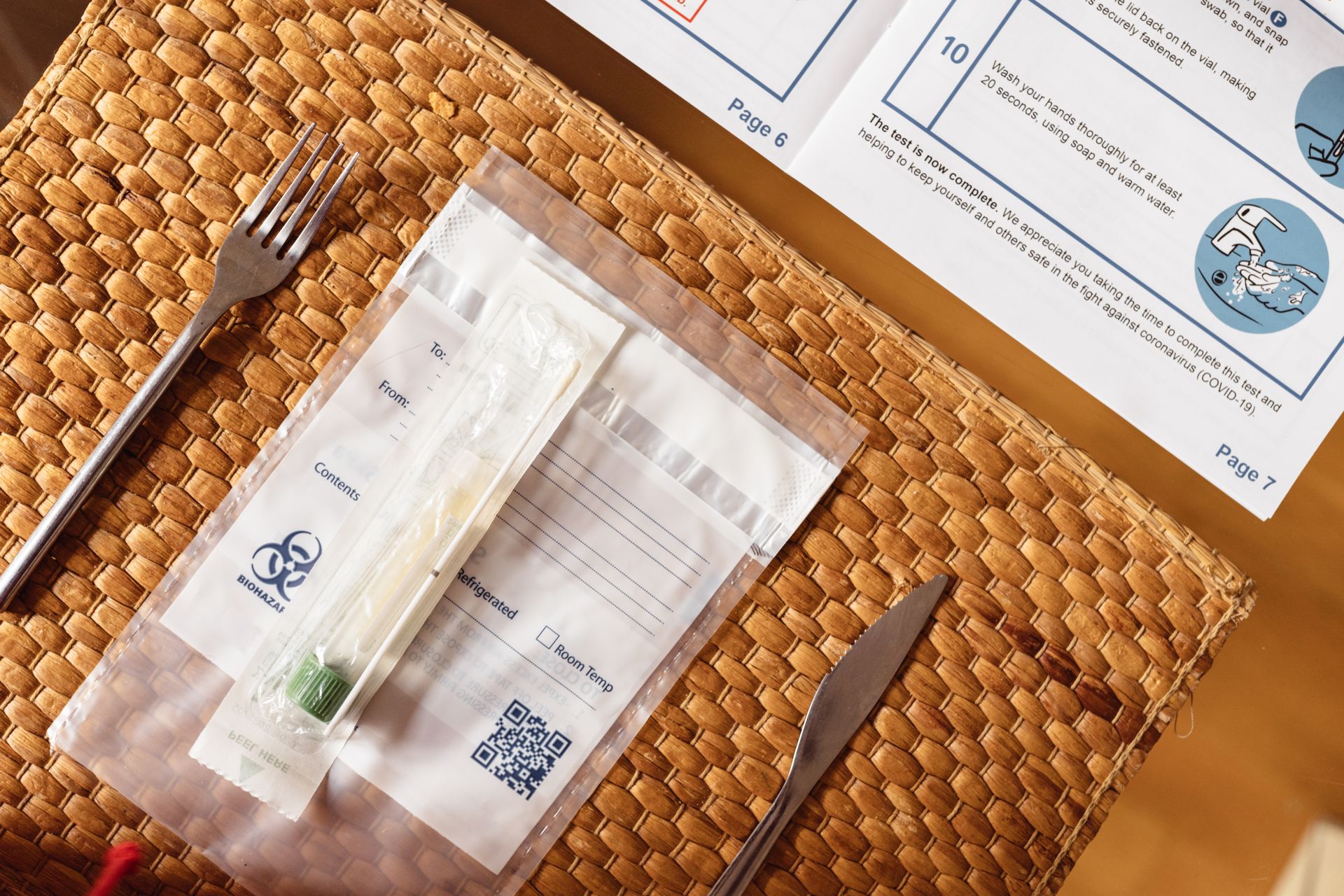
Health officials are urging people in their 50s to complete free at-home bowel cancer screening kits, warning that little over half of 54-year-olds currently finish the test. According to BBC Health, here is how the screening works and why catching the disease early makes such a large difference.