Bowel cancer screening in your 50s: why it matters and how it works
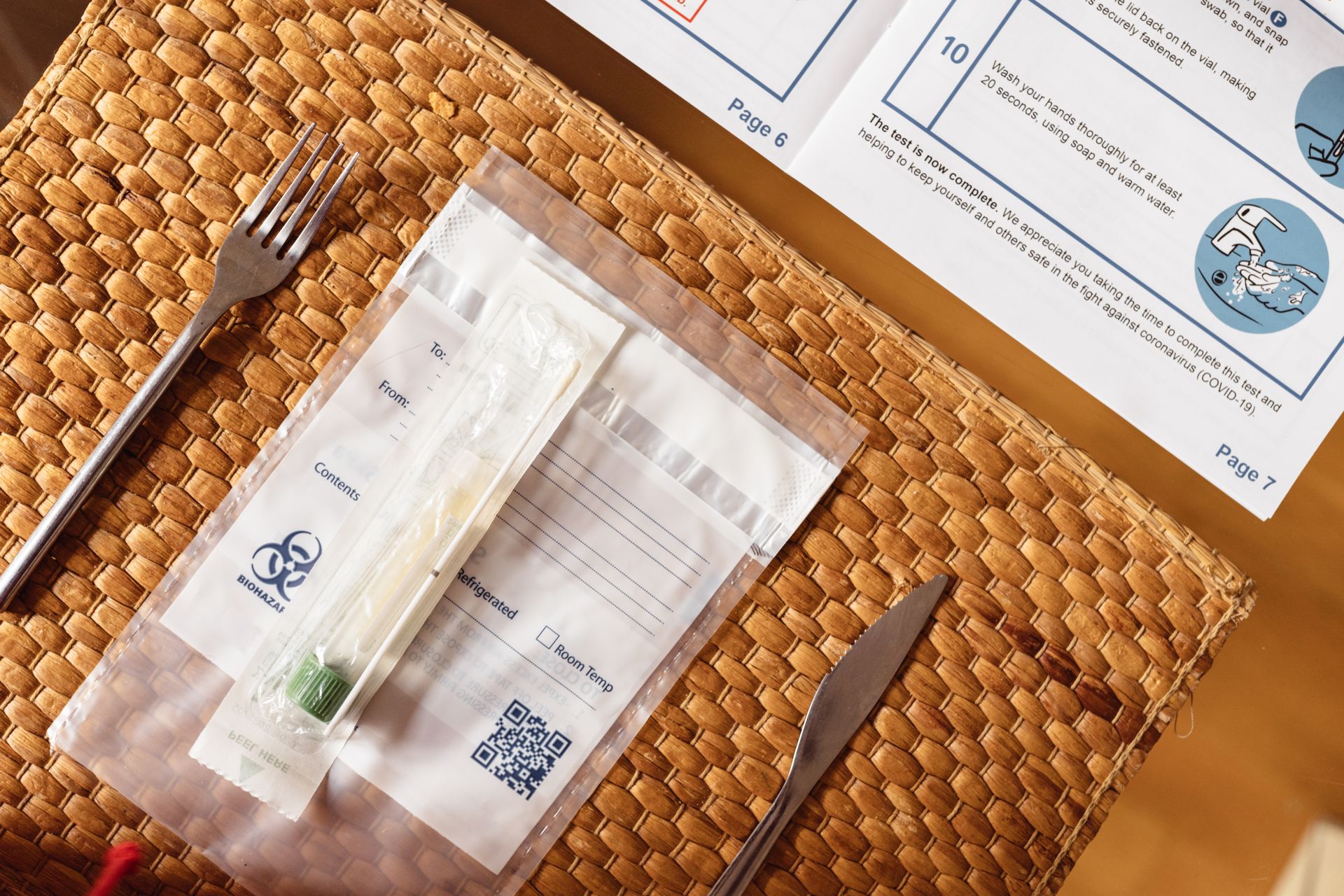
Health officials have issued a fresh call for adults in their 50s to complete bowel cancer screening, warning that completion rates are falling short of expectations. Figures show that little over half of 54-year-olds finish the free at-home test kit mailed to them, meaning a large share of a potentially life-saving screening tool is going unused.
The test, known medically as a faecal immunochemical test (FIT), can be done entirely at home. Participants collect a small stool sample and post it to a laboratory in a provided container. The test detects tiny amounts of blood in the stool that are not visible to the naked eye — blood that can sometimes be an early sign of polyps or early-stage cancer.
Bowel cancer is among the most common cancers worldwide, and outcomes improve significantly when it is caught early. Experts say the disease often develops slowly and without symptoms, making regular screening a far more effective strategy than waiting for warning signs to appear. In many cases, polyps can be detected and removed before they ever turn cancerous.
Health officials say the low uptake has several causes. Some people feel uncomfortable with the idea of collecting a stool sample, others simply miss the kit arriving in the post or mistake it for other mail, and some assume the test is unnecessary because they have no symptoms.
Experts stress that much of this hesitation is unwarranted given how simple the process actually is. The test takes only a few minutes and requires no medical procedure or hospital visit. Guidelines note it was deliberately designed to be completed privately and comfortably at home.
The benefits of early detection are backed by clear statistics. When bowel cancer is caught at its earliest stage, five-year survival rates can exceed 90%, but that figure drops sharply when the disease is diagnosed later. That gap is why screening programmes are considered so important by public health bodies.
Health officials are trying several approaches to boost participation, including reminder letters, text message nudges and community health campaigns. In some areas, family doctors are raising awareness of the test with patients during routine check-ups.
Experts also note that people with a family history of bowel cancer should pay particular attention to screening. Genetic predisposition can significantly raise a person's risk, and such individuals are sometimes advised to begin screening earlier or more frequently than the general population.
A positive test result does not automatically mean a cancer diagnosis — patients are referred for a more detailed colonoscopy to investigate further. Officials acknowledge this extra step can cause anxiety, but stress that much of the process exists simply to clarify harmless polyp findings.
Ultimately, health authorities recommend completing the test as soon as it arrives rather than putting it off. Officials note that a process taking only a few minutes can potentially head off a far more serious diagnosis down the line.
Read next

A bacterium from frog guts wiped out tumors in mice with a single dose
A naturally occurring bacterium isolated from amphibian intestines completely eliminated colorectal tumors in mice with a single treatment, attacking cancer cells directly while also activating the immune system. According to Science Daily Health, the findings point to a promising new type of cancer therapy that could one day work against many solid tumors.

What is ARPA-H's $160 million push to build custom gene-editing drugs
ARPA-H, the US advanced health research agency, is distributing sizable grants to seven labs to jump-start custom gene-editing treatments for rare diseases. According to STAT News, the program had been delayed by a change in administrations and is now finally getting under way.

The Ozempic and Wegovy dosing mistake sending thousands of calls to poison control
Poison control calls involving semaglutide drugs Ozempic and Wegovy have surged since the medication was approved for weight management, with researchers linking the rise to accidental dosing mistakes rather than intentional misuse. According to Science Daily Health, simple education about proper dosing could prevent many of these avoidable incidents.

Why the Ebola outbreak in the DRC is spreading faster than any before it
An Ebola outbreak that began in the Democratic Republic of the Congo has become one of the fastest-spreading on record, according to government data, and has now reached neighbouring Uganda. Guardian Health reports that conflict, aid cuts and attacks on health workers are undermining the response.

Measles resurgence: why a country that nearly beat it now has 120,000 cases
Bangladesh has reported roughly 120,000 measles cases and hundreds of child deaths, years after being praised for major progress against the disease. According to BBC Health, overwhelmed hospitals and gaps in routine vaccination coverage are driving one of the country's worst outbreaks in decades.