A bacterium from frog guts wiped out tumors in mice with a single dose

Scientists have reported that a naturally occurring bacterium isolated from amphibian intestines completely eliminated colorectal tumors in mice with a single treatment. According to the research, the bacterium attacks cancer cells directly while also activating the immune system, producing a dual-action mechanism.
Researchers discovered this property while examining the gut microbiome of several amphibian species. In nature, such bacteria may have evolved as a natural defence against pathogens that damage the host animal's digestive system, but the research team found that the same properties could also work against cancer cells.
In experiments, the bacterium was applied directly to the tumor site. Within a short period, researchers observed that tumor tissue shrank substantially, and in many cases disappeared entirely. Researchers stress that achieving this result after a single dose is particularly notable, since most experimental cancer treatments require repeated administration to achieve comparable results.
The bacterium's mechanism of action works in two ways. On one hand, it directly damages the cell membrane of cancer cells, destroying them; on the other, it stimulates the immune system so that the body's own defence cells target any remaining cancer cells. Researchers say this dual effect is the key factor driving the treatment's effectiveness.
Scientists believe the finding may not be limited to colorectal cancer. Because the bacterium's mechanism targets specific surface features common to cancer cells, it is thought it could also work against other solid tumor types that share similar characteristics.
Researchers emphasise that, at this stage, the findings have only been obtained in mouse models, and whether the same effect will occur in humans remains unknown. Before moving to human studies, the bacterium's safety profile and possible side effects need to be examined in detail.
Experts note that using naturally occurring microorganisms in cancer treatment is not a new idea, but the level of effectiveness shown by this bacterium is rarely seen. In the past, some bacterial strains have been tested for tumor treatment, but they often produced only partial effects or serious side effects.
The research team is continuing work to standardise the bacterium's production and purification processes. This step is critical to ensuring the treatment can be manufactured consistently and safely before any move toward clinical trials.
Scientists say the finding could open a new avenue in cancer immunotherapy. For patients who do not respond to existing treatments in particular, biological agents with a different mechanism of action like this one are seen as a promising option.
Researchers plan to next test the bacterium's effectiveness against different tumor types and conduct more detailed laboratory studies on human cells. Translating the findings into human clinical trials could take years, but the team views these early results as a strong starting point.
Read next

What is ARPA-H's $160 million push to build custom gene-editing drugs
ARPA-H, the US advanced health research agency, is distributing sizable grants to seven labs to jump-start custom gene-editing treatments for rare diseases. According to STAT News, the program had been delayed by a change in administrations and is now finally getting under way.

The Ozempic and Wegovy dosing mistake sending thousands of calls to poison control
Poison control calls involving semaglutide drugs Ozempic and Wegovy have surged since the medication was approved for weight management, with researchers linking the rise to accidental dosing mistakes rather than intentional misuse. According to Science Daily Health, simple education about proper dosing could prevent many of these avoidable incidents.

Why the Ebola outbreak in the DRC is spreading faster than any before it
An Ebola outbreak that began in the Democratic Republic of the Congo has become one of the fastest-spreading on record, according to government data, and has now reached neighbouring Uganda. Guardian Health reports that conflict, aid cuts and attacks on health workers are undermining the response.
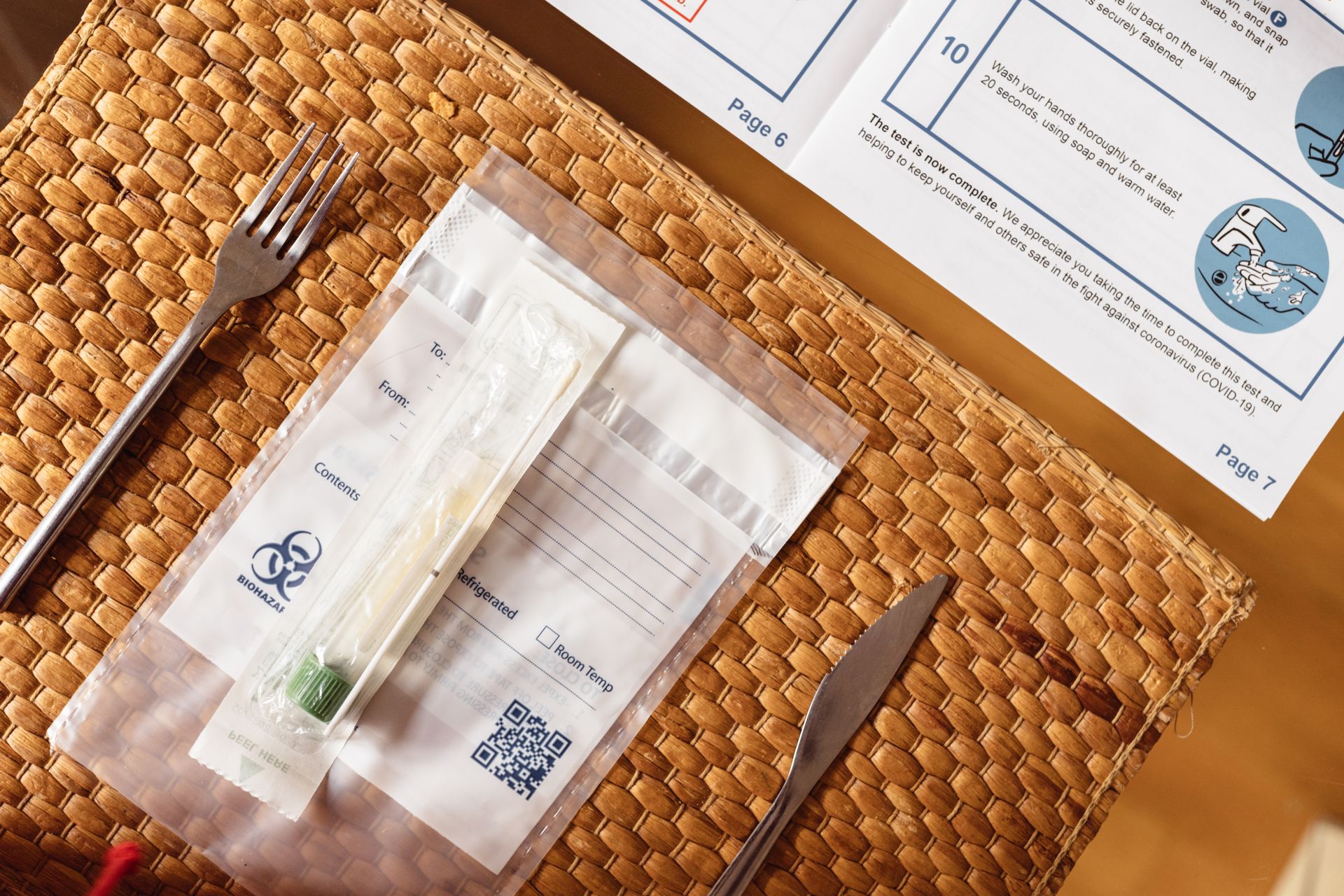
Bowel cancer screening in your 50s: why it matters and how it works
Health officials are urging people in their 50s to complete free at-home bowel cancer screening kits, warning that little over half of 54-year-olds currently finish the test. According to BBC Health, here is how the screening works and why catching the disease early makes such a large difference.

Measles resurgence: why a country that nearly beat it now has 120,000 cases
Bangladesh has reported roughly 120,000 measles cases and hundreds of child deaths, years after being praised for major progress against the disease. According to BBC Health, overwhelmed hospitals and gaps in routine vaccination coverage are driving one of the country's worst outbreaks in decades.