Why the Ebola outbreak in the DRC is spreading faster than any before it

An Ebola outbreak confirmed in one province of the Democratic Republic of the Congo has spread to far more of the country in under two months, and has already caused hundreds of deaths. According to government data as of 8 July, 1,759 cases and 600 deaths have been recorded, and the virus has also crossed the border into neighbouring Uganda, where 20 cases and two deaths have been confirmed.
Health experts say the speed of this outbreak's spread stands apart from previous Ebola epidemics. The disease typically emerges in isolated rural areas and advances relatively slowly, but this time it has reached a much wider geographic area in a far shorter period. Experts link this to the region's unstable security environment and gaps in response capacity.
Ongoing armed conflict in the region is making it significantly harder for health teams to reach affected communities. In some areas, vaccination and contact-tracing teams have been unable to enter for days at a time because of fighting, creating a gap in which the virus can spread unnoticed. Aid organisations say security risks are substantially restricting how field teams can operate.
Cuts to international aid budgets are another factor weakening the response. A recent reduction in humanitarian funding from several donor countries has left health organisations in the region struggling to secure staff and supplies. Aid groups say the funding squeeze is directly affecting how quickly the outbreak can be brought under control.
Misinformation is also shaping how the outbreak has unfolded. In some communities, rumours claim Ebola does not exist or that the disease is being spread deliberately, making it harder for people to trust health teams. Health workers and volunteers say this climate of distrust has at times led to physical attacks against them.
Attacks on health centres and treatment facilities are further complicating the response. In some areas, community members have targeted treatment centres out of misinformation or distrust, attacks that both endanger health workers' safety and disrupt patients' access to care.
Experts note that such attacks are not a new phenomenon, but their frequency has increased in this outbreak. Similar trust issues emerged during past Ebola epidemics, but the region's ongoing conflict is deepening the problem this time.
The spread into Uganda has put regional authorities on alert. Cross-border movement and busy trade routes raise the risk of the virus reaching further neighbouring countries. Ugandan health officials are setting up additional screening points along the border to try to prevent further spread.
International health organisations are calling for additional funding and security guarantees to bring the outbreak under control. Officials stress that ensuring field teams can operate safely under current conditions is a prerequisite for halting the outbreak's growth.
Experts say the outbreak also carries important lessons for how future crises should be prepared for. Once again, this case has shown that outbreak response in conflict zones is not purely a medical matter — it is also a question of security and community trust.
Read next

A bacterium from frog guts wiped out tumors in mice with a single dose
A naturally occurring bacterium isolated from amphibian intestines completely eliminated colorectal tumors in mice with a single treatment, attacking cancer cells directly while also activating the immune system. According to Science Daily Health, the findings point to a promising new type of cancer therapy that could one day work against many solid tumors.

What is ARPA-H's $160 million push to build custom gene-editing drugs
ARPA-H, the US advanced health research agency, is distributing sizable grants to seven labs to jump-start custom gene-editing treatments for rare diseases. According to STAT News, the program had been delayed by a change in administrations and is now finally getting under way.

The Ozempic and Wegovy dosing mistake sending thousands of calls to poison control
Poison control calls involving semaglutide drugs Ozempic and Wegovy have surged since the medication was approved for weight management, with researchers linking the rise to accidental dosing mistakes rather than intentional misuse. According to Science Daily Health, simple education about proper dosing could prevent many of these avoidable incidents.
Bowel cancer screening in your 50s: why it matters and how it works
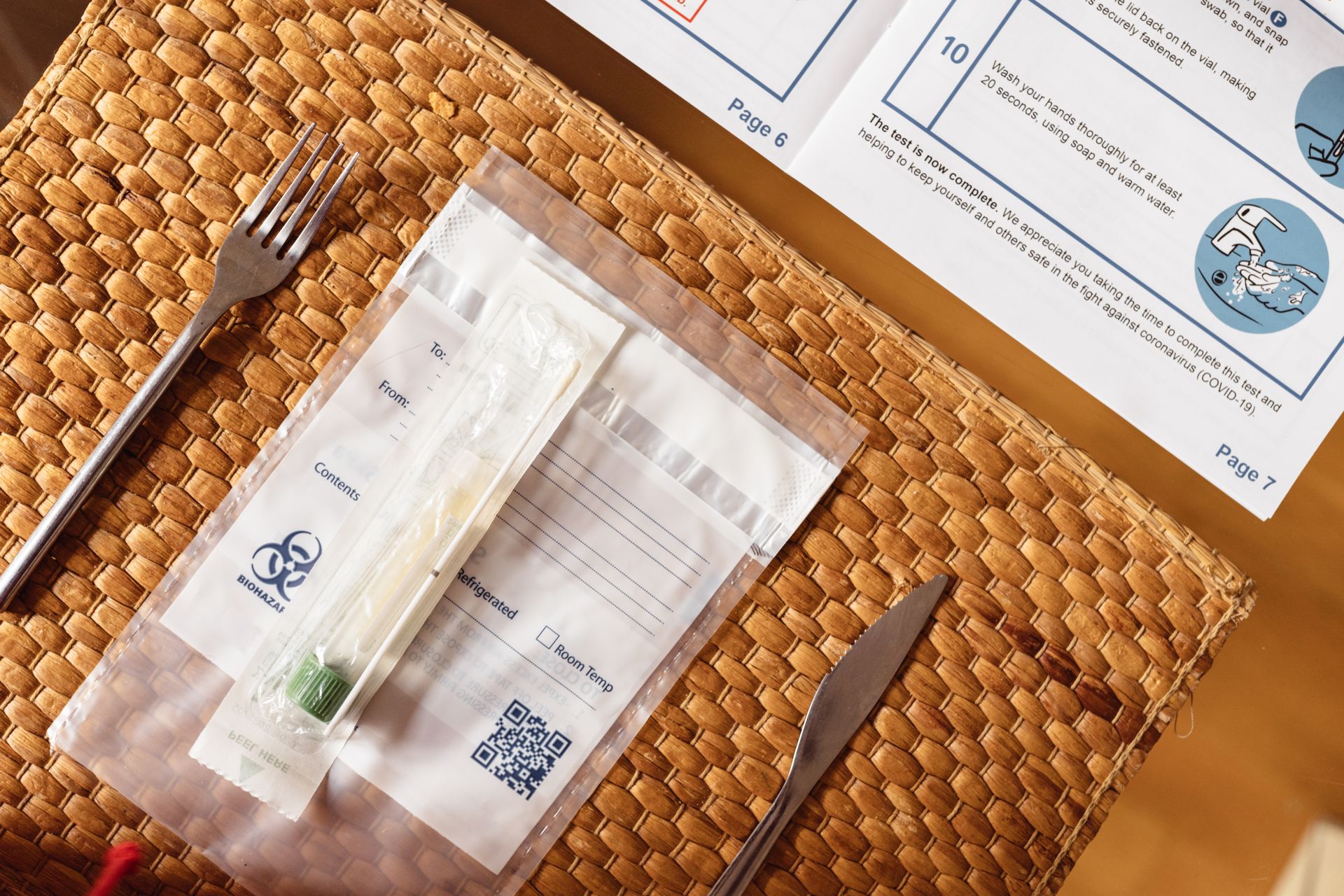
Health officials are urging people in their 50s to complete free at-home bowel cancer screening kits, warning that little over half of 54-year-olds currently finish the test. According to BBC Health, here is how the screening works and why catching the disease early makes such a large difference.

Measles resurgence: why a country that nearly beat it now has 120,000 cases
Bangladesh has reported roughly 120,000 measles cases and hundreds of child deaths, years after being praised for major progress against the disease. According to BBC Health, overwhelmed hospitals and gaps in routine vaccination coverage are driving one of the country's worst outbreaks in decades.