The Ozempic and Wegovy dosing mistake sending thousands of calls to poison control

As semaglutide drugs Ozempic and Wegovy have become widespread following their approval for weight management, poison control centres have seen a marked rise in calls related to the medications. Researchers have found that this increase is driven not by intentional misuse but largely by accidental dosing mistakes.
According to the research, the most common error involves patients misunderstanding the dose-escalation schedule. The drug requires a stepped weekly dosing schedule designed to minimise nausea and other side effects, but some users become confused about when to move up to the next dose level and inadvertently take a higher dose than intended.
Another frequent mistake involves incorrect use of the pen-style injector devices. Some patients misread the dose setting on the pen or reuse the same pen multiple times, unknowingly administering far more medication than planned. Researchers say this kind of confusion is particularly common among people using the drug for the first time.
Symptoms seen in patients who have taken too much of the drug include severe nausea, vomiting and abdominal pain. Most cases can be managed with home monitoring or brief medical observation, though some serious cases have required hospitalisation. Researchers stress that these side effects are usually temporary but can be highly distressing for patients.
Researchers note that the number of people using semaglutide has grown rapidly since its approval for weight management. This expanding user base includes many newcomers unfamiliar with dosing protocols, alongside patients who have used the drug for diabetes treatment for years.
Experts say part of the problem stems from the drug being a self-administered injection. Unlike medications given by a healthcare professional in a clinical setting, patients injecting themselves at home face a higher risk of dosing errors, which underscores the importance of clear, easy-to-follow instructions.
Researchers suggest that simple measures could prevent most of these cases. Prescribers walking patients step by step through the dose-escalation schedule, pharmacists reviewing pen usage with patients, and clearer visual instructions on packaging could all reduce accidental overdoses.
Experts also emphasise that patients should stay on a given dose level for at least several weeks before stepping up. Because the body needs time to adjust to the medication, increasing the dose too early significantly raises the risk of side effects.
Poison control centres have developed semaglutide-specific guidance protocols in response to the rising call volume. Operators are now equipped with guidelines to help them more quickly distinguish which symptoms require urgent medical attention and which can be safely monitored at home.
Researchers say the findings also offer a broader lesson for drug safety: when a new, widely used medication reaches the market, patient education matters as much as the drug itself. Simple, clear instructions, they note, can make a substantial difference in reducing preventable harm.
Read next

A bacterium from frog guts wiped out tumors in mice with a single dose
A naturally occurring bacterium isolated from amphibian intestines completely eliminated colorectal tumors in mice with a single treatment, attacking cancer cells directly while also activating the immune system. According to Science Daily Health, the findings point to a promising new type of cancer therapy that could one day work against many solid tumors.

What is ARPA-H's $160 million push to build custom gene-editing drugs
ARPA-H, the US advanced health research agency, is distributing sizable grants to seven labs to jump-start custom gene-editing treatments for rare diseases. According to STAT News, the program had been delayed by a change in administrations and is now finally getting under way.

Why the Ebola outbreak in the DRC is spreading faster than any before it
An Ebola outbreak that began in the Democratic Republic of the Congo has become one of the fastest-spreading on record, according to government data, and has now reached neighbouring Uganda. Guardian Health reports that conflict, aid cuts and attacks on health workers are undermining the response.
Bowel cancer screening in your 50s: why it matters and how it works
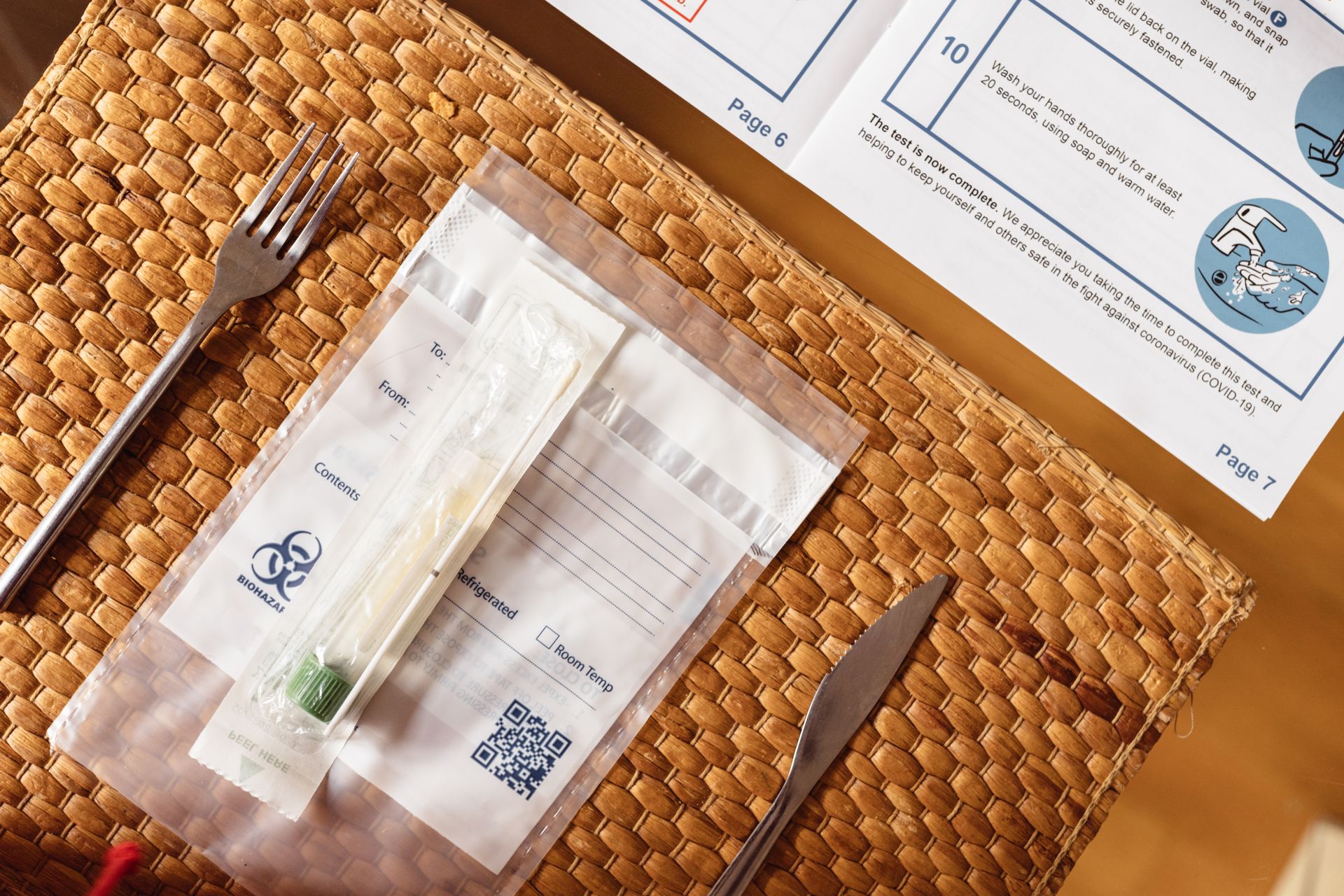
Health officials are urging people in their 50s to complete free at-home bowel cancer screening kits, warning that little over half of 54-year-olds currently finish the test. According to BBC Health, here is how the screening works and why catching the disease early makes such a large difference.

Measles resurgence: why a country that nearly beat it now has 120,000 cases
Bangladesh has reported roughly 120,000 measles cases and hundreds of child deaths, years after being praised for major progress against the disease. According to BBC Health, overwhelmed hospitals and gaps in routine vaccination coverage are driving one of the country's worst outbreaks in decades.