Twins Nancy and Margo: the womb surgery that saved them from a rare condition

Before they were born, Nancy and Margo faced a rare and dangerous complication that can occur in identical twins. The condition disrupts how blood flows between twins who share a single placenta, putting both babies' lives at risk.
In cases like this, one twin can end up receiving too much blood while the other receives too little. Left untreated, the imbalance can lead to heart failure in one or both babies, or serious complications tied to premature birth.
After identifying the twins' condition early, doctors decided to pursue an experimental prenatal surgical technique available at only a handful of centers worldwide. The procedure involves making a small incision in the mother's abdomen and inserting a specialized imaging system along with miniature surgical instruments directly into the womb.
The surgical team used laser technology to seal off abnormal blood vessel connections in the placenta, aiming to stop the unequal blood-sharing between the twins. The procedure demands millimeter-level precision and is carried out directly on a developing fetus, making it exceptionally high-risk.
The operation was performed as part of a clinical trial testing this specific technique for the first time in this way. The team reported that the outcome significantly improved both twins' chances of survival and healthy development.
The mother was kept under close medical supervision for the remainder of the pregnancy, with regular ultrasound scans tracking both babies' growth and heart function. Doctors say the first weeks after surgery are critical in determining whether the procedure has succeeded.
Nancy and Margo were born healthy, and post-birth checks showed both were progressing along expected developmental milestones. The medical team is presenting the case as one of the successful outcomes of this experimental approach.
Procedures of this kind, performed directly on a fetus in the womb, seemed like science fiction only a few decades ago. The advance of prenatal surgery now rests on the understanding that, in some cases, waiting until birth can be riskier for the baby than treating the condition early.
Experts stress that such interventions remain rare and high-risk, available only at a limited number of centers with specially trained teams. Wider use of these still-experimental techniques will depend on long-term follow-up data.
Nancy and Margo's case has been recorded as one of the examples pushing the boundaries of prenatal medicine. Doctors say success stories like theirs offer hope to other families facing similar complications and help drive momentum for further research in the field.
Read next

Do chili peppers raise cancer risk? What a major review found
A major review has found that people who eat the most chili peppers have a substantially higher risk of esophageal cancer, though the evidence for stomach and colorectal cancers is less clear. Researchers stress the findings show an association, not proof that chili peppers cause cancer.
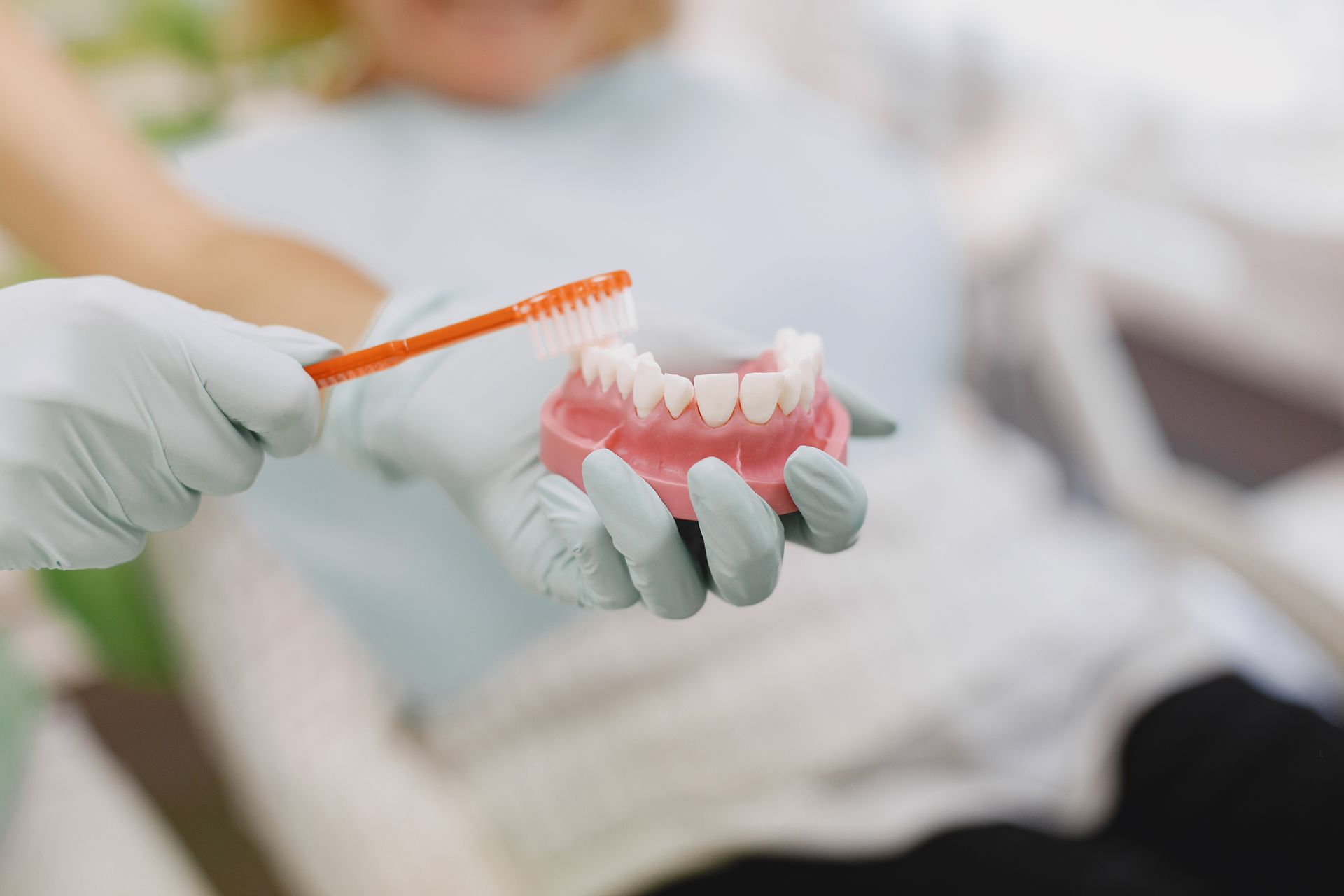
Gum disease and heart valve risk: what the new research found
Researchers have found that bacteria linked to gum disease may help drive calcific aortic valve stenosis, a serious heart condition, by triggering inflammation and calcium buildup in the valve. The early findings add to a growing body of evidence tying oral health to cardiovascular disease.

Fast food near schools: why UK MPs want it banned to fight child obesity
A UK parliamentary committee has recommended banning new fast food outlets from opening near schools and tightening advertising rules, citing estimates that childhood obesity costs the country billions of pounds a year. The proposal reopens a long-running debate over how much government should shape where and how food is sold.

Newborn vitamin K shot: why it's given and what refusing it risks
The vitamin K injection given to newborns shortly after birth protects against a rare but potentially fatal bleeding disorder. A rising number of parents opting out has doctors re-explaining exactly what that decision risks.
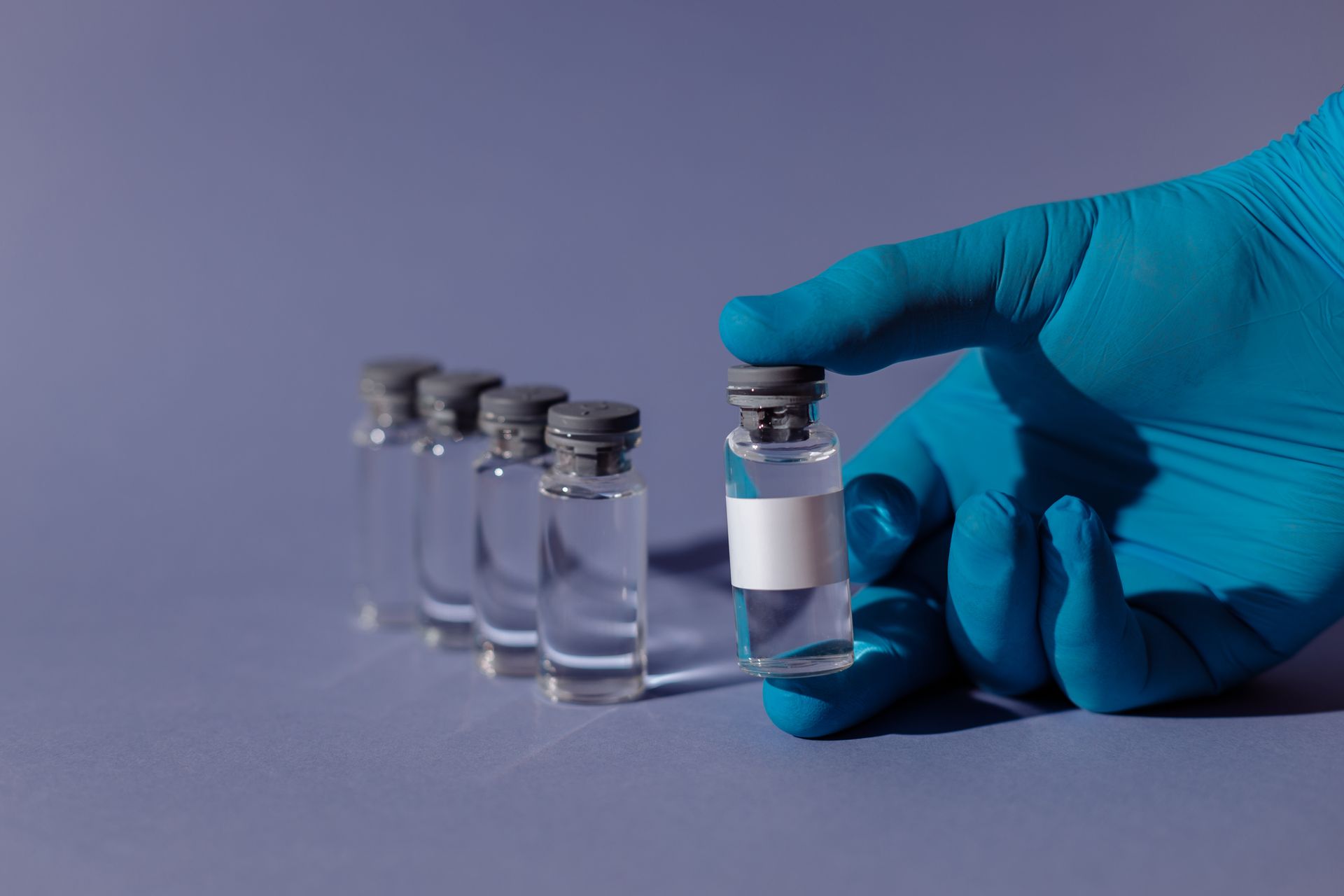
Ebola vaccine built in eight weeks begins UK human trials
The UK's medicines regulator has approved human trials of an experimental Ebola vaccine designed and manufactured in just eight weeks, using a rapid-response platform meant to compress outbreak vaccine timelines. Healthy adult volunteers will receive the first doses in a safety study.