Gum disease and heart valve risk: what the new research found
New research suggests that bacteria linked to gum disease may contribute to the development of a serious condition in the heart's aortic valve. Known as calcific aortic valve stenosis, the condition involves calcium buildup that stiffens the valve and restricts blood flow.
Researchers found that certain bacteria present in the mouth can enter the bloodstream and reach the heart valve, where they appear to trigger inflammation. That inflammatory response is thought to accelerate calcium deposits building up in the valve tissue over time.
Calcific aortic valve stenosis mainly affects older adults and, left untreated, can progress toward heart failure. As the disease advances, the valve stiffens and loses flexibility, making it harder for the heart to pump enough blood to the rest of the body.
Until now, the condition has largely been attributed to aging, high cholesterol and genetic predisposition. The new findings suggest oral health should be added to that picture, though researchers stop short of claiming it is a standalone cause.
In the study, patients with severe gum disease showed markedly more bacterial traces in valve tissue than patients with healthy gums. That overlap prompted researchers to dig deeper into whether the relationship is causal.
Scientists caution that the finding does not yet prove a definitive cause-and-effect relationship. People with gum disease are also more likely to carry other risk factors, such as smoking or poor diet, which complicates isolating the effect of oral bacteria alone.
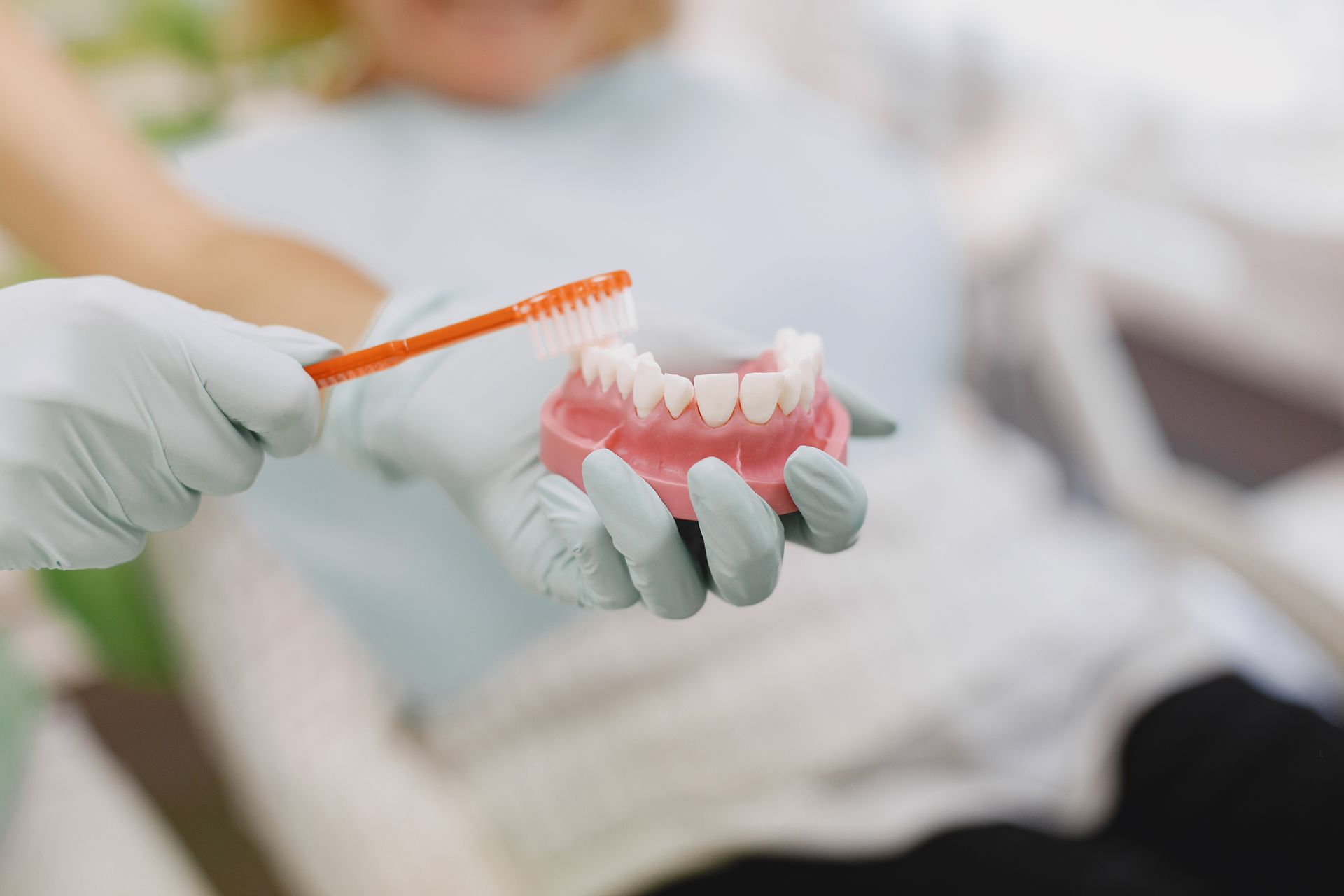
Even so, researchers say keeping gums healthy could be a simple, low-cost measure with potential benefits for heart health. Regular brushing, flossing and professional dental cleanings may reduce the chances of these bacteria entering the bloodstream in the first place.
The link between oral health and cardiovascular disease is not new — earlier studies have tied gum disease to a heightened risk of heart attack and stroke. But evidence of a direct effect on the heart valve itself is comparatively recent.
As a next step, researchers plan to test whether treating gum disease can slow the rate at which valve calcification progresses. A clinical trial of that kind could clarify how much practical difference the findings actually make for patients.
Experts say that until clearer results are in, people should simply keep up with the oral hygiene routines already recommended. Preventing gum disease, they note, looks like a sensible investment not just for dental health but for its possible knock-on benefits to the heart.
Read next

Twins Nancy and Margo: the womb surgery that saved them from a rare condition
In a world-first medical trial, identical twins Nancy and Margo were saved from a rare pregnancy complication by a procedure carried out while they were still in the womb. Their case highlights how far fetal surgery has advanced in treating conditions once considered untreatable before birth.

Do chili peppers raise cancer risk? What a major review found
A major review has found that people who eat the most chili peppers have a substantially higher risk of esophageal cancer, though the evidence for stomach and colorectal cancers is less clear. Researchers stress the findings show an association, not proof that chili peppers cause cancer.

Fast food near schools: why UK MPs want it banned to fight child obesity
A UK parliamentary committee has recommended banning new fast food outlets from opening near schools and tightening advertising rules, citing estimates that childhood obesity costs the country billions of pounds a year. The proposal reopens a long-running debate over how much government should shape where and how food is sold.

Newborn vitamin K shot: why it's given and what refusing it risks
The vitamin K injection given to newborns shortly after birth protects against a rare but potentially fatal bleeding disorder. A rising number of parents opting out has doctors re-explaining exactly what that decision risks.
Ebola vaccine built in eight weeks begins UK human trials
The UK's medicines regulator has approved human trials of an experimental Ebola vaccine designed and manufactured in just eight weeks, using a rapid-response platform meant to compress outbreak vaccine timelines. Healthy adult volunteers will receive the first doses in a safety study.