Fast food near schools: why UK MPs want it banned to fight child obesity

A House of Commons health committee has called for new rules blocking fast food outlets from opening near schools, presenting the move as part of a wider strategy to tackle childhood obesity in England.
The committee's report estimates that childhood obesity costs the country roughly £74 billion a year. That figure spans direct healthcare spending as well as the indirect toll of obesity-linked illness on workforce productivity and quality of life.
MPs did not limit their recommendations to new outlet openings. The report also calls for a ban on junk food advertising on billboards and public transport, aiming to reduce the volume of advertising children encounter in daily life.
Supermarkets would face new requirements too. The report recommends that stores be encouraged to prominently display fruit and vegetables at high-visibility spots such as entrances and checkouts, on the theory that impulse purchases can be nudged toward healthier choices.
The committee also wants mandatory traffic-light-style labelling on all food packaging, showing at a glance how healthy or unhealthy a product is. Some supermarket chains already use a version of this system voluntarily, but MPs want it standardised nationwide.
The report urges ministers not to give in to pressure from the food industry, noting that similar regulatory efforts in the past have been delayed or watered down under industry pushback — though it does not name specific companies involved.
Restrictions near schools already exist in a partial form in some local authorities. Parts of London have limited new fast food licences within a set distance of schools in recent years; the committee wants that model extended nationally.
Critics argue such restrictions could place a disproportionate burden on small businesses. Opposing voices contend that the core problem is less about proximity to fast food than about income inequality and food literacy.
Health specialists counter that eating habits formed early in childhood tend to persist substantially into adulthood. They argue that regulating the environment children grow up in can have a more durable effect than awareness campaigns aimed at individual choice alone.
The committee's recommendations are not binding for now, and whether the government will turn them into law remains uncertain. MPs say they expect a formal response from ministers in the coming months.
Read next

Twins Nancy and Margo: the womb surgery that saved them from a rare condition
In a world-first medical trial, identical twins Nancy and Margo were saved from a rare pregnancy complication by a procedure carried out while they were still in the womb. Their case highlights how far fetal surgery has advanced in treating conditions once considered untreatable before birth.
Do chili peppers raise cancer risk? What a major review found
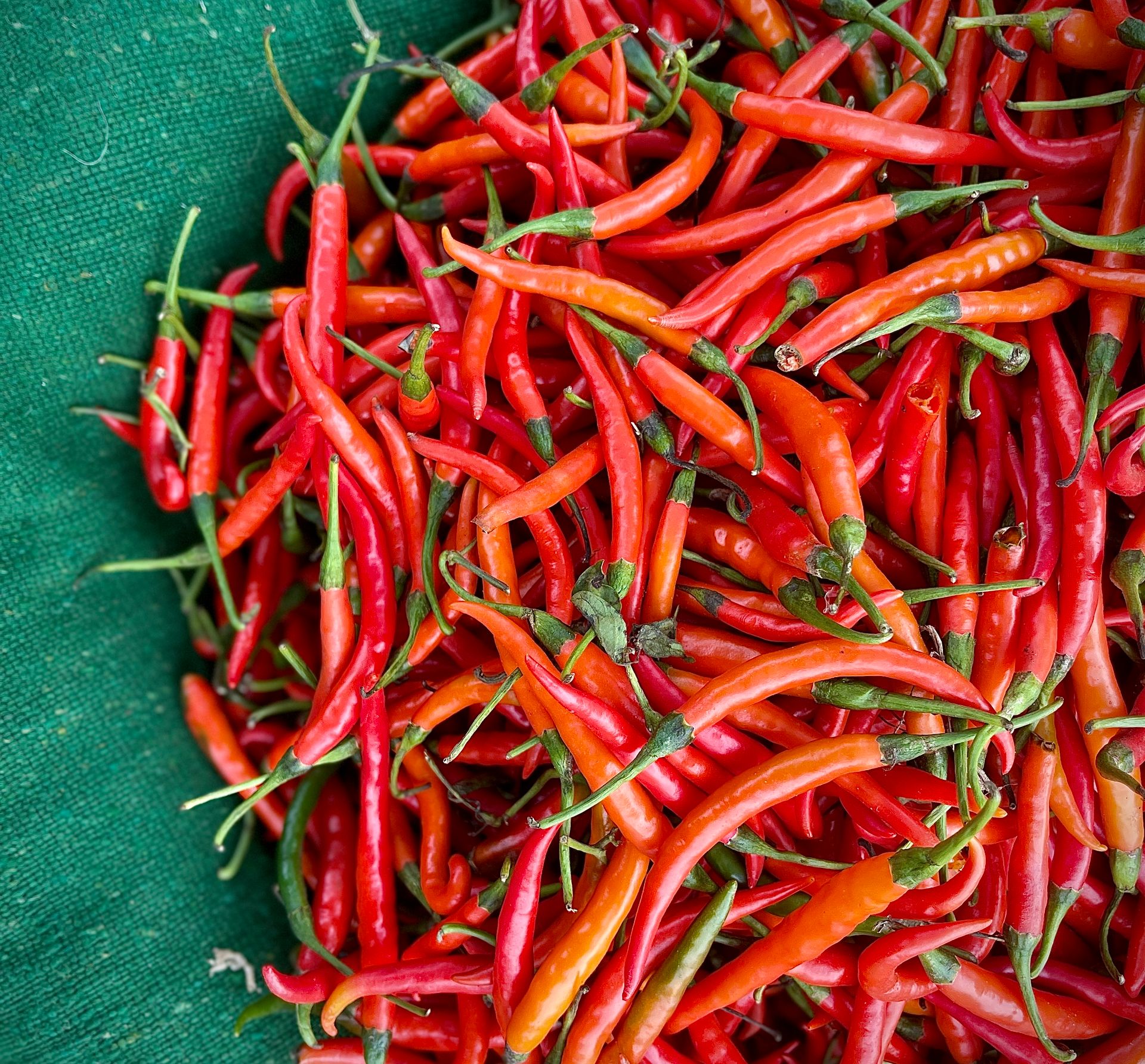
A major review has found that people who eat the most chili peppers have a substantially higher risk of esophageal cancer, though the evidence for stomach and colorectal cancers is less clear. Researchers stress the findings show an association, not proof that chili peppers cause cancer.
Gum disease and heart valve risk: what the new research found
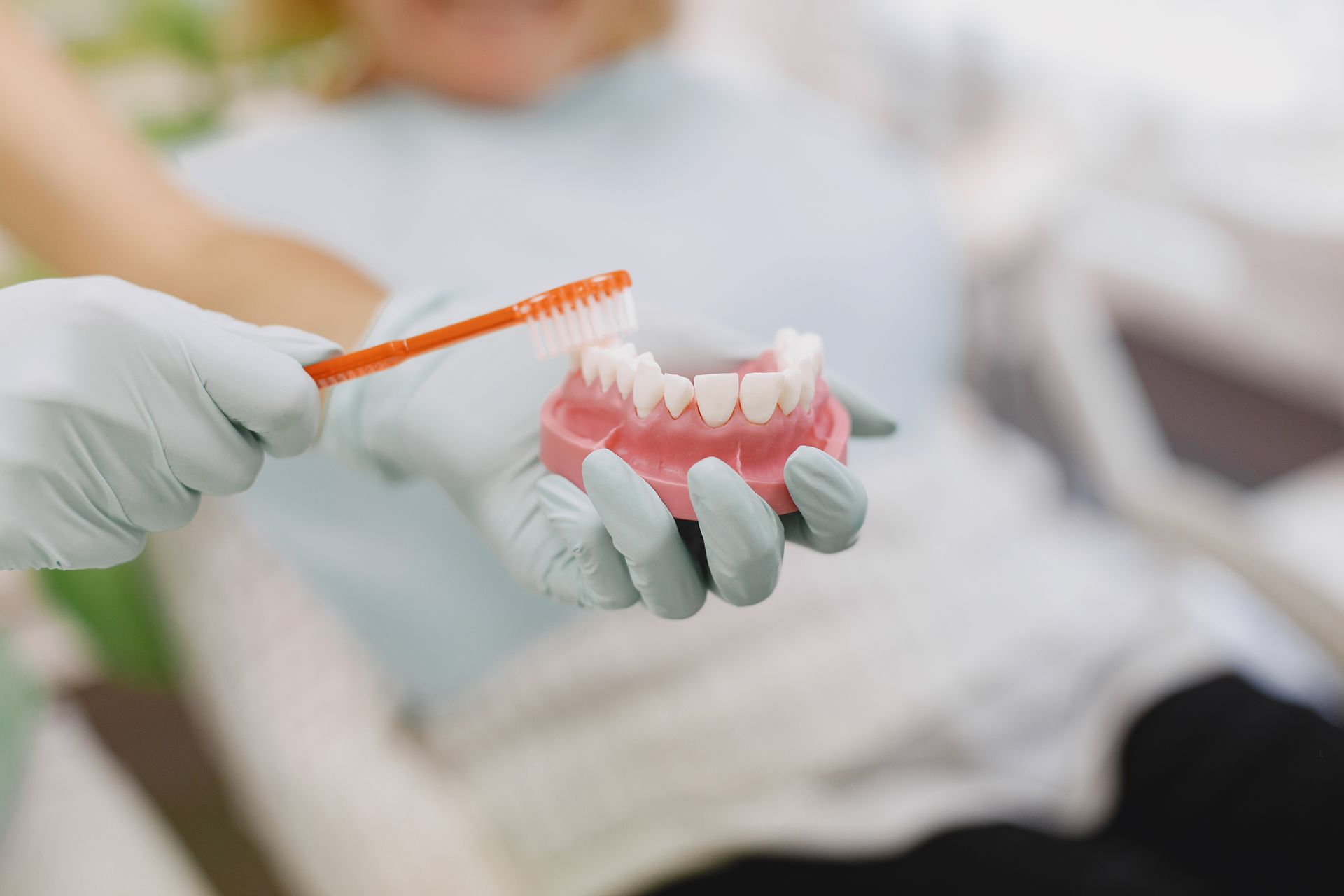
Researchers have found that bacteria linked to gum disease may help drive calcific aortic valve stenosis, a serious heart condition, by triggering inflammation and calcium buildup in the valve. The early findings add to a growing body of evidence tying oral health to cardiovascular disease.

Newborn vitamin K shot: why it's given and what refusing it risks
The vitamin K injection given to newborns shortly after birth protects against a rare but potentially fatal bleeding disorder. A rising number of parents opting out has doctors re-explaining exactly what that decision risks.
Ebola vaccine built in eight weeks begins UK human trials
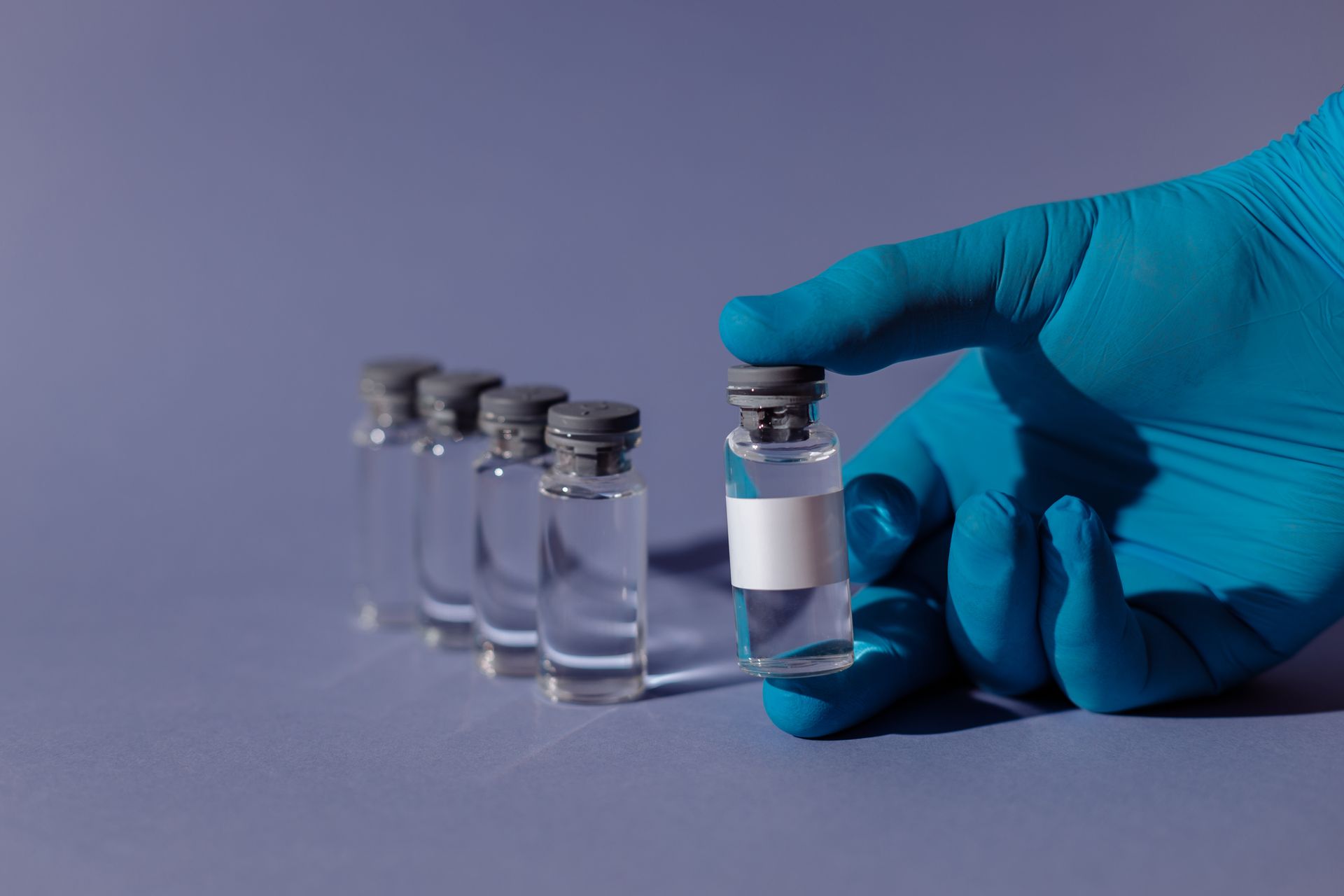
The UK's medicines regulator has approved human trials of an experimental Ebola vaccine designed and manufactured in just eight weeks, using a rapid-response platform meant to compress outbreak vaccine timelines. Healthy adult volunteers will receive the first doses in a safety study.