Newborn vitamin K shot: why it's given and what refusing it risks

Within the first hours after birth, babies in most hospitals worldwide routinely receive a vitamin K injection. The practice is so deeply embedded in standard care that most parents never think to question it. In recent years, though, a growing number of families have begun looking into declining or delaying the shot.
Vitamin K is essential for blood clotting. Adults can produce some of it through gut bacteria and get more from food, but newborns are born with very little of it, and breast milk contains only small amounts. That natural gap leaves infants vulnerable to a rare but serious condition called vitamin K deficiency bleeding.
The condition can cause sudden, severe bleeding in internal organs, including the brain. Doctors emphasize that although the condition is rare, its potential severity — combined with the fact that it is almost entirely preventable — makes the risk one they consider unacceptable to leave unaddressed.
The vitamin K injection has been standard newborn practice since the 1960s, and health authorities point to a sharp decline in newborn bleeding cases since it became routine. Infants who don't receive the shot face a meaningfully higher rate of these bleeding events than those who do.
Some parents decline the injection out of concern that it is an unnecessary medical intervention, while others opt instead for oral vitamin K drops. Experts note that the oral form is less effective at raising vitamin K levels and is harder to dose correctly, since it typically requires several doses given at precise intervals.
Doctors say parental decisions to refuse are often shaped by misinformation circulating online or unfounded claims about what the injection contains. Health workers reiterate that such claims are not supported by evidence, and that the shot's safety profile has been established for decades.
Symptoms of vitamin K deficiency bleeding don't always appear immediately. In some infants, bleeding can occur weeks after birth — a form doctors call “late onset” — which makes it especially dangerous, since families may assume by that point the risk window has passed.
Pediatric specialists recommend that parents weighing the decision speak candidly with the medical team at the hospital or birth center. While they acknowledge declining the shot is a personal choice, they stress that the choice should be grounded in accurate information.
Some birth centers now ask parents who decline the injection to sign a written acknowledgment confirming they understand the risks. Health providers say the step isn't meant to alarm families but to ensure the decision is made with full awareness of what is at stake.
Ultimately, doctors describe the vitamin K shot as one of the simplest yet most effective interventions in modern newborn care — a single injection that, they argue, offers protection against a rare risk that is well worth the shot's minimal downside.
Read next

Twins Nancy and Margo: the womb surgery that saved them from a rare condition
In a world-first medical trial, identical twins Nancy and Margo were saved from a rare pregnancy complication by a procedure carried out while they were still in the womb. Their case highlights how far fetal surgery has advanced in treating conditions once considered untreatable before birth.

Do chili peppers raise cancer risk? What a major review found
A major review has found that people who eat the most chili peppers have a substantially higher risk of esophageal cancer, though the evidence for stomach and colorectal cancers is less clear. Researchers stress the findings show an association, not proof that chili peppers cause cancer.
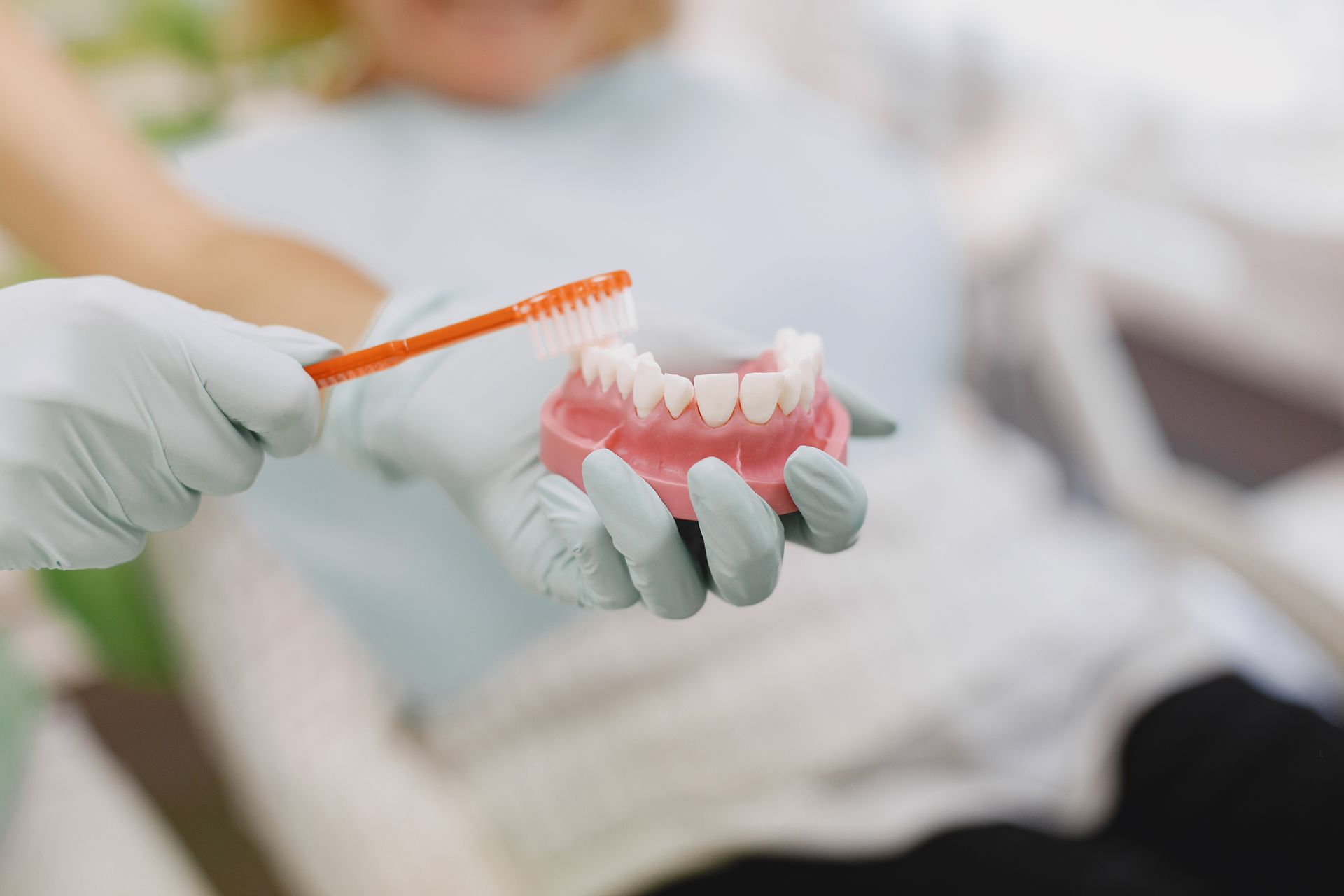
Gum disease and heart valve risk: what the new research found
Researchers have found that bacteria linked to gum disease may help drive calcific aortic valve stenosis, a serious heart condition, by triggering inflammation and calcium buildup in the valve. The early findings add to a growing body of evidence tying oral health to cardiovascular disease.

Fast food near schools: why UK MPs want it banned to fight child obesity
A UK parliamentary committee has recommended banning new fast food outlets from opening near schools and tightening advertising rules, citing estimates that childhood obesity costs the country billions of pounds a year. The proposal reopens a long-running debate over how much government should shape where and how food is sold.
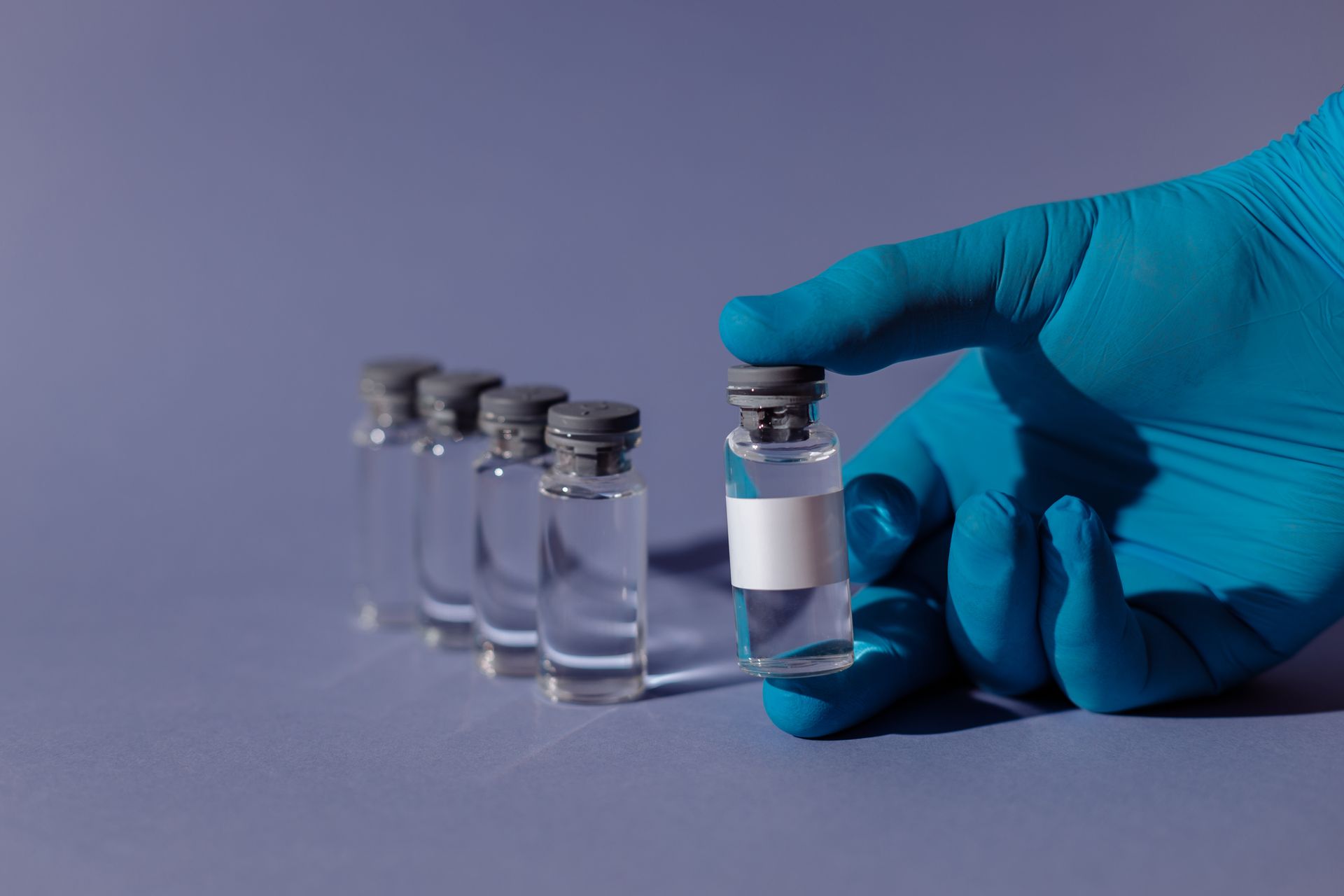
Ebola vaccine built in eight weeks begins UK human trials
The UK's medicines regulator has approved human trials of an experimental Ebola vaccine designed and manufactured in just eight weeks, using a rapid-response platform meant to compress outbreak vaccine timelines. Healthy adult volunteers will receive the first doses in a safety study.