Ebola vaccine built in eight weeks begins UK human trials
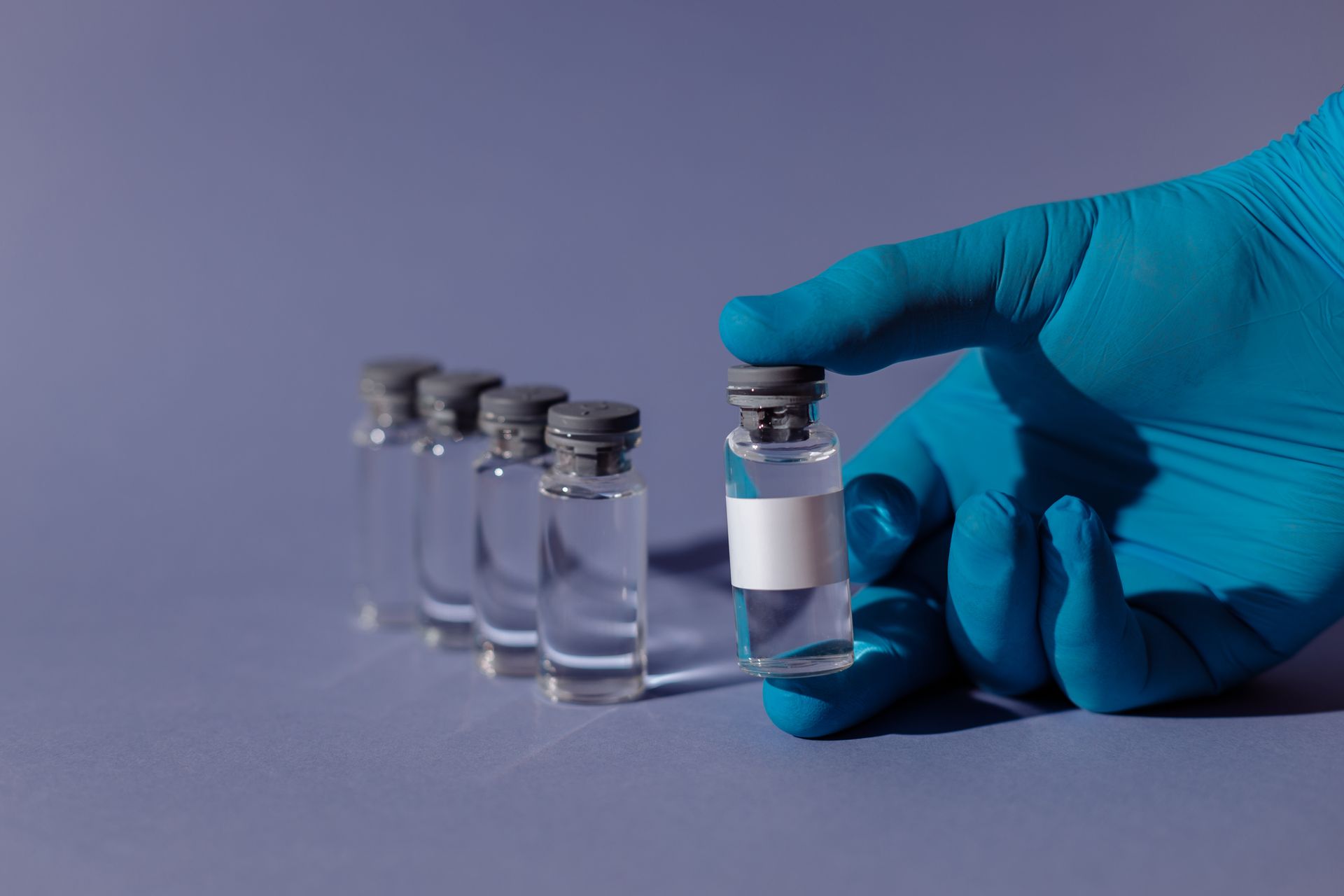
The UK's medicines regulator has approved human trials of an experimental Ebola vaccine, with one detail standing out above the rest: the candidate went from design to manufactured doses in just eight weeks. That timeline marks a striking departure from how vaccines have traditionally been built.
The first approved Ebola vaccine, Ervebo, took years to develop following the devastating 2014-2016 West Africa outbreak, which killed thousands before the vaccine became available — and only after the outbreak had largely subsided. The teams behind this new trial argue that such a lag should not be repeated.
The vaccine was produced using a rapid-response platform technology, designed so that once a pathogen's genetic sequence is known, a candidate vaccine can be manufactured within weeks rather than months or years. The approach draws on lessons from the accelerated development of mRNA vaccines during the Covid-19 pandemic.
In this first phase, the trial will assess only safety and immune response. Healthy adult volunteers will receive low doses, with researchers closely monitoring how their bodies react. Whether the vaccine actually protects against Ebola infection is a question for later-stage trials.
Regulators and researchers stress that speed has not come at the expense of safety oversight. The review criteria applied to the vaccine are the same as for any candidate; what has been compressed is the administrative and logistical lag between design and manufacture, not the scrutiny itself.
The trial comes as an Ebola outbreak continues in the eastern Democratic Republic of Congo, where the disease has kept spreading amid difficulties reaching conflict-affected areas and attacks on health workers. Advocates of rapid-platform vaccines hope the technology could allow a faster response the next time such an outbreak emerges.
International efforts to strengthen global pandemic preparedness have repeatedly floated a target of producing a safe vaccine candidate within 100 days of an outbreak's start. This trial is being watched as a concrete test of how close that target now is.
Scientists remain cautious. Proving that an early-stage vaccine is both safe and effective typically takes years of further study. A fast start does not shorten the runway needed to gather long-term efficacy and safety data before any vaccine could see wider use.
The study is being run at a clinical research facility in London, where volunteers will undergo regular blood testing and close monitoring for side effects. Researchers say initial results are expected to be assessed within the coming months.
If the trial succeeds, researchers say the same rapid-development platform could be adapted to other pathogens. They frame it not simply as one vaccine project, but as an early proof of concept for how future outbreaks might be met.
Read next

Twins Nancy and Margo: the womb surgery that saved them from a rare condition
In a world-first medical trial, identical twins Nancy and Margo were saved from a rare pregnancy complication by a procedure carried out while they were still in the womb. Their case highlights how far fetal surgery has advanced in treating conditions once considered untreatable before birth.
Do chili peppers raise cancer risk? What a major review found
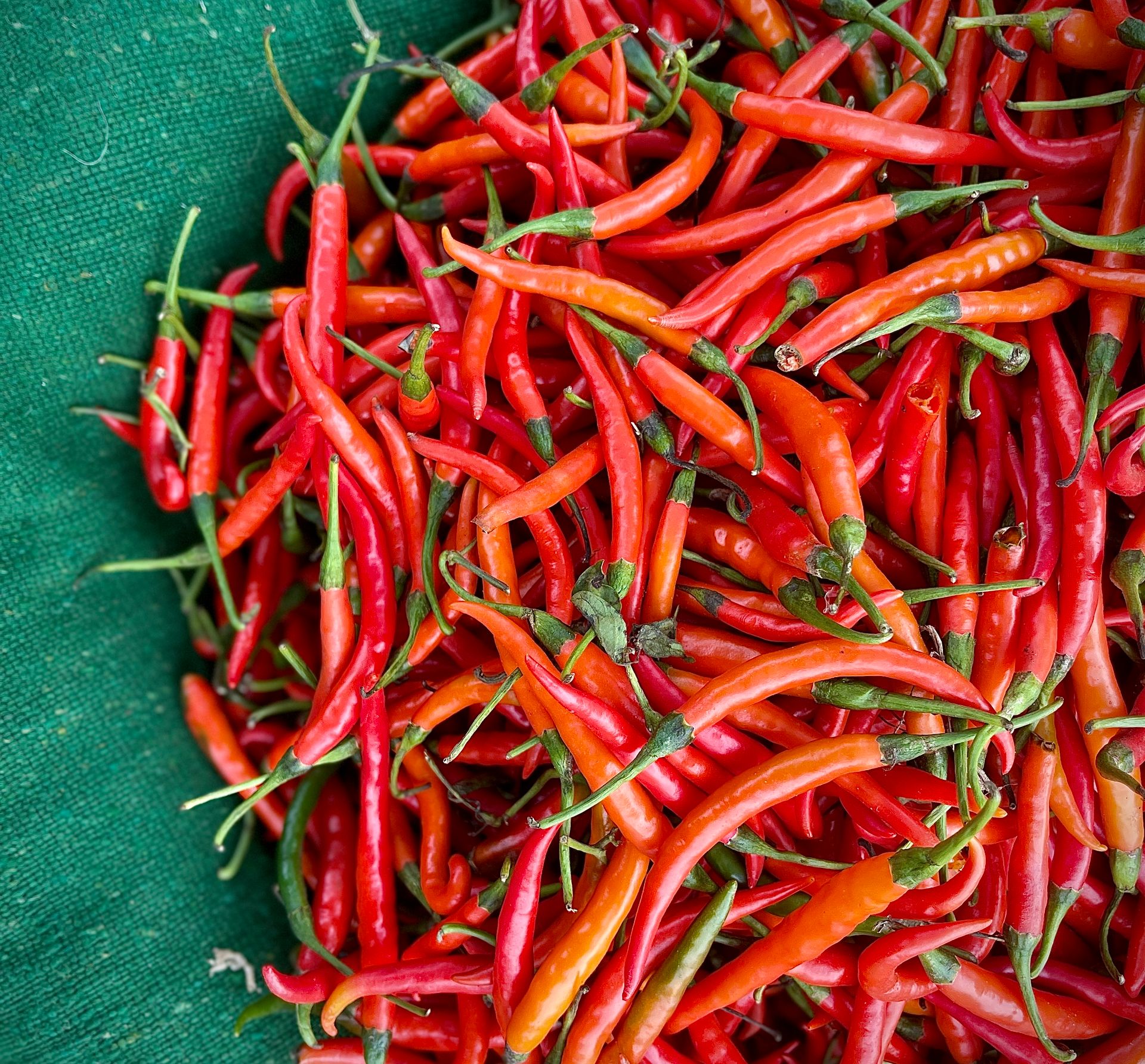
A major review has found that people who eat the most chili peppers have a substantially higher risk of esophageal cancer, though the evidence for stomach and colorectal cancers is less clear. Researchers stress the findings show an association, not proof that chili peppers cause cancer.
Gum disease and heart valve risk: what the new research found
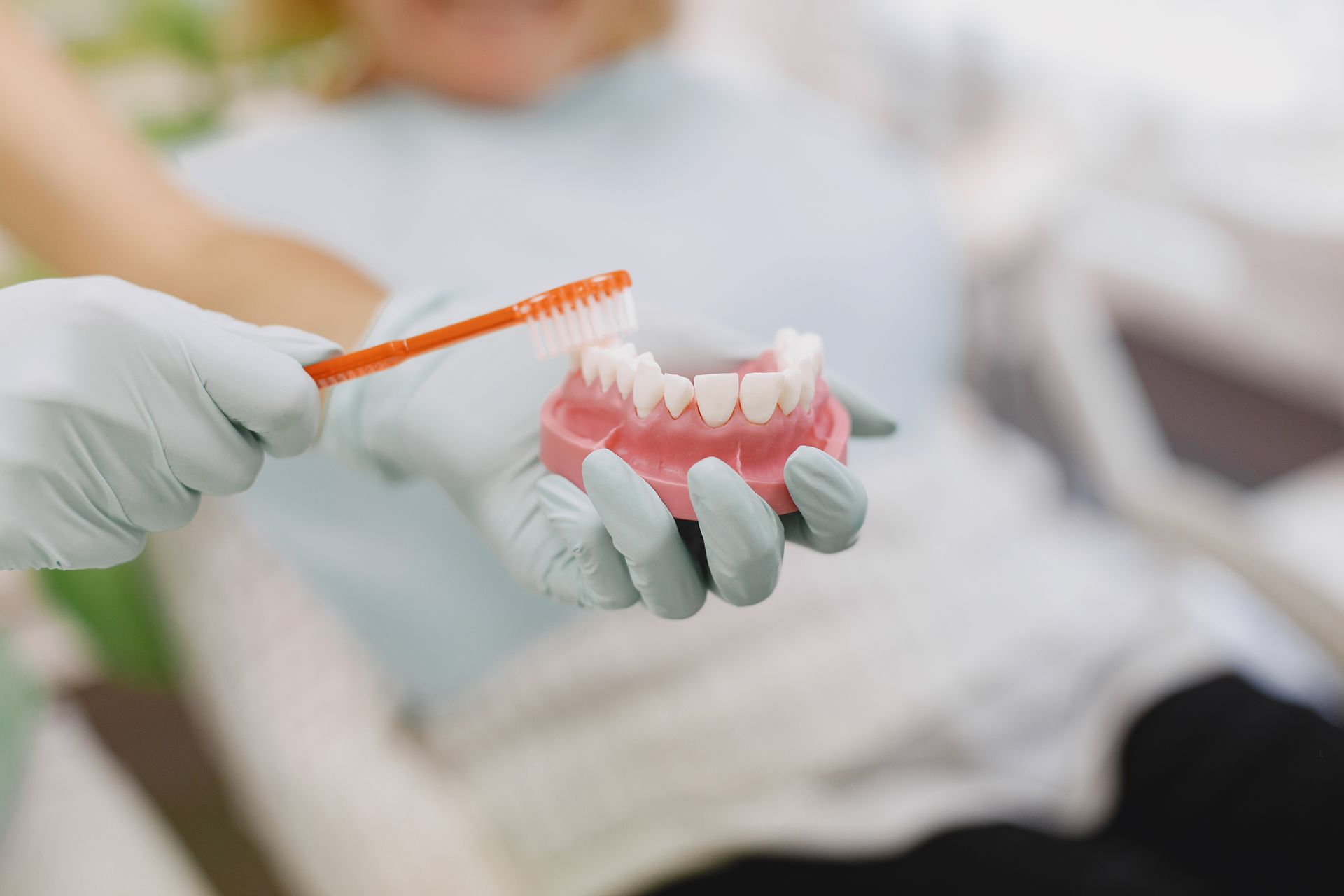
Researchers have found that bacteria linked to gum disease may help drive calcific aortic valve stenosis, a serious heart condition, by triggering inflammation and calcium buildup in the valve. The early findings add to a growing body of evidence tying oral health to cardiovascular disease.

Fast food near schools: why UK MPs want it banned to fight child obesity
A UK parliamentary committee has recommended banning new fast food outlets from opening near schools and tightening advertising rules, citing estimates that childhood obesity costs the country billions of pounds a year. The proposal reopens a long-running debate over how much government should shape where and how food is sold.

Newborn vitamin K shot: why it's given and what refusing it risks
The vitamin K injection given to newborns shortly after birth protects against a rare but potentially fatal bleeding disorder. A rising number of parents opting out has doctors re-explaining exactly what that decision risks.