Do chili peppers raise cancer risk? What a major review found
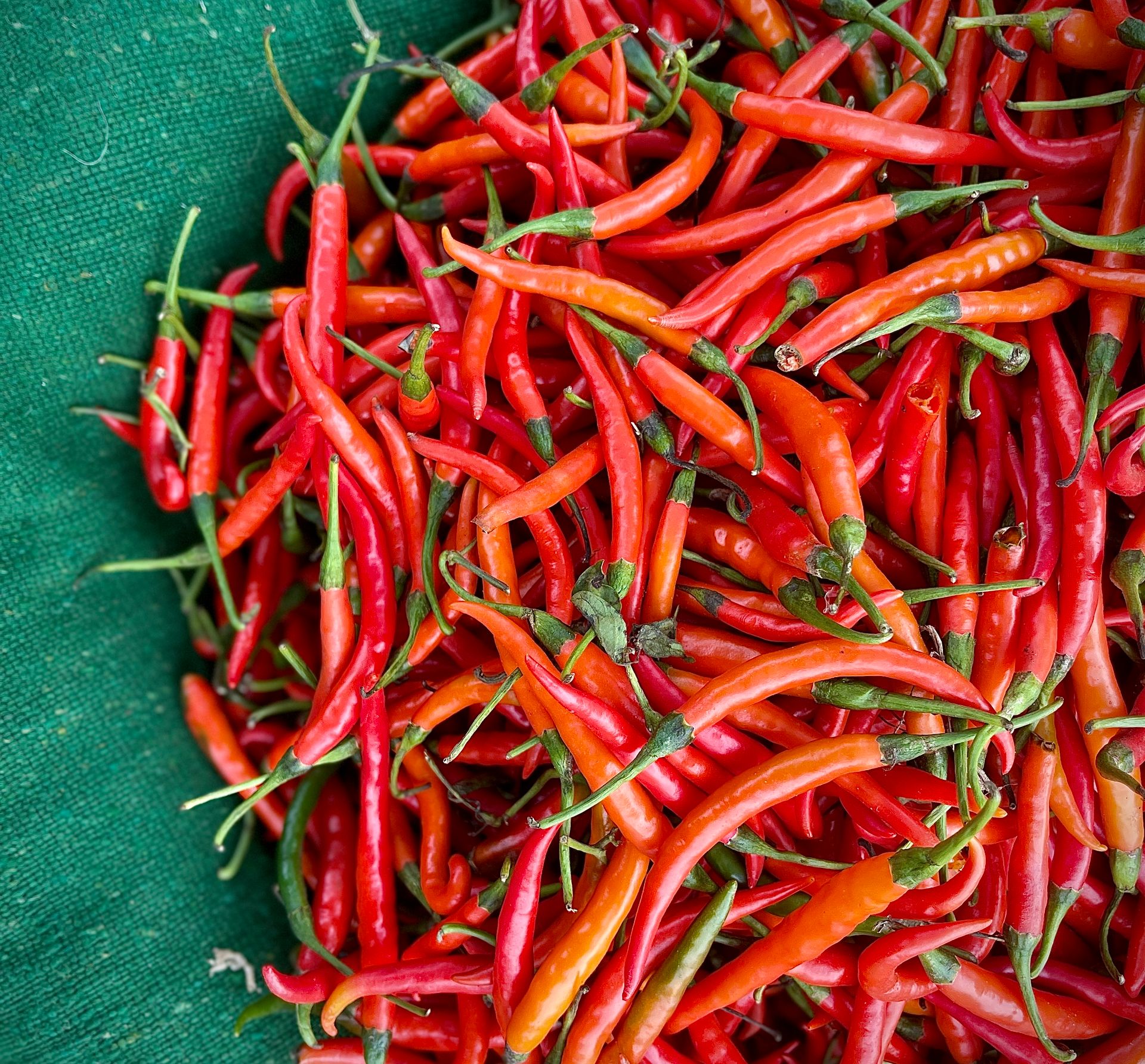
Chili peppers, a daily staple in cuisines eaten by billions of people worldwide, are the focus of a new scientific review. Researchers pooled dozens of studies to re-examine the relationship between chili pepper consumption and several types of cancer.
The review's most striking finding concerns esophageal cancer. People in the highest-consumption group had a substantially higher risk of the disease compared with those who ate the least, and researchers describe that association as statistically strong.
For stomach and colorectal cancers, the picture is murkier. Some studies pointed to a modest increase in risk, while others found no meaningful link at all. Researchers attribute the inconsistency partly to differences in how studies measured consumption levels.
Scientists are careful to stress that the relationship identified is a correlation, not direct proof of cause and effect. Regions with high chili consumption may also have higher rates of other risk factors, such as smoking and alcohol use, that could be driving part of the pattern.
One possible explanation for the esophageal cancer link involves capsaicin, the compound responsible for chili peppers' signature heat. Researchers believe that when consumed in large, sustained quantities, capsaicin may irritate the tissue lining the esophagus over time.
But researchers also note that capsaicin has shown anti-cancer properties in some laboratory studies. Those conflicting findings suggest the compound's effect may depend on dose, how it's consumed, and possibly individual genetic factors.
Most of the studies included in the review relied on participants' self-reported consumption levels, a method that carries limitations such as recall bias. Researchers say more tightly controlled, long-term studies are needed before firmer conclusions can be drawn.
Experts say the current evidence isn't strong enough to convince most people to give up chili peppers entirely. Moderate consumption doesn't appear to pose a problem for most people; the risk identified is primarily linked to sustained, heavy consumption.
Researchers recommend that future studies look beyond just quantity, examining pepper variety, cooking method, and the other foods typically eaten alongside chili peppers. Those factors, they say, could help explain part of the observed risk.
Ultimately, scientists say the relationship between chili peppers and cancer is too complex to sum up with a simple good-or-bad label. Nutrition experts note that, as part of a balanced diet, chili peppers remain safe for most people to eat.
Read next

Twins Nancy and Margo: the womb surgery that saved them from a rare condition
In a world-first medical trial, identical twins Nancy and Margo were saved from a rare pregnancy complication by a procedure carried out while they were still in the womb. Their case highlights how far fetal surgery has advanced in treating conditions once considered untreatable before birth.
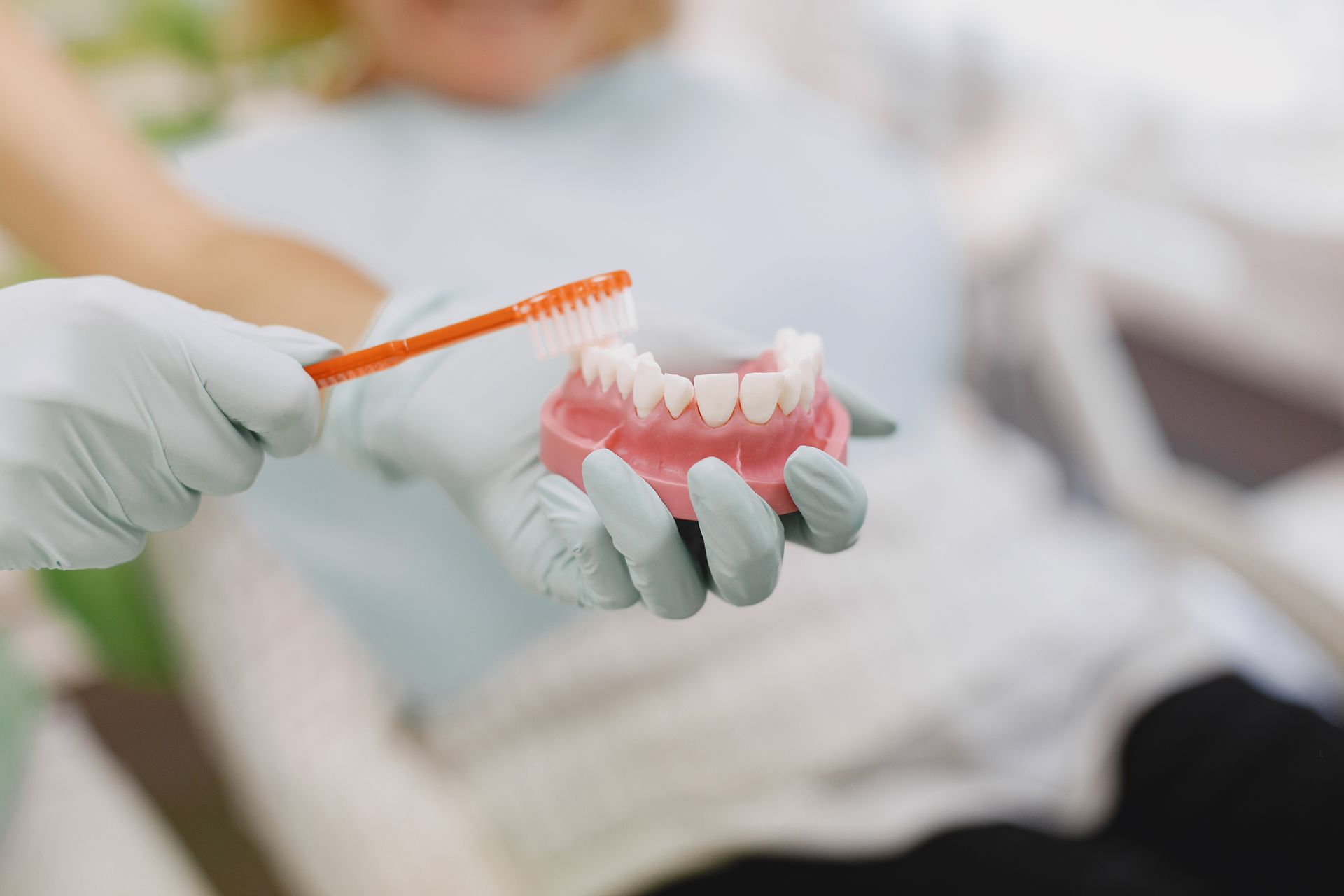
Gum disease and heart valve risk: what the new research found
Researchers have found that bacteria linked to gum disease may help drive calcific aortic valve stenosis, a serious heart condition, by triggering inflammation and calcium buildup in the valve. The early findings add to a growing body of evidence tying oral health to cardiovascular disease.

Fast food near schools: why UK MPs want it banned to fight child obesity
A UK parliamentary committee has recommended banning new fast food outlets from opening near schools and tightening advertising rules, citing estimates that childhood obesity costs the country billions of pounds a year. The proposal reopens a long-running debate over how much government should shape where and how food is sold.

Newborn vitamin K shot: why it's given and what refusing it risks
The vitamin K injection given to newborns shortly after birth protects against a rare but potentially fatal bleeding disorder. A rising number of parents opting out has doctors re-explaining exactly what that decision risks.
Ebola vaccine built in eight weeks begins UK human trials
The UK's medicines regulator has approved human trials of an experimental Ebola vaccine designed and manufactured in just eight weeks, using a rapid-response platform meant to compress outbreak vaccine timelines. Healthy adult volunteers will receive the first doses in a safety study.