St George's Guildhall in Norfolk: one of England's oldest surviving medieval guild buildings

The town of King's Lynn in Norfolk was one of the English-side nodes of one of Europe's busiest trading networks in the fourteenth century. According to Atlas Obscura, St George's Guildhall, which stands in the town centre, is one of the rare surviving medieval buildings from that period and still receives visitors today. Described as "the oldest surviving medieval guildhall in England", the building is a living witness to the trading history of the town.
The Atlas Obscura entry notes that the structure was completed around 1410. At that time King's Lynn was a port linked to the Hanseatic League's northern European trading network, in active commerce with Norway, the Netherlands and Germany. Guilds were the central institutions of the medieval economy: collective bodies through which merchant groups maintained their standards, managed mutual aid funds and secured political representation. St George's Guildhall is the architectural form of that collective identity.
The building, the magazine writes, is relatively plain in outward appearance. Main stone walls, sharp-angled doorways, exposed wooden roof beams and a long main hall reflect the functional simplicity of medieval English architecture. Atlas Obscura writes that the most surprising detail for modern visitors is the excellent acoustics of the main hall. The combined effect of high ceiling, stone floor and wooden beams makes spoken words inside the hall audible with crystal clarity.
That acoustic quality played a special role in the building's history. According to Atlas Obscura, in the late sixteenth and early seventeenth centuries travelling theatre companies that visited King's Lynn staged their plays in the hall. It is claimed that William Shakespeare too performed in the hall with one of these companies between 1592 and 1594. Atlas Obscura writes that this claim is debated, with definitive historical evidence lacking, but local archival records confirm that touring theatre companies of the era visited.
The Shakespeare connection also gives the building literary appeal beyond its trade-history significance. Atlas Obscura writes that the hall is today the only surviving medieval building in England in which Shakespeare is believed to have performed. This is a question scholars and literature researchers have been examining for years. A significant share of the funds for the building's preservation and presentation comes from the public interest the Shakespeare connection generates.
The building took on different functions in the eighteenth and nineteenth centuries. According to Atlas Obscura, it served as a warehouse, courtroom, social meeting venue and for a period a concert hall. That multi-use departed from its medieval identity; interior modifications, additions and partial demolitions threatened its architectural core. Preservation campaigns in the twentieth century sought to restore the building closer to its original form.
Today St George's Guildhall operates as a cultural centre under the management of Norfolk Arts Council. Atlas Obscura writes that the building regularly hosts theatre performances, concerts, art exhibitions and educational events. The hall's acoustic property is a natural asset for this modern use. Visitors walking through the main hall can see the contrast between the original stonework of the walls and the contemporary innovation in the stage design.
The building is an important part of King's Lynn's identity. According to Atlas Obscura, St George's Guildhall holds an important position in the town's tourism and cultural economy. Various medieval timber-framed houses and narrow lanes around the building make the area a cultural route, providing an alternative cultural destination to Norfolk's coastal tourism.
In conservation terms the building has been the subject of a large-scale restoration programme in recent years. Atlas Obscura writes that interventions on roof leaks, damp damage to stone walls and rot in wooden beams have been critical to keeping the building standing for centuries to come. Major support from the UK's Heritage Lottery Fund is the main source of funding for this work.
The broader message, as Atlas Obscura frames it, is that historic architecture can be not just a museum but a living cultural infrastructure. St George's Guildhall has served Norfolk community in different ways for more than six centuries, and that service continues today. Atlas Obscura suggests visitors stepping through the building's door remember that they are entering not just a medieval structure but a place where people have met for centuries.
Read next

Curse of the copycats: inside history's biggest plagiarism scandals
HistoryExtra surveys the biggest plagiarism scandals in the history of literature, science and art. From Shakespeare to Newton, accusations of intellectual borrowing have remained a persistent part of cultural memory.

Save the home or save the pub? How Northampton's 1675 fire forced a strange choice
HistoryExtra revisits the Great Fire of Northampton in 1675, when the town that suddenly faced ruin had to choose between saving private homes and saving its pubs. The episode sheds light on the early origins of modern fire-fighting and insurance.

The Andrée Monument in Solna: the brave and tragic legacy of an Arctic balloon expedition
The Andrée Monument north of Stockholm in Solna commemorates Salomon August Andrée and his crew, who tried to fly a hydrogen balloon to the North Pole in 1897 and died on White Island three days later. The Royal Swedish Academy of Sciences engineer's body was found in the ice 33 years afterwards.
Think the Black Death was bad in Europe? In these countries it was even worse
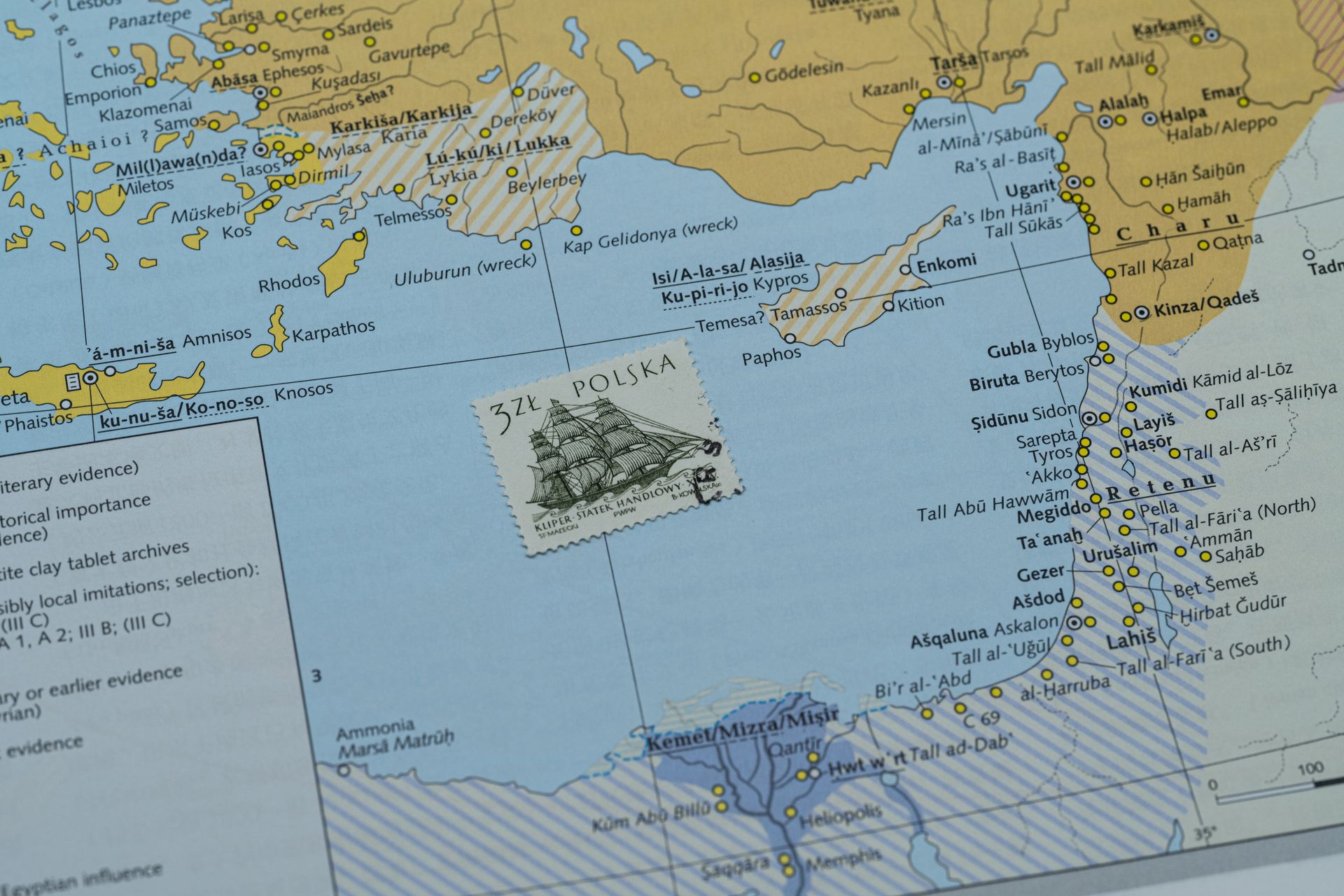
A new HistoryExtra feature examines the historiography showing the 14th-century Black Death hit Egypt, Syria and Palestine harder than parts of Europe. Cairo is estimated to have lost more than half of its population, and the Mamluk economy was shaken in ways that took the century to absorb.

The women's work that made D-Day a success
HistoryExtra's feature marking the 82nd anniversary of D-Day argues that the Normandy landings rested on thousands of women: codebreakers, aircraft builders, naval instructors and logistics officers. Historian Lucy Betteridge-Dyson calls women "the backbone of the war economy".
