The women's work that made D-Day a success
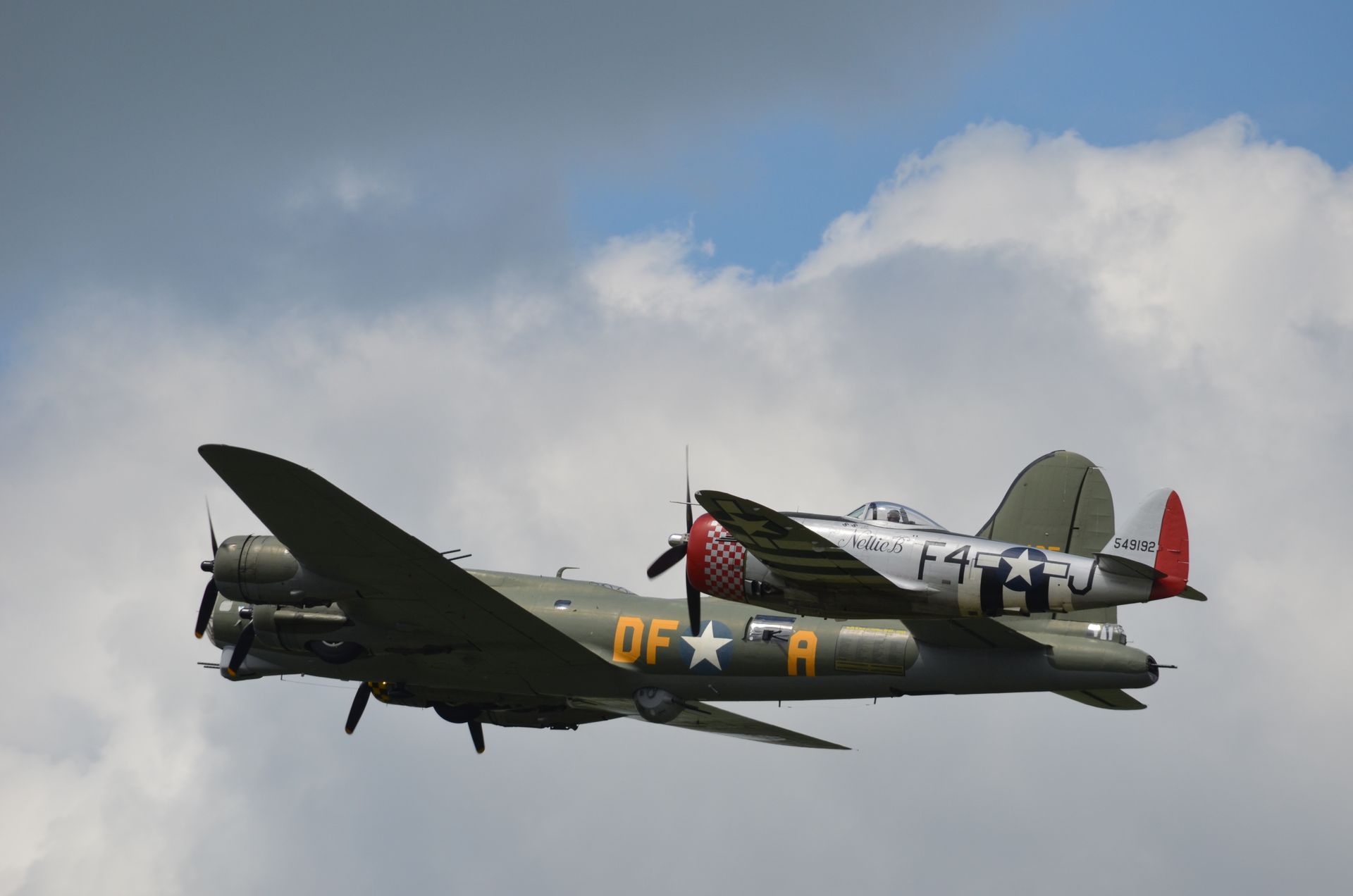
HistoryExtra's long feature for the 82nd anniversary of D-Day examines the role of the thousands of women who shaped the Normandy landings. Historian Lucy Betteridge-Dyson writes that, alongside the front-line soldiers, the women working in rear-area logistics formed "the hidden resource network of the war".
Bletchley Park was the centre of the codebreaking effort. By 6 June 1944, around 75% of the roughly 10,000 people working there were women. Most were Wrens of the Women's Royal Naval Service; some were freshly graduated mathematicians and linguists.
The codebreaking teams ensured that intelligence drawn from the German Lorenz cipher machine reached Allied command at speed. Bletchley's output meant the Allies knew the precise positions of German coastal defences and underpinned the success of Operation Fortitude, the deception campaign.
In factories, a vast war-production network ran on both sides of the Atlantic. By 1944, in Britain, about two-thirds of the workforce on the Spitfire and Avro Lancaster production lines were women. In the US, the number of women employed at Henry Ford's Willow Run plant building B-24 Liberator bombers reached 40,000.
The Women's Land Army (WLA) in Britain reached 80,000 members. These women kept agricultural production going in place of conscripted men; before D-Day, Allied army food supplies depended on their work.
On the naval side, Wrens worked everywhere from barge-driving and engineering to aircraft hangars and operations centres. On 6 June, of the 4,000 barges moving toward ships at Portsmouth, hundreds were skippered by Wrens.
Intelligence-mapping units in London offices were also run by women officers. Mary Sherer led the naval mapping unit and spent months compiling the topographic micro-detail of the D-Day landing coastline. Those maps went into the hands of paratroop and beach landing teams.
Professor Tessa Dunlop, writing for HistoryExtra, commented: "Britain's victory on D-Day was not possible without women. Without them, the Lancaster bombers would not have been built, barge driver pools would have been short and codebreaking would never have reached scale."
Women's contribution to the war was largely erased from official commemorations after 1945. The pension entitlement for WLA members was not recognised until 2007; the secrecy oath taken by women at Bletchley Park kept them from speaking until 1974.
The 82nd anniversary commemoration at Westminster Abbey was attended by 102-year-old former Wren Diana Hutchinson and 99-year-old Bletchley Park codebreaker Joan Cooper. The HistoryExtra feature notes that, for the first time this year, a plaque honouring women's war work will be unveiled at Ranville cemetery, one of the Normandy memorial sites.
More from History
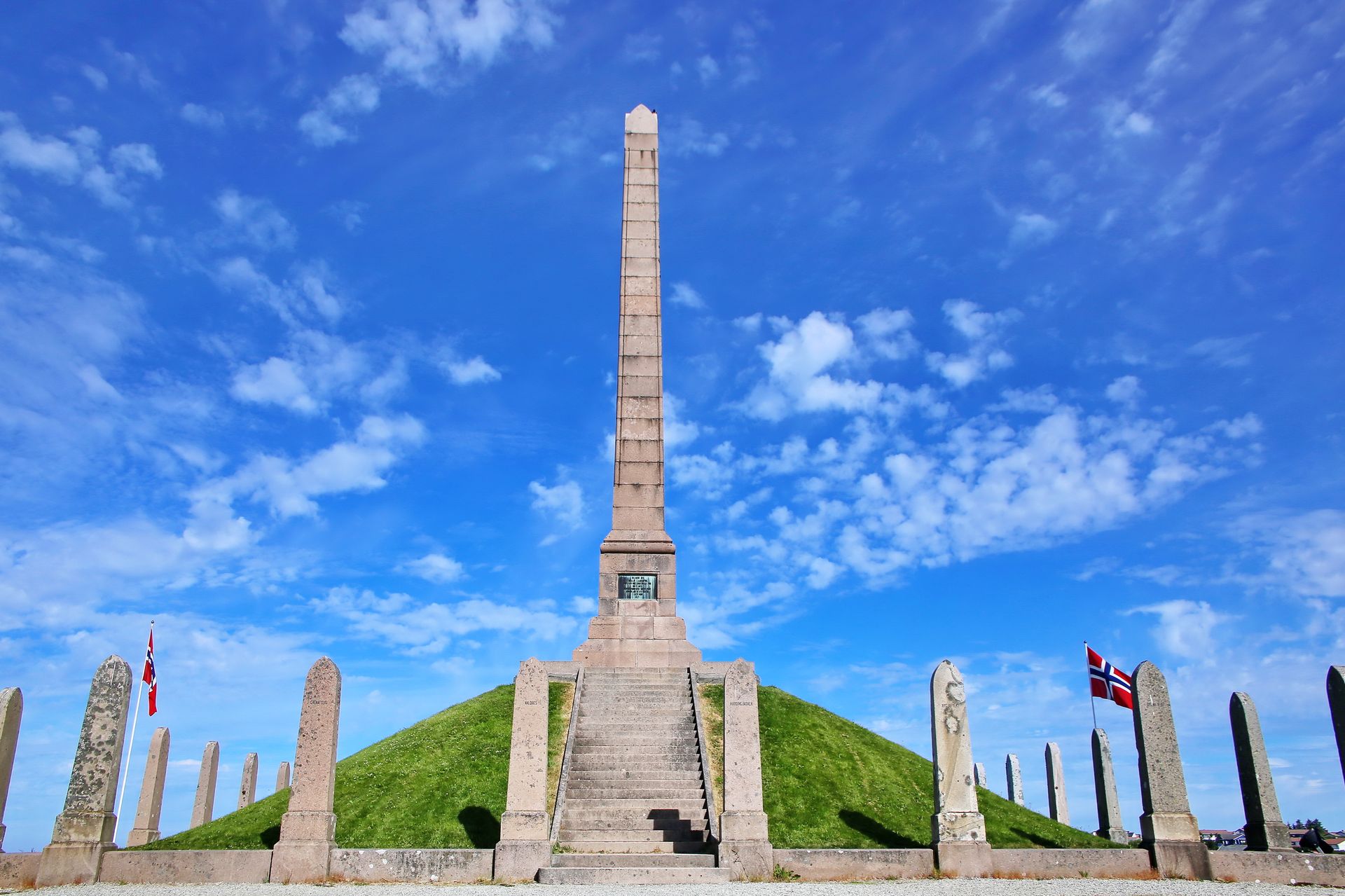
The Andrée Monument in Solna: the brave and tragic legacy of an Arctic balloon expedition
The Andrée Monument north of Stockholm in Solna commemorates Salomon August Andrée and his crew, who tried to fly a hydrogen balloon to the North Pole in 1897 and died on White Island three days later. The Royal Swedish Academy of Sciences engineer's body was found in the ice 33 years afterwards.
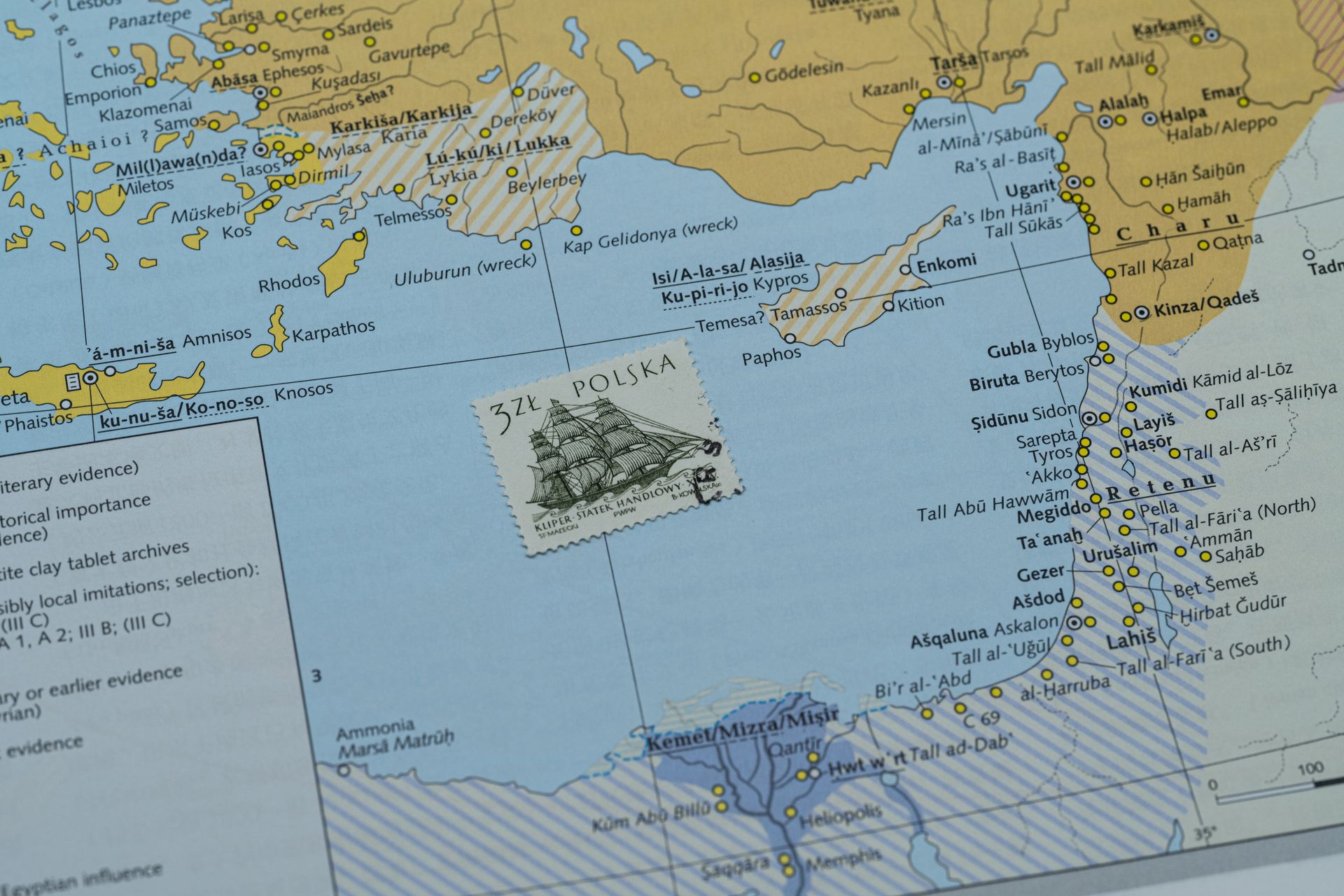
Think the Black Death was bad in Europe? In these countries it was even worse
A new HistoryExtra feature examines the historiography showing the 14th-century Black Death hit Egypt, Syria and Palestine harder than parts of Europe. Cairo is estimated to have lost more than half of its population, and the Mamluk economy was shaken in ways that took the century to absorb.
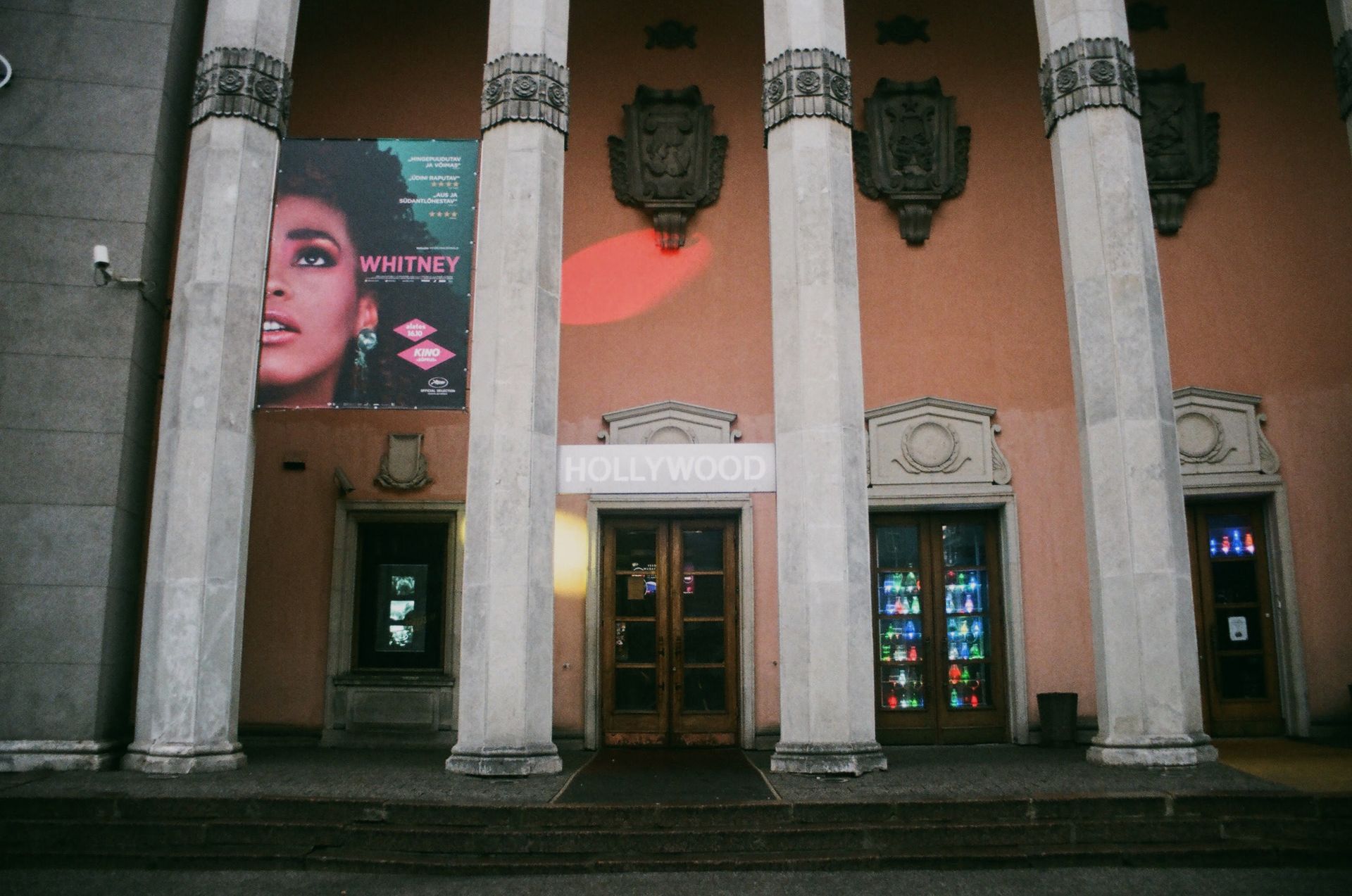
The self-made side of Marilyn Monroe: Lucy Bolton looks beyond the stereotype
Speaking on a HistoryExtra podcast, academic Lucy Bolton challenges the long-standing 'dumb blonde' stereotype around Marilyn Monroe and highlights the actress's ambition and professional discipline in building her own career. The conversation also opens up a broader academic question about how Hollywood biographies are written.