The Andrée Monument in Solna: the brave and tragic legacy of an Arctic balloon expedition
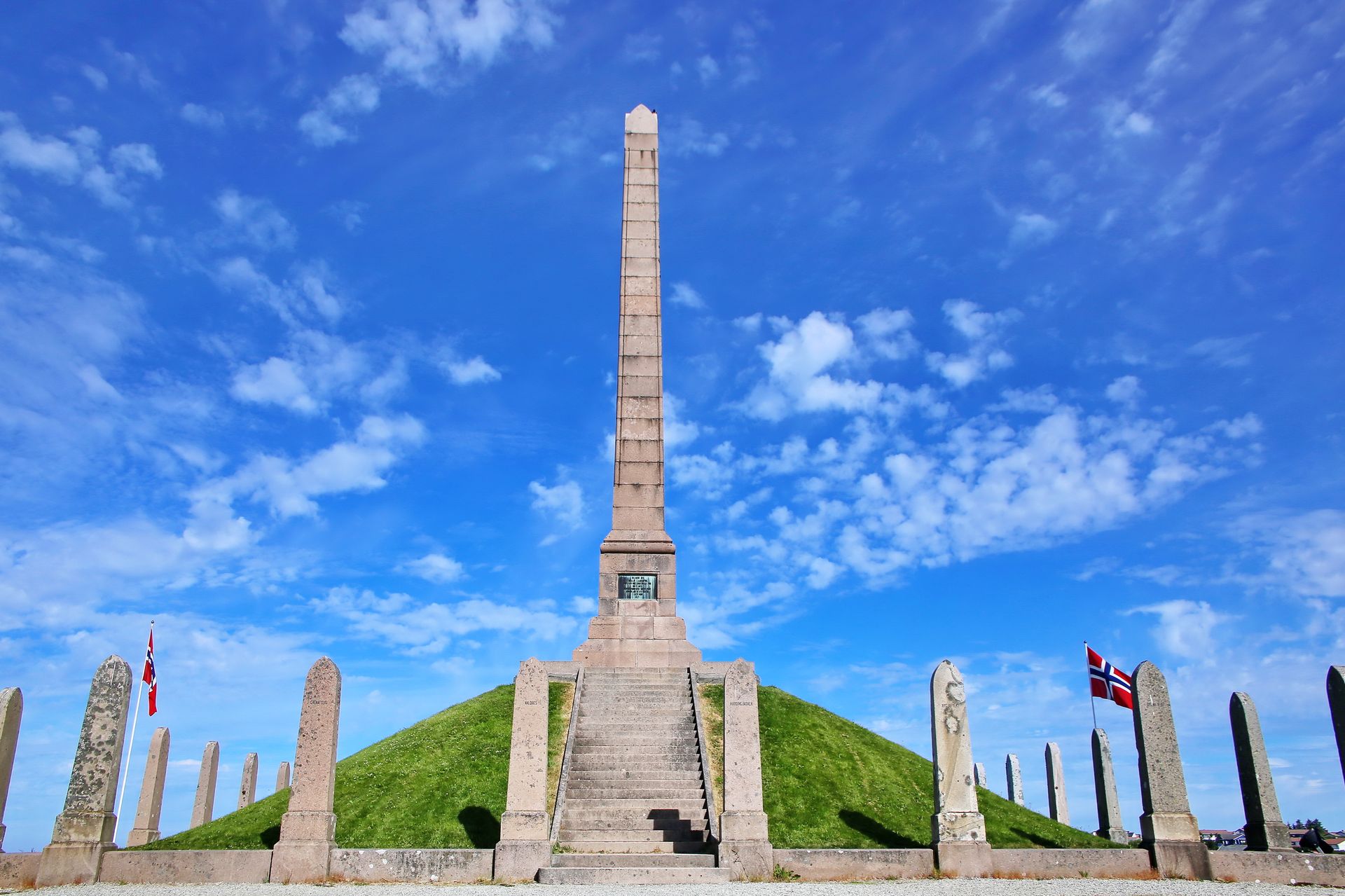
The Andrée Monument in the municipality of Solna, north of Stockholm and surveyed by Atlas Obscura, marks a tragic but heroic chapter in the history of late 19th-century polar exploration. The memorial preserves the story of three men who tried, in 1897, to fly to the North Pole by hydrogen balloon, and of what was found of them afterwards.
Expedition leader Salomon August Andrée was an engineer at the Royal Swedish Academy of Sciences and head of the country's patent office, with a long-standing passion for aerial travel. His plan was to lift off from the Svalbard archipelago in the hydrogen balloon Örnen ("Eagle") and reach the North Pole, 700 kilometres away, on the southerly winds.
The crew was three: Andrée, physicist Nils Strindberg and engineer Knut Frænkel. When they took off on 11 July 1897 from Danskøya at the north tip of Spitsbergen, the international press splashed the story; the expedition had become a symbol of national pride.
Three days later, the crew's last pigeon-borne message arrived: "All goes well." Then silence began. By September 1897 the three men were assumed lost; a rescue mission was organised, but the weather constrained the search.
The truth would remain under the ice for 33 years. In 1930 the Norwegian seal-hunting vessel Bratvaag found, on the shores of White Island (Kvitøya), three bodies, the remains of a balloon and a striking collection of artefacts: the expedition's diary, 200 of Strindberg's photographic negatives, and detailed meteorological notes.
Many of the photographs could be made usable. The images showed how long the crew walked across the frozen terrain after the balloon came down on the first day, dragging their cases until eventually reaching White Island. Strindberg died first, on 8 October 1897; Andrée and Frænkel are thought to have followed in the weeks that followed.
The cause of death is still debated. The pathology reports from Bratvaag's recovery were not conclusive; one hypothesis points to a trichinella infection from polar bear meat consumed by the crew; another to carbon monoxide poisoning from a leaking kerosene stove; a third simply to hypothermia.
The monument in Solna was unveiled in 1930 at the time of the crew's reburial. It was designed by the architect Gunnar Asplund; a granite plinth is inscribed with a line taken from a message by Strindberg's fiancée: "Beloved, you are now truly up high."
Over the years the monument did not become a typical symbol of bravery in flight; it became a marker of the cost of polar exploration. Sweden's 19th-century Arctic expeditions often pushed the limits of their technical and meteorological understanding; the loss of Andrée stands as the most visible reminder of those gaps.
Atlas Obscura highlights that the monument sits close to a historic cemetery in central Solna and is about a 15-minute reach from Stockholm. Andrée, Strindberg and Frænkel still lie together at the nearby Norra begravningsplatsen cemetery; the three graves were placed in a single row at the 1930 funeral.
More from History
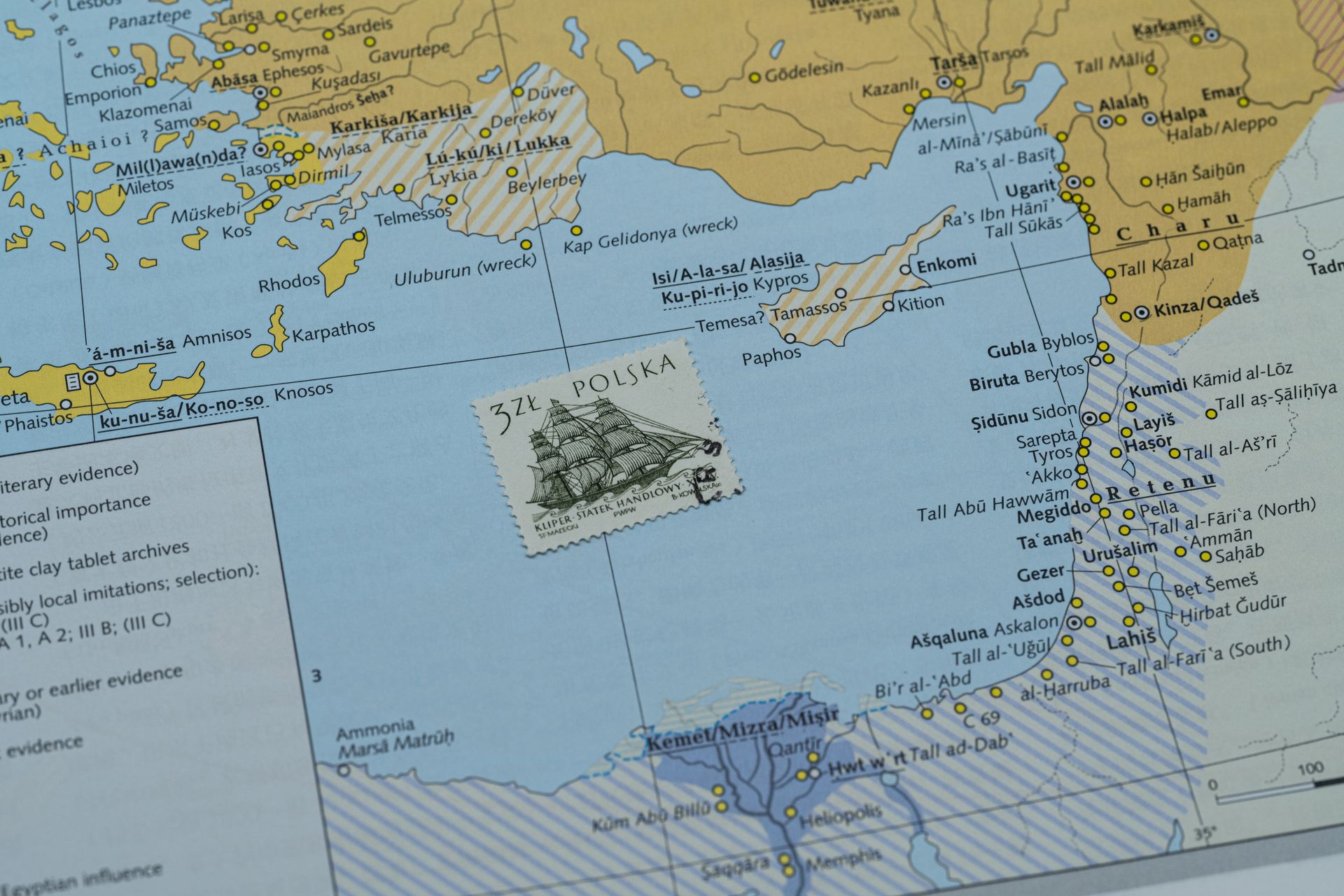
Think the Black Death was bad in Europe? In these countries it was even worse
A new HistoryExtra feature examines the historiography showing the 14th-century Black Death hit Egypt, Syria and Palestine harder than parts of Europe. Cairo is estimated to have lost more than half of its population, and the Mamluk economy was shaken in ways that took the century to absorb.
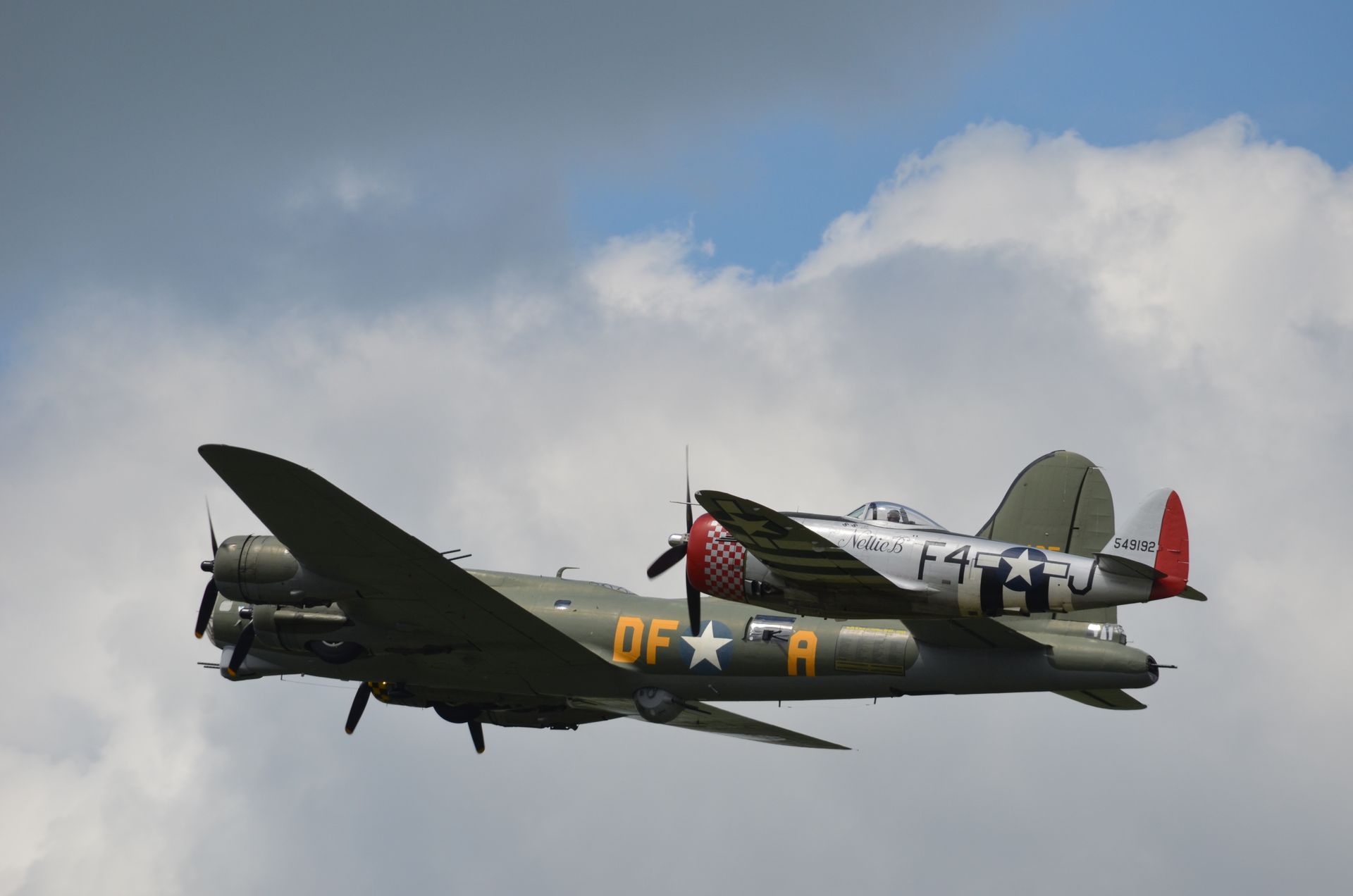
The women's work that made D-Day a success
HistoryExtra's feature marking the 82nd anniversary of D-Day argues that the Normandy landings rested on thousands of women: codebreakers, aircraft builders, naval instructors and logistics officers. Historian Lucy Betteridge-Dyson calls women "the backbone of the war economy".
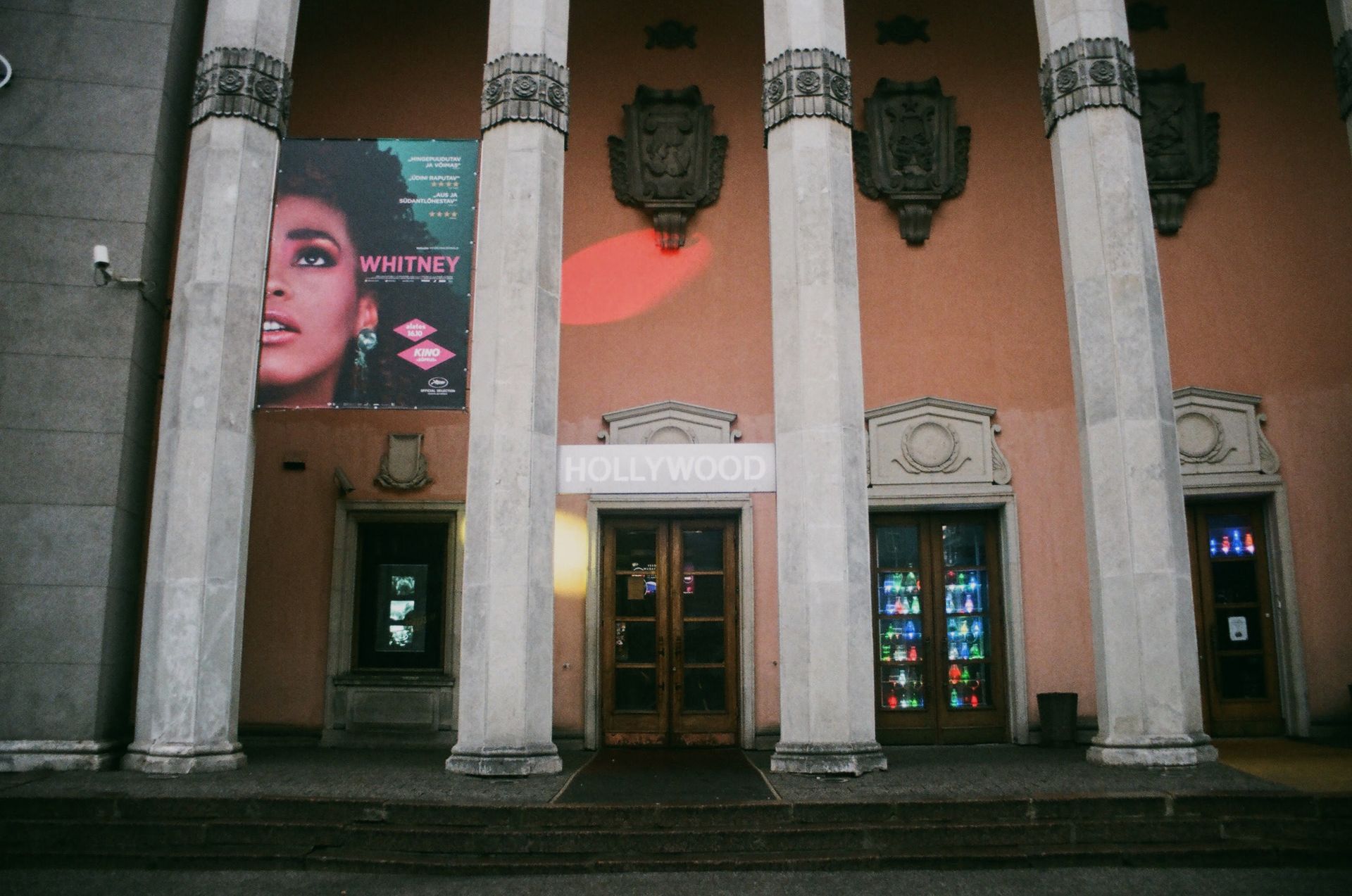
The self-made side of Marilyn Monroe: Lucy Bolton looks beyond the stereotype
Speaking on a HistoryExtra podcast, academic Lucy Bolton challenges the long-standing 'dumb blonde' stereotype around Marilyn Monroe and highlights the actress's ambition and professional discipline in building her own career. The conversation also opens up a broader academic question about how Hollywood biographies are written.