Think the Black Death was bad in Europe? In these countries it was even worse
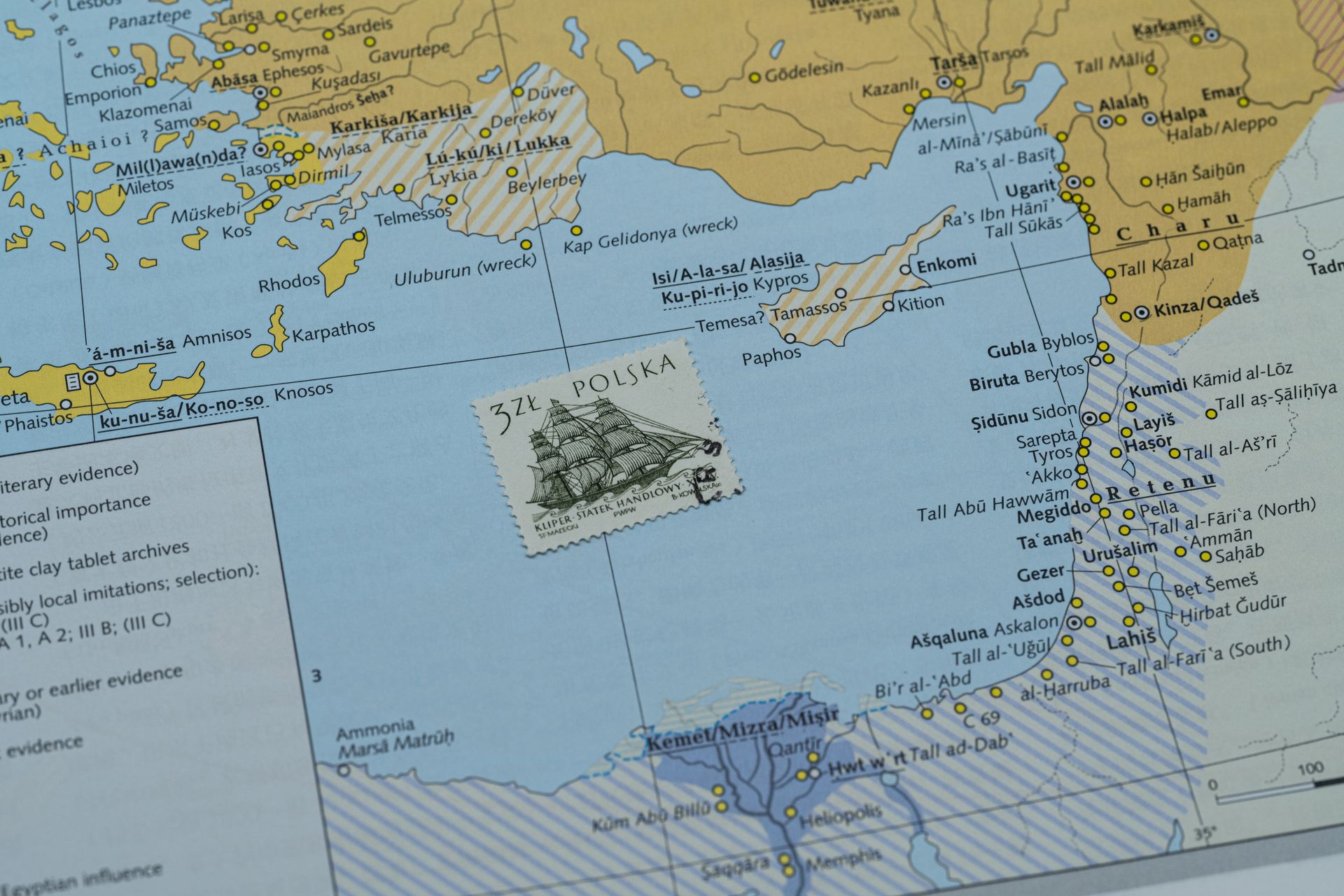
The Black Death, caused by the Yersinia pestis bacterium in the 14th century, occupies the dominant image in history textbooks because it carried off roughly a third of Europe's population. But HistoryExtra's new feature examines how 30 years of historiography reveals that the impact was even more devastating in the southern and eastern Mediterranean.
The feature looks at the population losses in Mamluk Egypt and 14th-century Syria, Palestine and the Hejaz. Historian Stuart Borsch's analysis of tax records from UK and Egyptian archives suggests that Cairo's population may have fallen from about 500,000 in 1340 to below 200,000 by 1400.
The impact was not limited to human loss. The canal-irrigation system that formed the backbone of Cairo's infrastructure required annual maintenance. When the adult workforce collapsed, the system slowly degraded; grain production and city water supply remained constrained for the next century.
Specialist historian Ronnie Ellenblum wrote of the Egyptian case: "In Europe the economy recovered a generation after the Black Death. In Egypt, the only sector that was not affected was the tax on the gold mines. Everything else remained on a falling trend for a century."
In Syria and Palestine, population losses at urban centres such as Damascus and Aleppo are estimated at around 40%. Ibn Battuta's travelogue notes that on entering Damascus in 1349 he found "empty streets"; this observation lines up with the Mamluk tax registers of the period.
The damage in the eastern Mediterranean also helped shift trade routes north-west. With the old corridor through Mamluk Egypt to the Indian Ocean in decline, Genoese and Venetian merchants moved toward alternative routes via the Black Sea and the Adriatic.
The feature reminds readers that the impact of the Black Death in Europe also varied dramatically between countries. East Anglia, in England, recorded losses of around 60%, and Italy's Po Valley nearly 80%. In contrast, the impact around Krakow in Poland remained at about 15-20%.
The scale of losses is linked to local hygiene conditions, population density and the intensity of trade movement. HistoryExtra notes that urban areas typically lost twice as much as rural ones — a pattern that matches the Cairo-Egyptian countryside comparison.
In other parts of Africa the record is less clear. Timbuktu chronicles from the Mali Empire mention a plague wave in the 1340s but the case-count estimates are debated. In Ethiopia, post-Aksumite chronicles describe a dramatic population fall in the 14th century; this record is often cited as one of the strongest indicators of the Black Death's reach into sub-Saharan Africa.
The HistoryExtra feature closes by considering why the European image of the Black Death became the dominant narrative. Local archives in the southern and eastern Mediterranean were preserved under less favourable conditions, and Europe-centred historiography did not fill the gap throughout the modern era. The work of historians such as Borsch and Ellenblum over the past 30 years is rebalancing that picture.
More from History
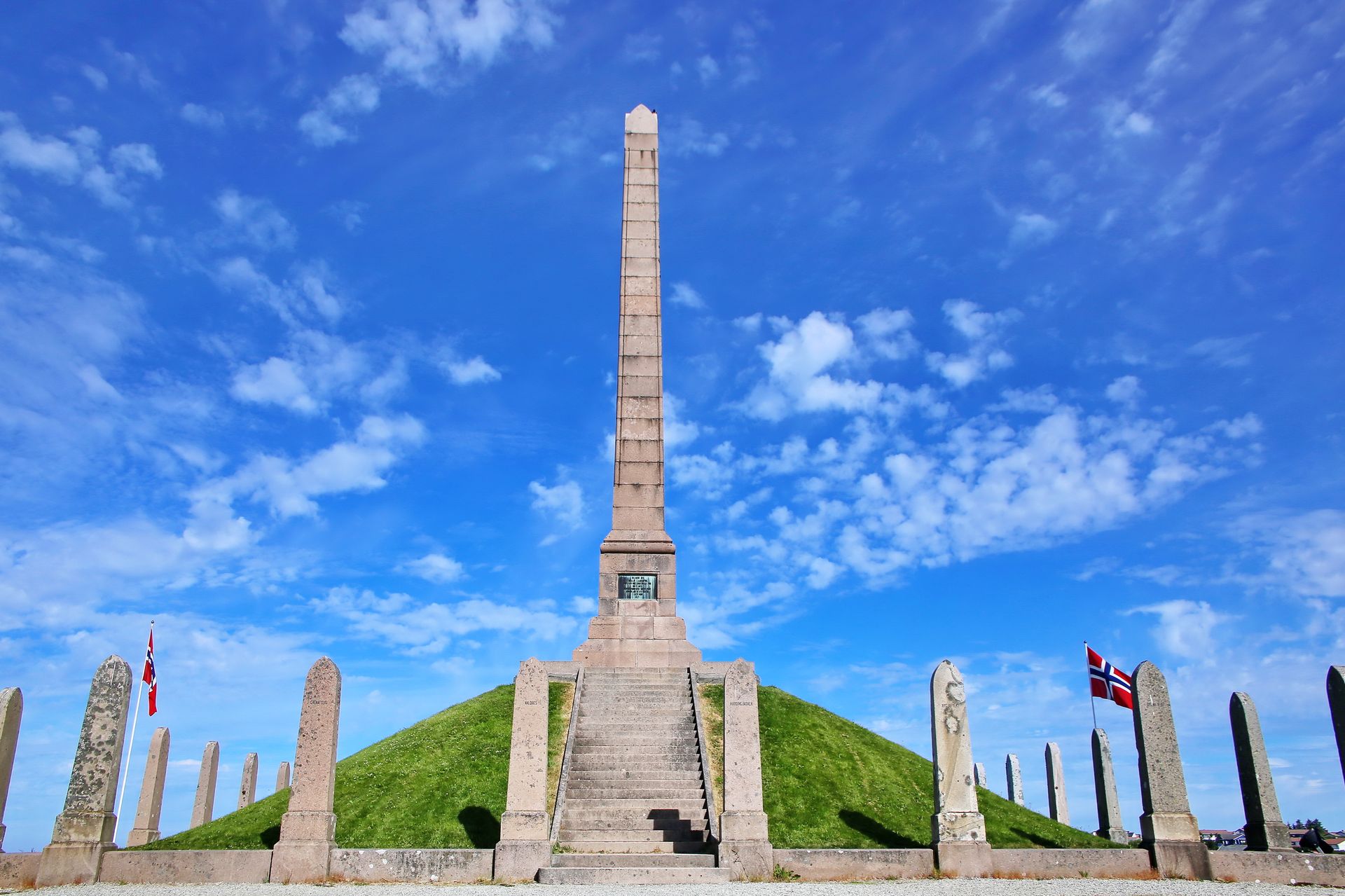
The Andrée Monument in Solna: the brave and tragic legacy of an Arctic balloon expedition
The Andrée Monument north of Stockholm in Solna commemorates Salomon August Andrée and his crew, who tried to fly a hydrogen balloon to the North Pole in 1897 and died on White Island three days later. The Royal Swedish Academy of Sciences engineer's body was found in the ice 33 years afterwards.

The women's work that made D-Day a success
HistoryExtra's feature marking the 82nd anniversary of D-Day argues that the Normandy landings rested on thousands of women: codebreakers, aircraft builders, naval instructors and logistics officers. Historian Lucy Betteridge-Dyson calls women "the backbone of the war economy".

The self-made side of Marilyn Monroe: Lucy Bolton looks beyond the stereotype
Speaking on a HistoryExtra podcast, academic Lucy Bolton challenges the long-standing 'dumb blonde' stereotype around Marilyn Monroe and highlights the actress's ambition and professional discipline in building her own career. The conversation also opens up a broader academic question about how Hollywood biographies are written.