Curse of the copycats: inside history's biggest plagiarism scandals

The thin line between creativity and imitation has been a subject of debate throughout human history. In a broad survey compiled by HistoryExtra, the best-known plagiarism scandals in literature, science and art are revisited. These scandals are not just matters of individual reputation; they open important windows on how the concept of intellectual property has evolved.
According to HistoryExtra, one of the earliest examples in plagiarism debate is the case of William Shakespeare and Christopher Marlowe. In late sixteenth-century London, parallels between the two playwrights' lines caught the attention of contemporary literary critics. Modern scholars emphasise that borrowing among Renaissance playwrights was a cultural practice quite different from today's notion of plagiarism. Even so, the Shakespeare-Marlowe relationship is regarded as one of the starting points of debates about originality in literary history.
One of the most famous plagiarism disputes in the history of science is the question of the invention of calculus between Isaac Newton and Gottfried Wilhelm Leibniz. According to HistoryExtra, it is now accepted that differential and integral calculus, a major late seventeenth-century mathematical discovery, was developed independently by the two scientists. But at the time Newton implied that Leibniz had stolen from him, while Leibniz emphasised his own earlier publication. The committee the Royal Society set up to settle the dispute, having been steered by Newton himself, gave a verdict that is still debated by historians today.
Among twentieth-century literary scandals, one frequently cited is the real-life story alleged to have inspired Daniel Defoe's Robinson Crusoe. HistoryExtra writes that the Scottish sailor Alexander Selkirk, abandoned alone on an island for four years in 1704, has long been argued to be the basis for Defoe's novel. Defoe published the book years after Selkirk's story but never directly cited his experience. That is an ongoing debate over the limits of literature drawing from real events.
In the visual arts, well-known plagiarism debates include the direct influence of African art on Pablo Picasso, one of the leading figures of twentieth-century modernism. According to HistoryExtra, when Picasso painted Les Demoiselles d'Avignon in 1907 he drew inspiration from African masks he had seen at the ethnographic museum in Paris. Modern critics say that this inspiration, without sufficient acknowledgement, can also be read as colonial-era cultural appropriation. It is one of the starting points of the twenty-first century's debates about cultural appropriation.
There are similar scandals in the history of music. HistoryExtra noted that the Mozart-Salieri rivalry has long been portrayed as fiction; in real history, the two composers' borrowings need to be considered within the practical styles of the era. In twentieth-century popular music, the similarities between George Harrison's My Sweet Lord and He's So Fine were treated in US courts in 1976 as one of the first examples of "subconscious plagiarism". That case played an important role in shaping modern copyright law.
Among late twentieth-century academic plagiarism scandals, the case of former German Defence Minister Karl-Theodor zu Guttenberg, forced to resign in 2011 over allegations of extensive plagiarism in his doctoral thesis, stands out. HistoryExtra writes that the case shows how academic plagiarism detection became a tool of the social media era. "GuttenPlag Wiki", an online volunteer review, identified hundreds of pages of unattributed use. It is an important example of how social media tools have fundamentally changed academic ethics oversight.
In the scientific community, one of the most discussed recent cases is the resignation of Stanford University's former president Marc Tessier-Lavigne in 2023 over research misconduct allegations. HistoryExtra writes that even though the case was characterised as data manipulation rather than direct plagiarism, it shows how permeable the boundaries between scientific ethics and intellectual property can be. Modern scientific publishing is now under much tighter scrutiny than in the past thanks to plagiarism detection tools.
The digital age has added a new dimension to plagiarism debates. According to HistoryExtra, the training data of artificial intelligence language models contain millions of copyrighted books and articles. Writers and publishers are filing lawsuits asking whether the outputs of these models should be considered "imitations" of original works. That is a new layer of debate in which the concept of plagiarism is being extended into machines in the twenty-first century.
The broader message, as HistoryExtra frames it, is that plagiarism is a concept redefined in every era. Where in Shakespeare's era borrowing was an acceptable practice, modern academia operates a zero-tolerance policy. In the age of AI, how the concept of plagiarism extends from humans to machines remains uncertain. HistoryExtra notes that the survey aims to bring historical depth to that ongoing debate.
Read next

St George's Guildhall in Norfolk: one of England's oldest surviving medieval guild buildings
Atlas Obscura profiles St George's Guildhall in the Norfolk town of King's Lynn, England, which has stood since the fourteenth century. It is also known as the only surviving medieval building in which Shakespeare is believed to have performed.

Save the home or save the pub? How Northampton's 1675 fire forced a strange choice
HistoryExtra revisits the Great Fire of Northampton in 1675, when the town that suddenly faced ruin had to choose between saving private homes and saving its pubs. The episode sheds light on the early origins of modern fire-fighting and insurance.
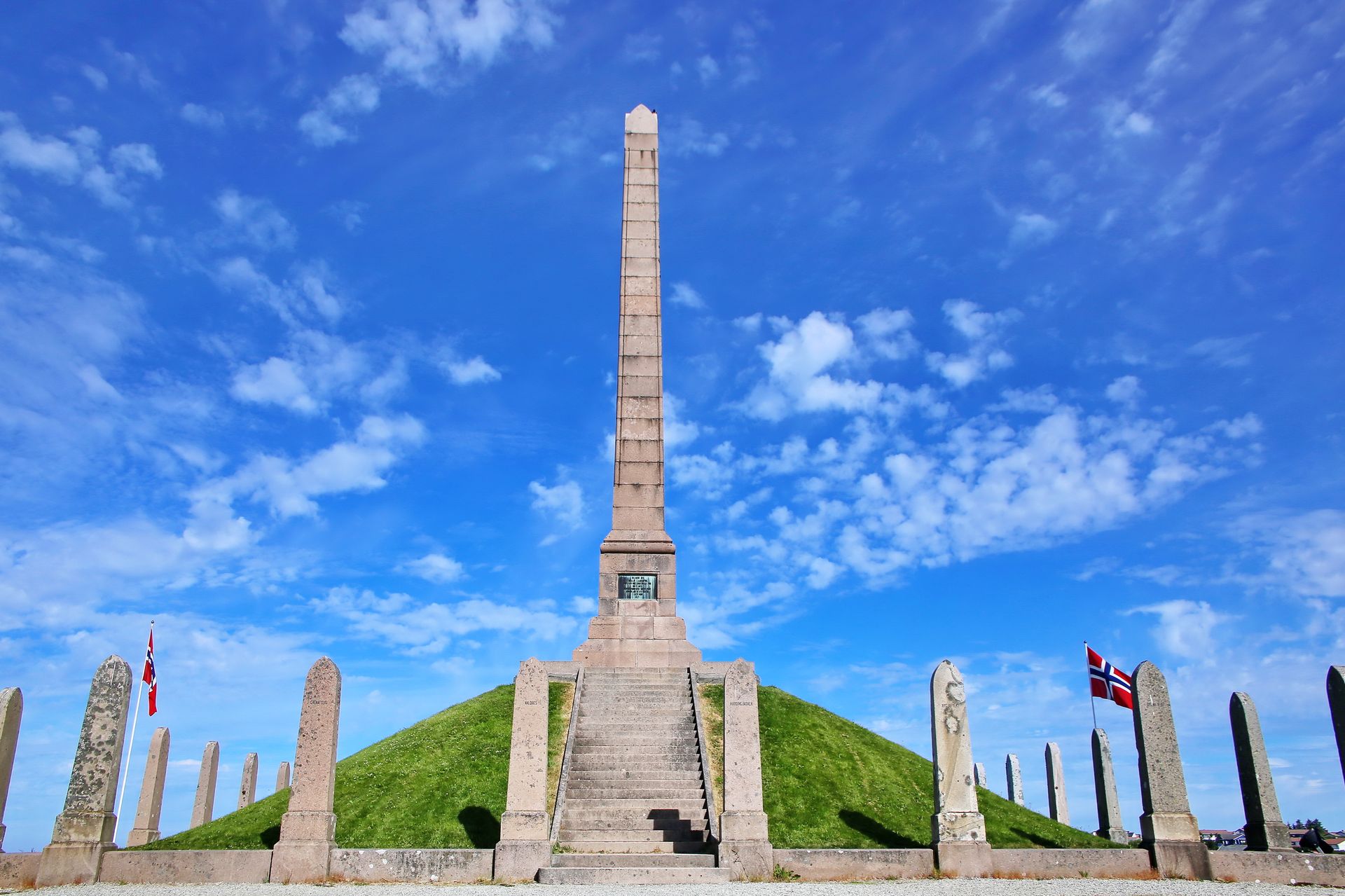
The Andrée Monument in Solna: the brave and tragic legacy of an Arctic balloon expedition
The Andrée Monument north of Stockholm in Solna commemorates Salomon August Andrée and his crew, who tried to fly a hydrogen balloon to the North Pole in 1897 and died on White Island three days later. The Royal Swedish Academy of Sciences engineer's body was found in the ice 33 years afterwards.
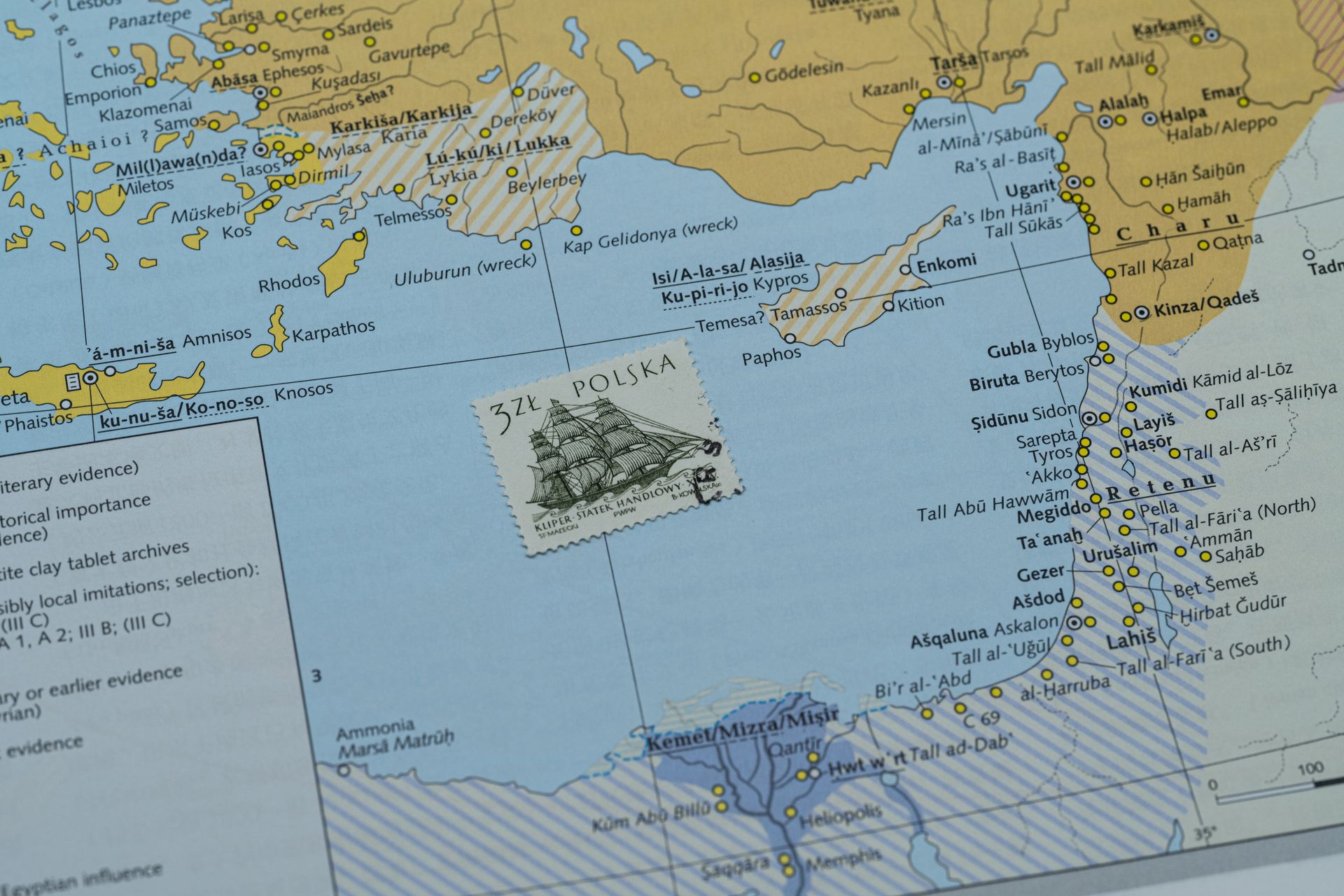
Think the Black Death was bad in Europe? In these countries it was even worse
A new HistoryExtra feature examines the historiography showing the 14th-century Black Death hit Egypt, Syria and Palestine harder than parts of Europe. Cairo is estimated to have lost more than half of its population, and the Mamluk economy was shaken in ways that took the century to absorb.

The women's work that made D-Day a success
HistoryExtra's feature marking the 82nd anniversary of D-Day argues that the Normandy landings rested on thousands of women: codebreakers, aircraft builders, naval instructors and logistics officers. Historian Lucy Betteridge-Dyson calls women "the backbone of the war economy".
