Save the home or save the pub? How Northampton's 1675 fire forced a strange choice

When we think of the origins of modern fire-fighting and insurance, our minds usually turn first to the Great Fire of London in 1666. HistoryExtra revisits a less well-known but historically important episode in the small-town life of Stuart England: the great fire of Northampton in 1675, which almost completely destroyed the town centre. The fire put the townspeople before a strange choice: did they want to save their homes, or their pubs?
According to HistoryExtra, the fire began in a baker's shop in the autumn of 1675 and spread within hours to the heart of Northampton. The town then consisted of wooden-roofed houses, narrow streets and organic urban growth; there was no architectural measure to keep a single spark from devouring a vast area. Without an organised fire service, fighting the blaze fell to the residents. Water pumping equipment was primitive, and hand-passed buckets were the main method.
The magazine notes that the town centre was the home of its most important commercial buildings: the pubs. These buildings were not just places where alcohol was served, but post stops, news hubs, deal-making sites and political debating rooms. Northampton's economy revolved largely around these pubs; losing one was not just losing a building but seeing an economic network collapse. As the fire approached, it was time to ask which buildings should take priority.
HistoryExtra writes that the choice made may surprise modern readers: a significant share of townspeople chose to save the pubs rather than their own homes. The pubs were treated as buildings that symbolised the town's economic vitality; a home could be rebuilt, but a profitable commercial node lost would take years to recreate. That pragmatic logic opens an important window onto how small-town economies functioned in the Stuart era.
By the end of the fire, roughly two-thirds of the town had been reduced to ash and close to seven hundred families were left homeless. According to HistoryExtra, Northampton entered a reconstruction process that lasted for years after the fire. That process also reshaped the town's architectural identity. Streets were widened, brick and tile replaced wooden roofs by ordinance, and fire safety was deliberately considered in architectural design. It marked one of the early signs of the birth of modern urban planning.
The financial consequences ran deep as well. HistoryExtra writes that most of the townspeople faced ruin after the fire, but the Crown issued extraordinary relief bulletins. King Charles II appointed special committees to organise the aid; those committees can be read as early examples of modern disaster relief systems. Over the same period, the emergence of private insurance companies in London began to lay the groundwork for individual financial protection against disasters such as fire.
The Northampton fire echoed in the political debates of the period. According to HistoryExtra, Parliament passed new legislation regulating fire protection across the country. Standardisation of roof construction materials, the mandatory installation of water wells in towns, and the creation of voluntary fire brigades were among the important components of those laws. They are a milestone in the historical roots of modern public safety regulation.
The cultural legacy of the fire is also important. When Northampton was rebuilt after the destruction, the new architecture showed a Dutch influence. Dutch engineers and architects were known as the leaders of fire-safe construction techniques of the era. HistoryExtra writes that this international exchange of knowledge also reflected the economic openness of Stuart-era England. The fire was the beginning not of a town's disappearance but of its transition to a different era.
Today very little of the pre-fire architecture remains in Northampton. The town centre has a profile dominated by buildings constructed in the late seventeenth century. HistoryExtra writes that those buildings are "a living museum of Stuart-era urban planning thinking" and that visitors to the town can read post-fire decisions directly from the street patterns.
The broader message, as HistoryExtra frames it, is that small-town history is sometimes more instructive than that of large cities. The townspeople of Northampton, through the decisions they made in the face of fire, also expressed an economic philosophy: a home is private property, but the pub is a node in the shared economic network. That balance, according to the magazine's writer, offers a concise summary of the pragmatic civic mindset of Stuart-era England.
Read next

St George's Guildhall in Norfolk: one of England's oldest surviving medieval guild buildings
Atlas Obscura profiles St George's Guildhall in the Norfolk town of King's Lynn, England, which has stood since the fourteenth century. It is also known as the only surviving medieval building in which Shakespeare is believed to have performed.

Curse of the copycats: inside history's biggest plagiarism scandals
HistoryExtra surveys the biggest plagiarism scandals in the history of literature, science and art. From Shakespeare to Newton, accusations of intellectual borrowing have remained a persistent part of cultural memory.
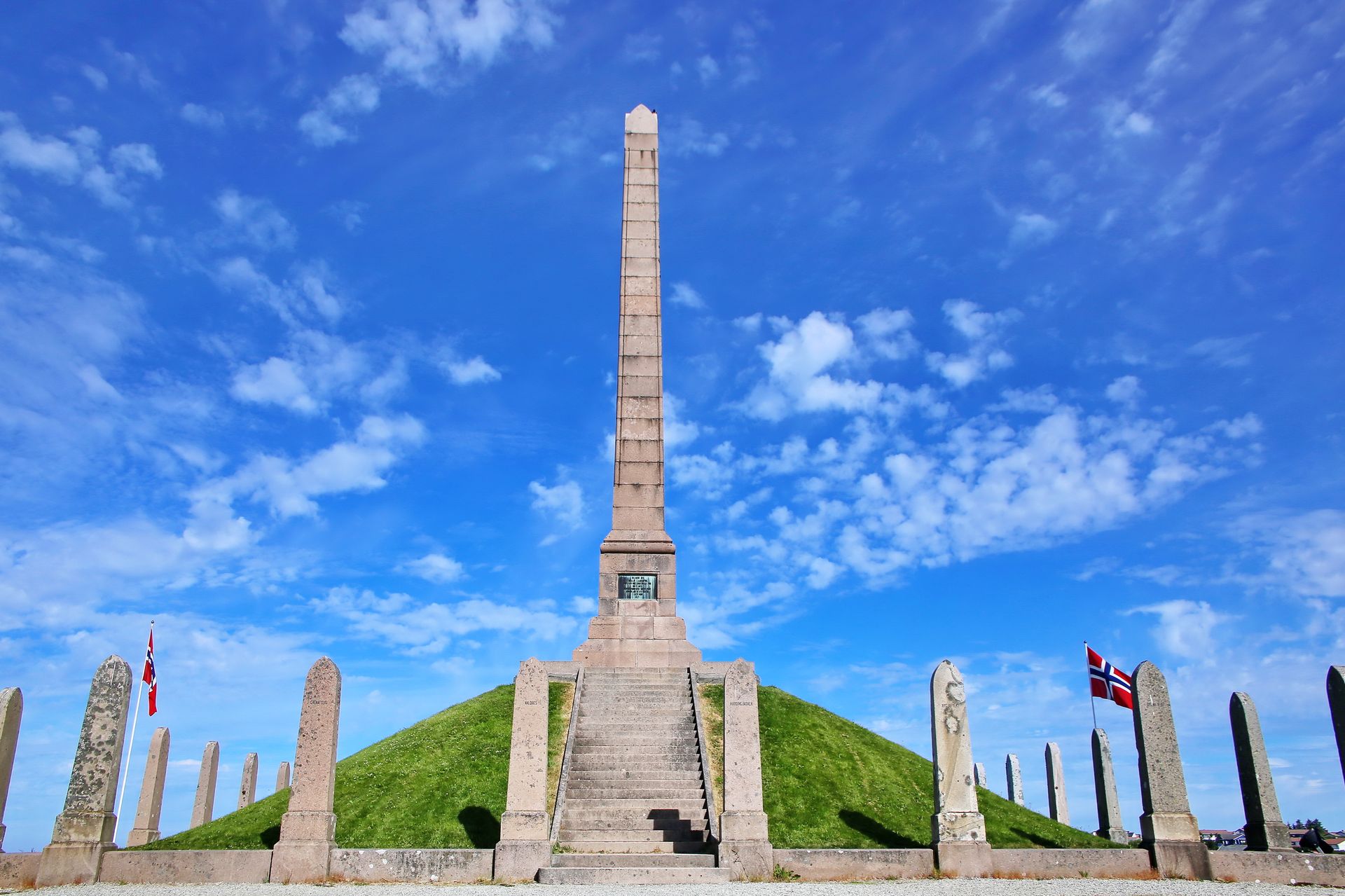
The Andrée Monument in Solna: the brave and tragic legacy of an Arctic balloon expedition
The Andrée Monument north of Stockholm in Solna commemorates Salomon August Andrée and his crew, who tried to fly a hydrogen balloon to the North Pole in 1897 and died on White Island three days later. The Royal Swedish Academy of Sciences engineer's body was found in the ice 33 years afterwards.
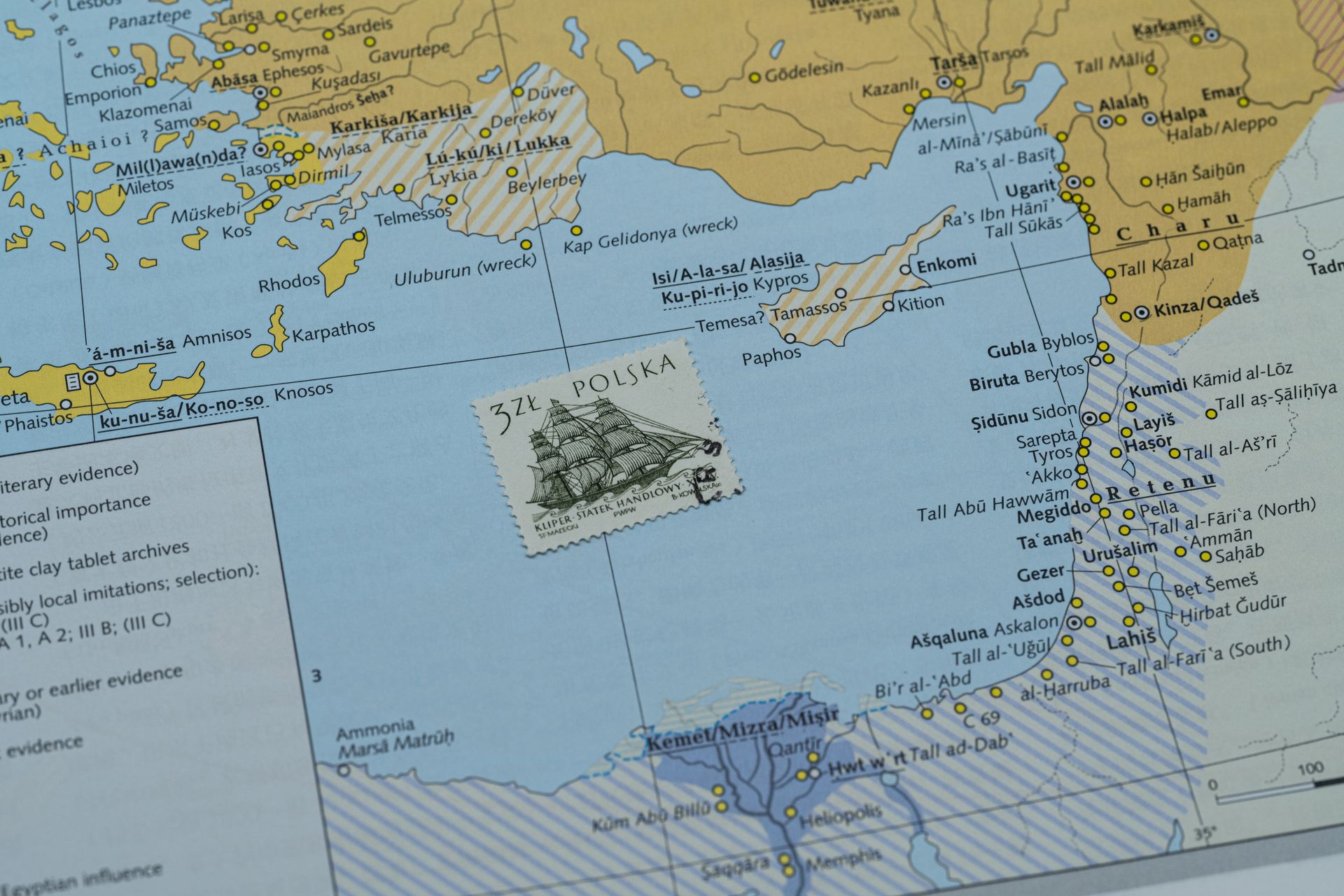
Think the Black Death was bad in Europe? In these countries it was even worse
A new HistoryExtra feature examines the historiography showing the 14th-century Black Death hit Egypt, Syria and Palestine harder than parts of Europe. Cairo is estimated to have lost more than half of its population, and the Mamluk economy was shaken in ways that took the century to absorb.

The women's work that made D-Day a success
HistoryExtra's feature marking the 82nd anniversary of D-Day argues that the Normandy landings rested on thousands of women: codebreakers, aircraft builders, naval instructors and logistics officers. Historian Lucy Betteridge-Dyson calls women "the backbone of the war economy".
