Ioannina's Ali Pasha Museum: the Greek War of Independence remembered on a lake island
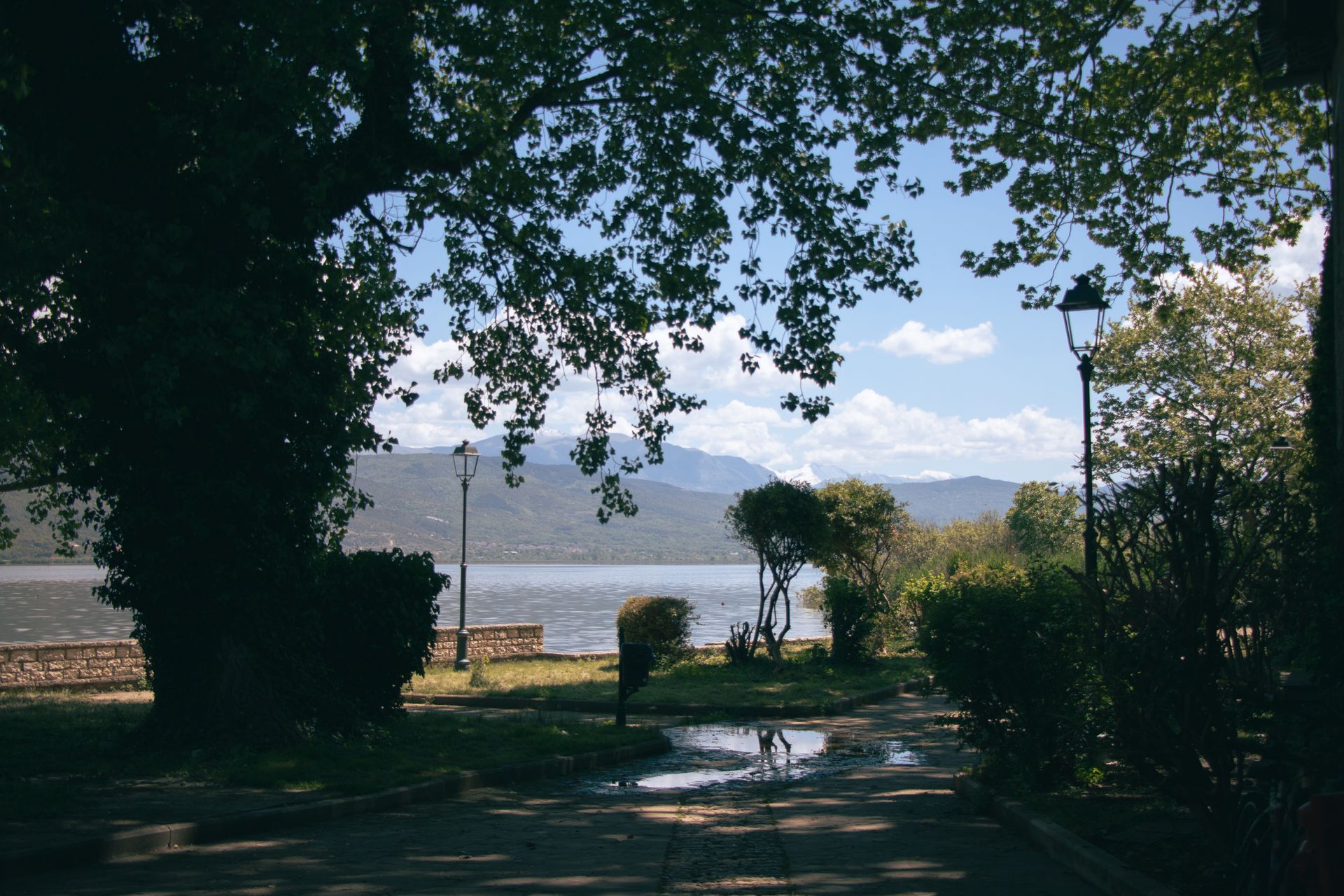
The town of Ioannina, in north-western Greece, sits on the shore of Lake Pamvotis and stands as a historic centre. On a small island in the middle of the lake — reported by Atlas Obscura — there is a relatively little-visited museum: the Ali Pasha and Revolutionary Period Museum. It preserves the memory of the deep political transformation the region experienced at the start of the nineteenth century.
Who was Ali Pasha? Born around 1740 in Tepelenë, Ali Pasha of Tepelenë became one of the most powerful semi-autonomous administrators of Ottoman rule in the region. From 1788 he ruled a pashalik centred on Ioannina and, in a period when central Ottoman authority was weakening, governed the southern Balkans almost as an independent state. He maintained marked relationships with British and French diplomats.
The museum itself is housed inside the former Saint Panteleimon Monastery on the small island. According to historic records, the monastery was built in the sixteenth century and is remembered as the place where Ali Pasha spent his final days. Atlas Obscura reports that the museum's exterior shows stone craftsmanship of the classical Byzantine-Ottoman transition period and that the interior is cross-vaulted.
What does the museum hold? According to Atlas Obscura, the collection includes Ali Pasha's personal items, early-nineteenth-century weapons, uniforms, a coin sequence showing the evolution of the currency, Ottoman documents of the period and letters of Greek War of Independence leaders. The museum also exhibits local costumes and jewellery from regional folk traditions.
Ali Pasha's political trajectory was complex. Until 1820 he was recognised by the Ottoman state as governor of Ioannina. But when relations with Istanbul soured politically, Sultan Mahmud II sent a military campaign into the region. Ali Pasha kept resistance going at Ioannina through negotiations during the 1820 to 1822 siege; in January 1822 he was killed by an Ottoman envoy at the very monastery now converted into the museum.
The link to the Greek War of Independence is important. Ali Pasha's resistance to central Ottoman rule, carrying into the 1820s, overlapped in time with the Greek War of Independence that began in the same period. Some historians — including modern Greek-history specialists such as Richard Clogg — argue that Ali Pasha's resistance pinned Ottoman troops in western Greece and made the early successes of the Greek insurgents in the Morea possible. This interpretation remains debated among historians.
How is the small island reached? Regular small boats leave Ioannina's shore for the 10-minute crossing. The island also holds several monasteries of different centuries, a coffee-house and small tavernas serving traditional cuisine. The island's atmosphere is quiet and lit by the lake's reflections — a retreat-like space rather than a crowded tourist site.
Lord Byron's visit to Ioannina adds an interesting note to the museum's narrative. The English poet met Ali Pasha at Ioannina in 1809 and left a detailed account of the meeting in "Childe Harold's Pilgrimage." Byron's admiration for Ali Pasha and his later participation in the Greek War of Independence show how foreign literature framed the period. The museum displays a digital copy of Byron's handwriting in one corner.
From a broader Balkan-history perspective, Ioannina developed as a centre of plural culture with Muslim Ottoman, Orthodox Greek and Sephardic Jewish communities. The museum's collection reflects that plural identity and does not elevate any single national narrative above the others. Atlas Obscura notes that the museum therefore offers Turkish and Greek visitors different but complementary perspectives.
The practical take-away for Vesper readers is that Ioannina is about three hours from Thessaloniki and not on the Istanbul-Athens flight route. But for readers travelling from Türkiye, the region is one of the rare places where the joint Ottoman-Greek history can be read on site. The fortress of Ioannina, the Ali Pasha museum and the lakeside streets preserve a tangible memory of the Tepelenë era. Autumn and spring — without summer's crowds or winter's cold — are the best months for a visit.
Read next
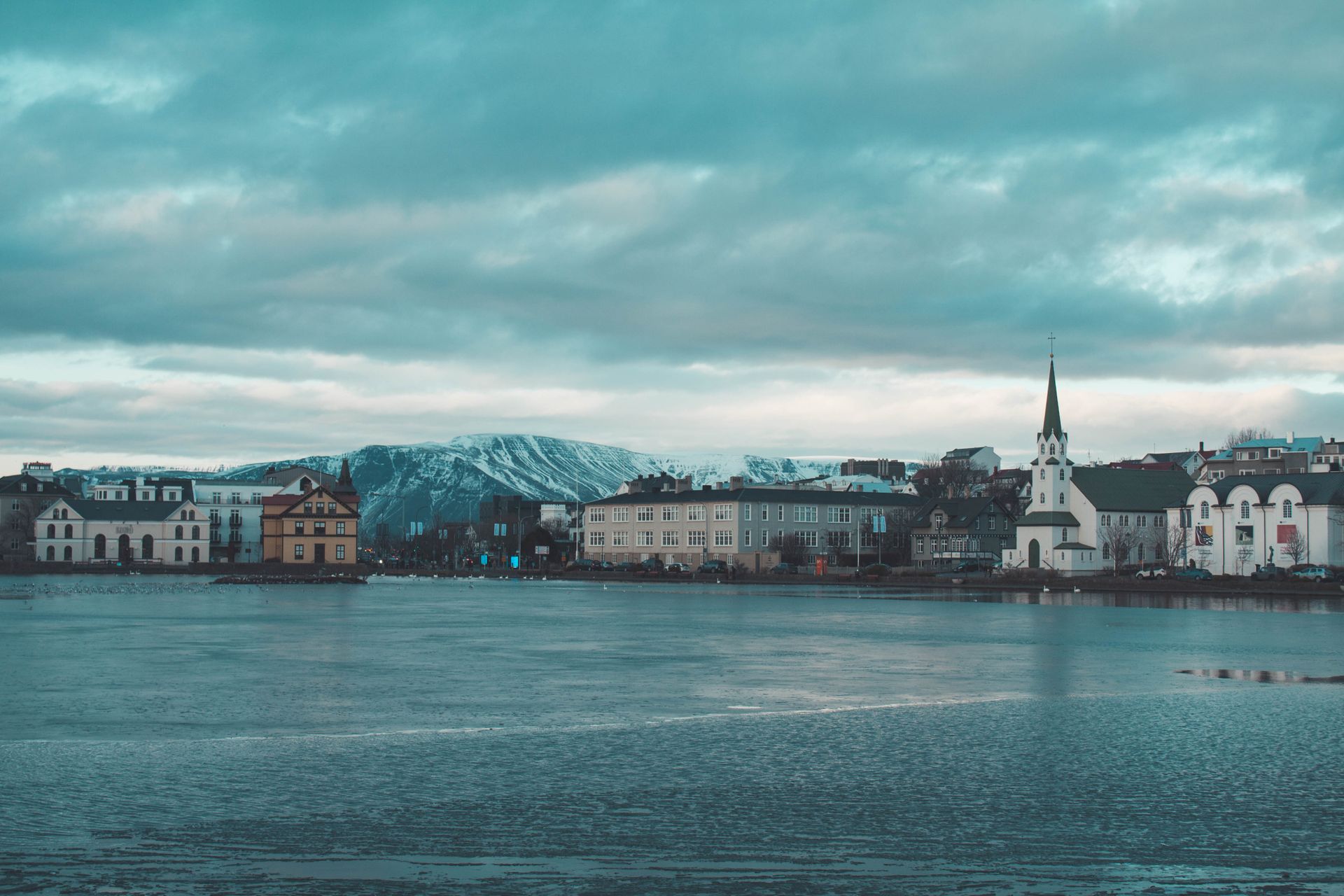
Skúli Magnússon: the statue that remembers Reykjavík's founding figure
In Reykjavík's pre-modern history, Skúli Magnússon stands out as an Icelandic administrator and thinker who, in the mid-eighteenth century, pushed forward ideas for economic reform. Atlas Obscura sets out the history of the statue at the centre of the capital and the legacy of his reforms.
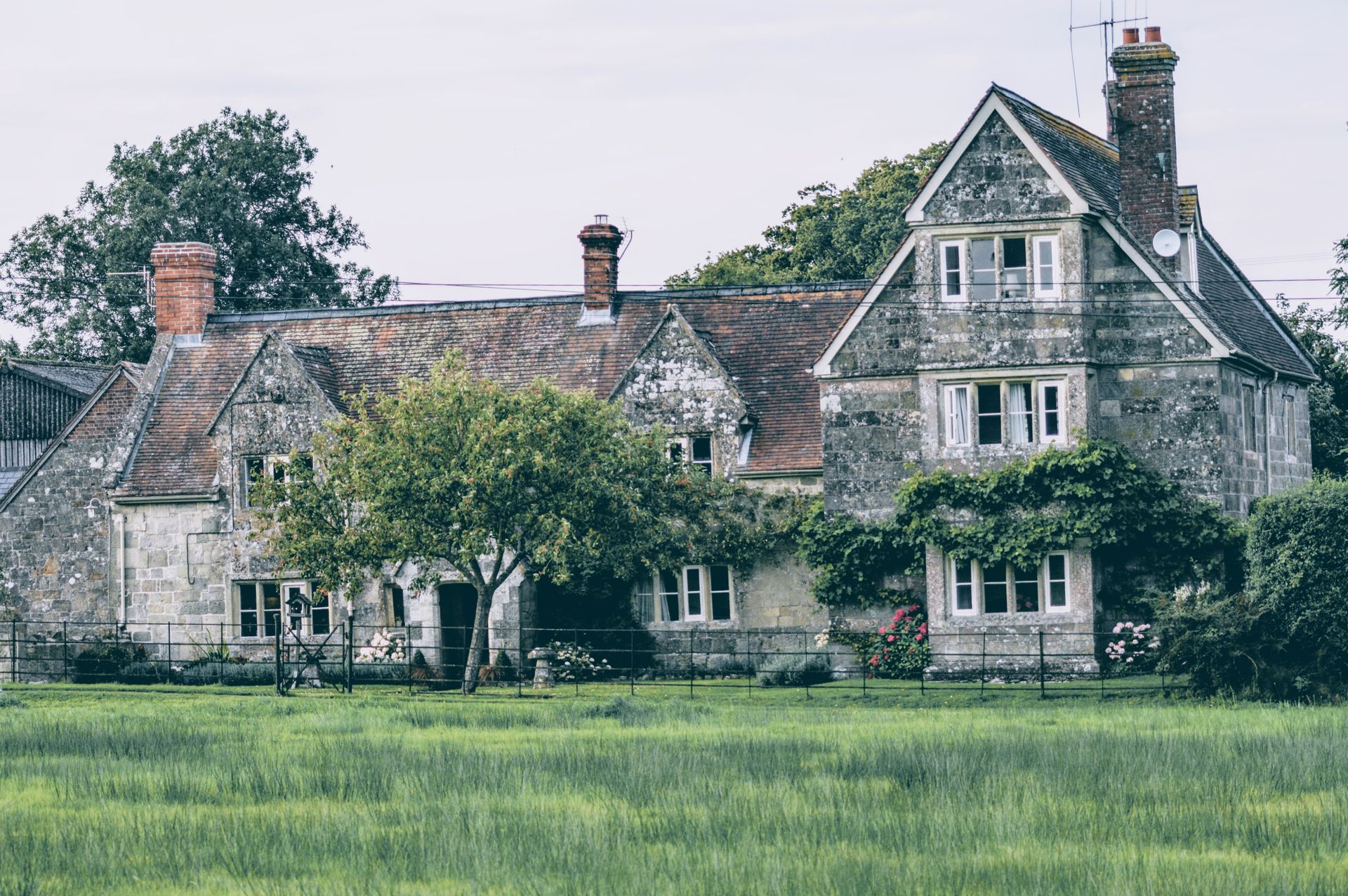
Jane Austen's final years: the less-known period of a literary genius
In the last three years before her death at age 41, Jane Austen left two completed novels and one unfinished work. The podcast reported by HistoryExtra traces the writer's Chawton and Winchester years, the course of her illness and her lasting literary legacy.
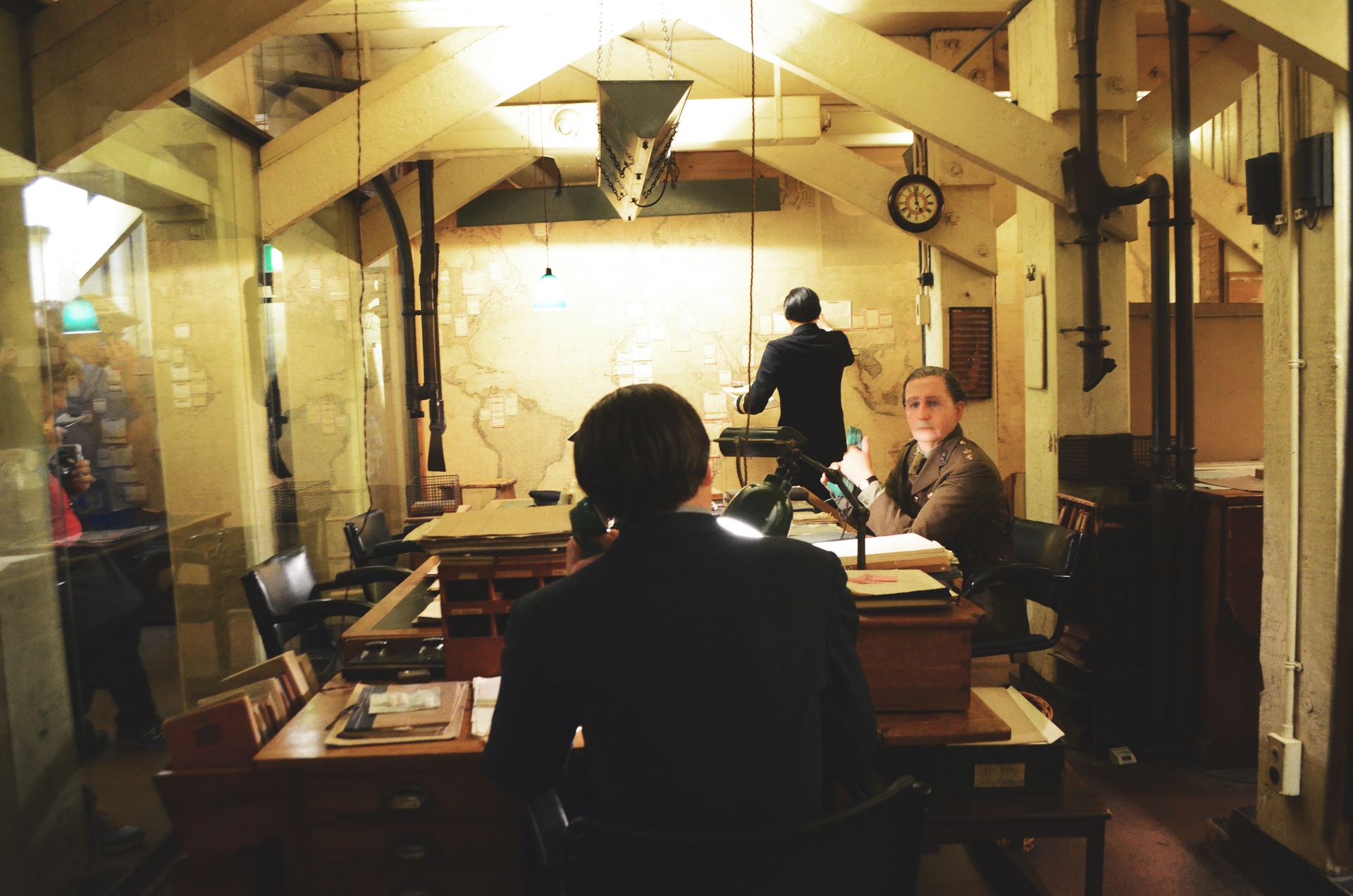
Winston Churchill's toughest decision: the choice historians still debate
Which of Winston Churchill's wartime decisions weighed heaviest is a question historiography has yet to settle. In a HistoryExtra podcast discussion, three different historians point to different decisions; Mers-el-Kébir, the coal-mining call and the Bengal famine sit at the centre.
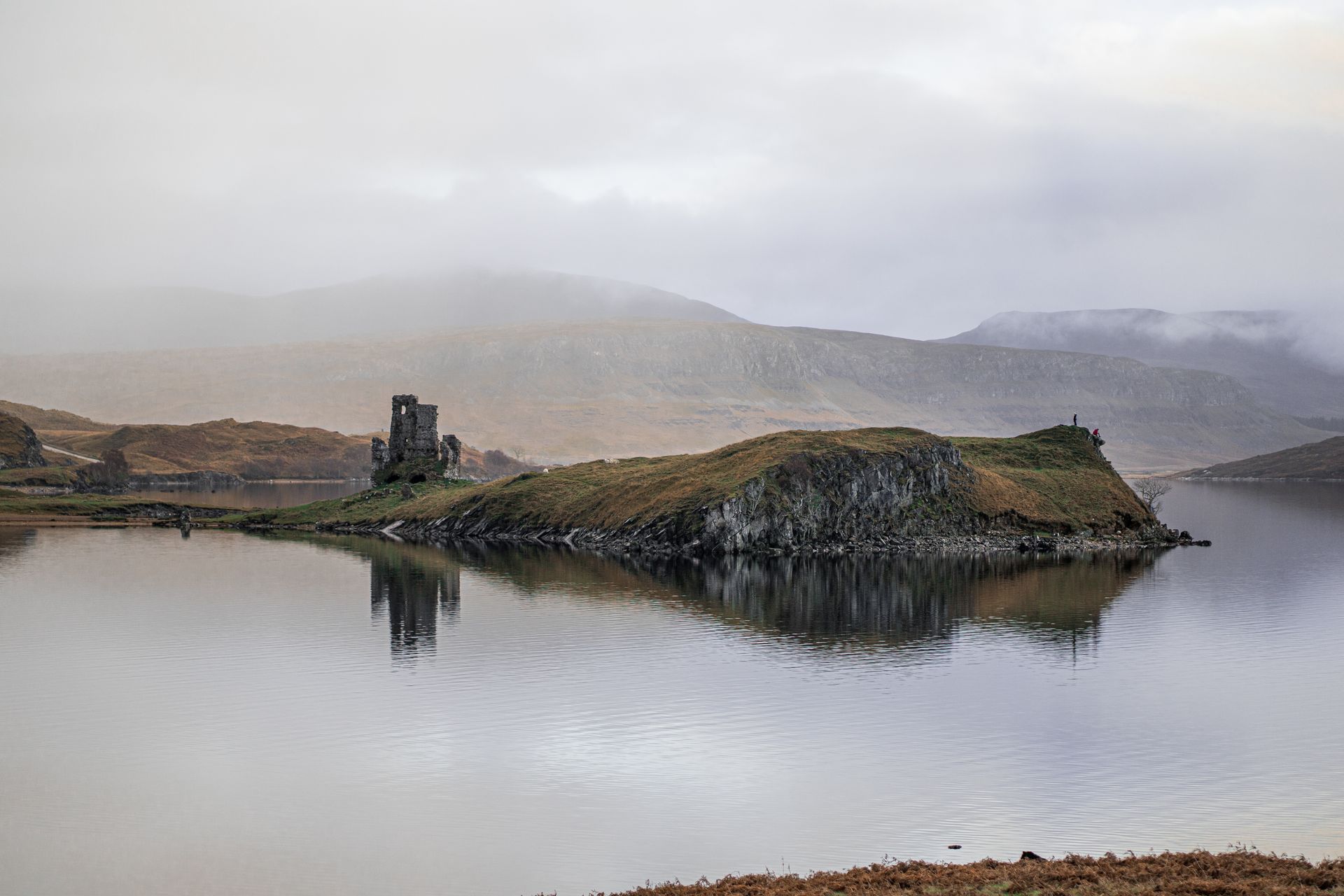
Loch Doon Castle: a medieval Scottish stronghold moved stone by stone in the 20th century
In south-west Scotland, Loch Doon Castle is known not as a 13th-century stronghold standing on its own but as a 1930s conservation project that lifted the original stone-by-stone away from a flood basin and rebuilt it. The Atlas Obscura entry makes the documentary case for the place.

Athens vs Sparta: who came out on top in ancient Greece's greatest rivalry?
Ancient Greece's two great city-states, Athens and Sparta, represented democracy and military discipline at the two tight ends of a historical rope. A HistoryExtra analysis asks who actually won that two-centuries-long rivalry, weighed across different yardsticks.