Skúli Magnússon: the statue that remembers Reykjavík's founding figure
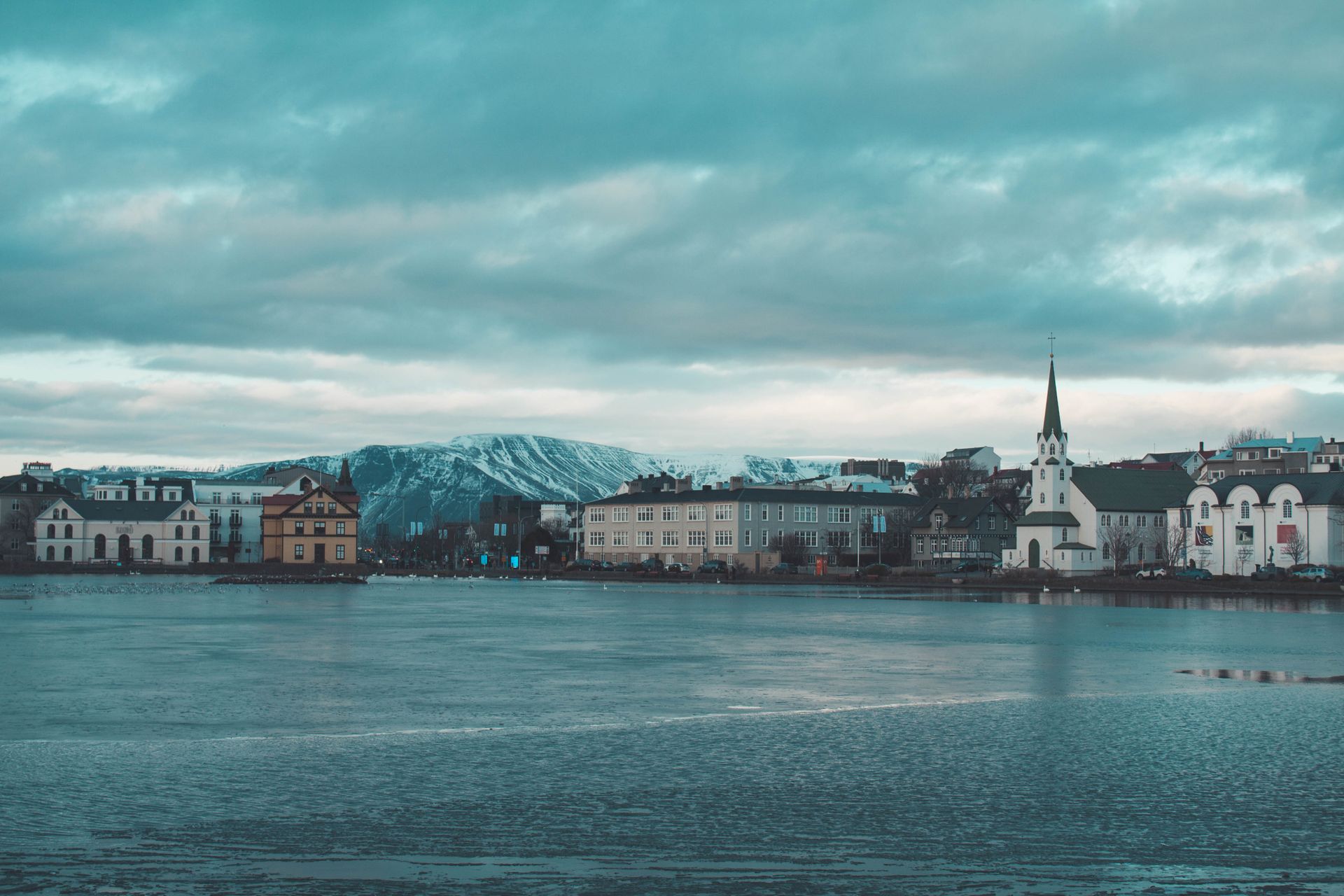
In the historic centre of Reykjavík, in a small space among the government buildings that most tourists pass without noticing, stands a bronze statue. The point reported by Atlas Obscura belongs to one of the most important reform figures of eighteenth-century Iceland: Skúli Magnússon. The statue shows a personality who stands at the starting point of modern economic thinking in Iceland.
Who was Skúli Magnússon? Born in 1711 at Þverá in northern Iceland, Magnússon studied law and economics at the University of Copenhagen. When he was appointed chief treasurer (fógeti) of Iceland by the Danish king in 1749, the country's economic position was poor. A single-market trade monopoly held back the rise of local industry; the island population remained dependent on fishing and livestock.
Magnússon's reform strategy was a modernist outlook. His "Innréttingar" — meaning "innovations" — project involved setting up textile workshops, fishing co-operatives and tapestry-weaving facilities in Reykjavík. This was the symbolic beginning of modern economic production in Iceland and at the same time the spark that turned Reykjavík from a village of a few hundred inhabitants into a future capital.
Atlas Obscura reports that the statue was designed by the Icelandic sculptor Guðmundur Einarsson in 1954. The bronze shows Magnússon in a long mantle and the official dress of the period; he holds a document in his right hand. The statue was placed not on Viðey Island, where Magnússon had lived, but on the shore of Lake Tjörnin in Reykjavík's administrative centre.
Viðey Island — a small island near Reykjavík — was both Magnússon's home and the centre of his reform projects. He lived in the Viðeyjarstofa house, built on the island in 1754 and counted among Iceland's first stone-mortared buildings. The structure still stands today and is open to visitors as a museum. The island is a five-minute ferry ride from Reykjavík.
Magnússon's reform plans did not unfold quite as he had hoped. Some of the Innréttingar facilities closed in the 1770s under financial pressure. The Danish single-market monopoly was loosened only in 1787 — thirteen years after Magnússon's death. He thus became a kind of tragic prototype for economic reformers: a leader whose vision ran ahead of his time but whose implementation lagged behind.
His administrative personality was more complicated. Magnússon was radical in the reform ideas he produced but defended a traditional legal position in daily governance. He held conservative views on the workings of the Icelandic parliament, the Althing, on relations between the Lutheran church and the state and on family-law rulings. The contrast shows how the Enlightenment of the period reached Iceland in a different way.
Reykjavík's path to becoming a capital flows from Magnússon's work. In 1786 the Danish king granted Reykjavík city status with commercial privileges; the town's population at that point was only 167. The city's layout took shape around Magnússon's reform facilities. Today's government building — Stjórnarráðshúsið — is one of the few structures surviving from his era.
Appreciation of Magnússon's legacy came late, in the twentieth century. With the establishment of the Republic of Iceland (1944), national heroes were re-evaluated in the national narrative and Magnússon was canonised as part of a pre-independence reform tradition. In work written in the early 1970s the historian Hörður Ágústsson described Magnússon as "the one modernist among Iceland's Enlightenment figures."
The practical take-away for Vesper readers is that visitors travelling to Iceland rarely walk past this statue without stopping, among the many tourist sights in central Reykjavík. Set in a quiet corner opposite the government building, the statue can be read not only as the memorial of a reformist administrator but as a symbol of a small country's courage to build its own modern economy. For those interested in Icelandic history, a one-hour visit to Viðey Island is a complementary discovery.
Read next
Ioannina's Ali Pasha Museum: the Greek War of Independence remembered on a lake island
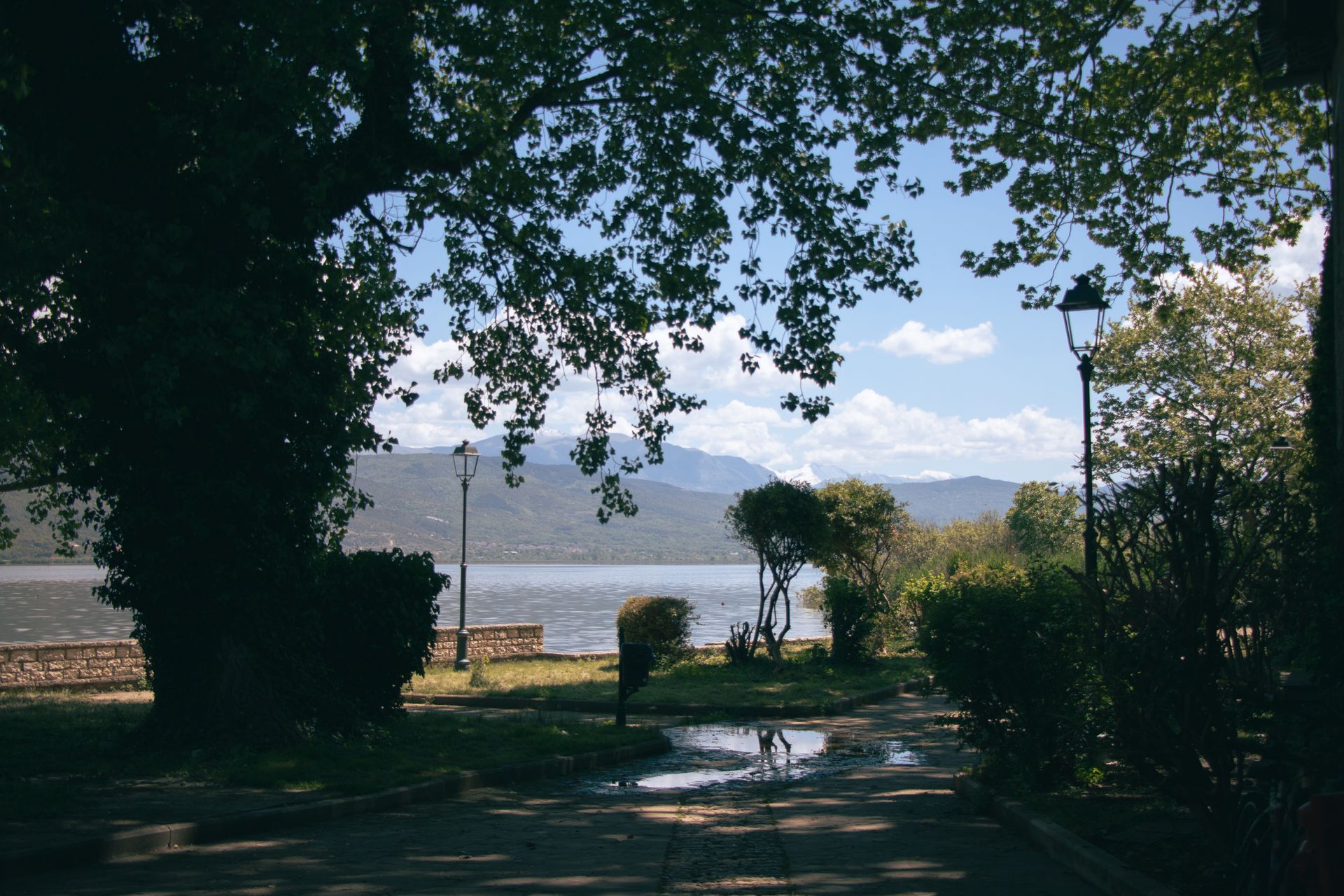
Sitting on a small island in Lake Pamvotis, the Ali Pasha Museum at Ioannina preserves a less-known memory of the transition period in which Ottoman territory was being reshaped at the start of the nineteenth century. Atlas Obscura reported the museum's history, its architecture and its links to the Greek War of Independence.
Jane Austen's final years: the less-known period of a literary genius
In the last three years before her death at age 41, Jane Austen left two completed novels and one unfinished work. The podcast reported by HistoryExtra traces the writer's Chawton and Winchester years, the course of her illness and her lasting literary legacy.
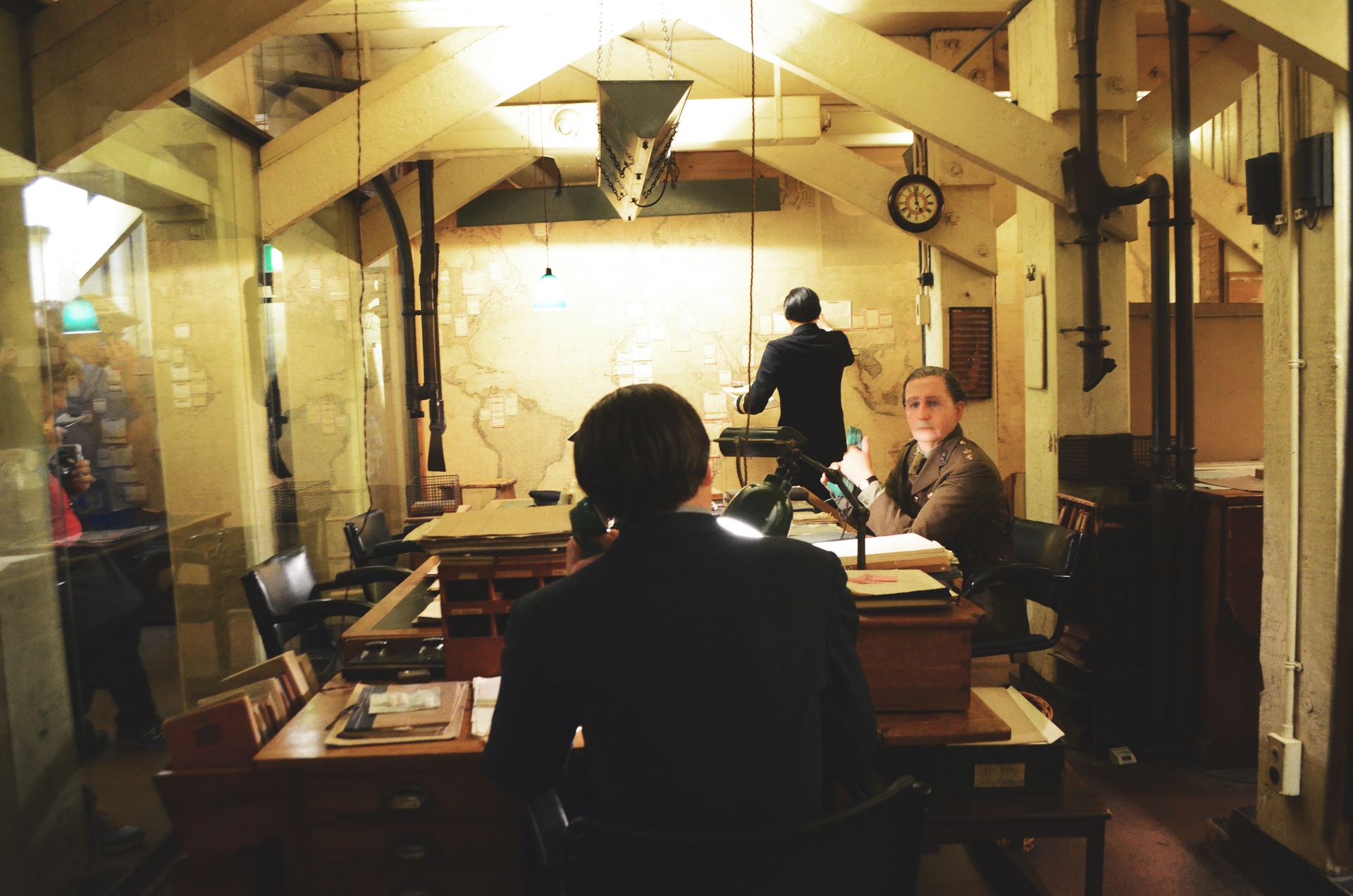
Winston Churchill's toughest decision: the choice historians still debate
Which of Winston Churchill's wartime decisions weighed heaviest is a question historiography has yet to settle. In a HistoryExtra podcast discussion, three different historians point to different decisions; Mers-el-Kébir, the coal-mining call and the Bengal famine sit at the centre.
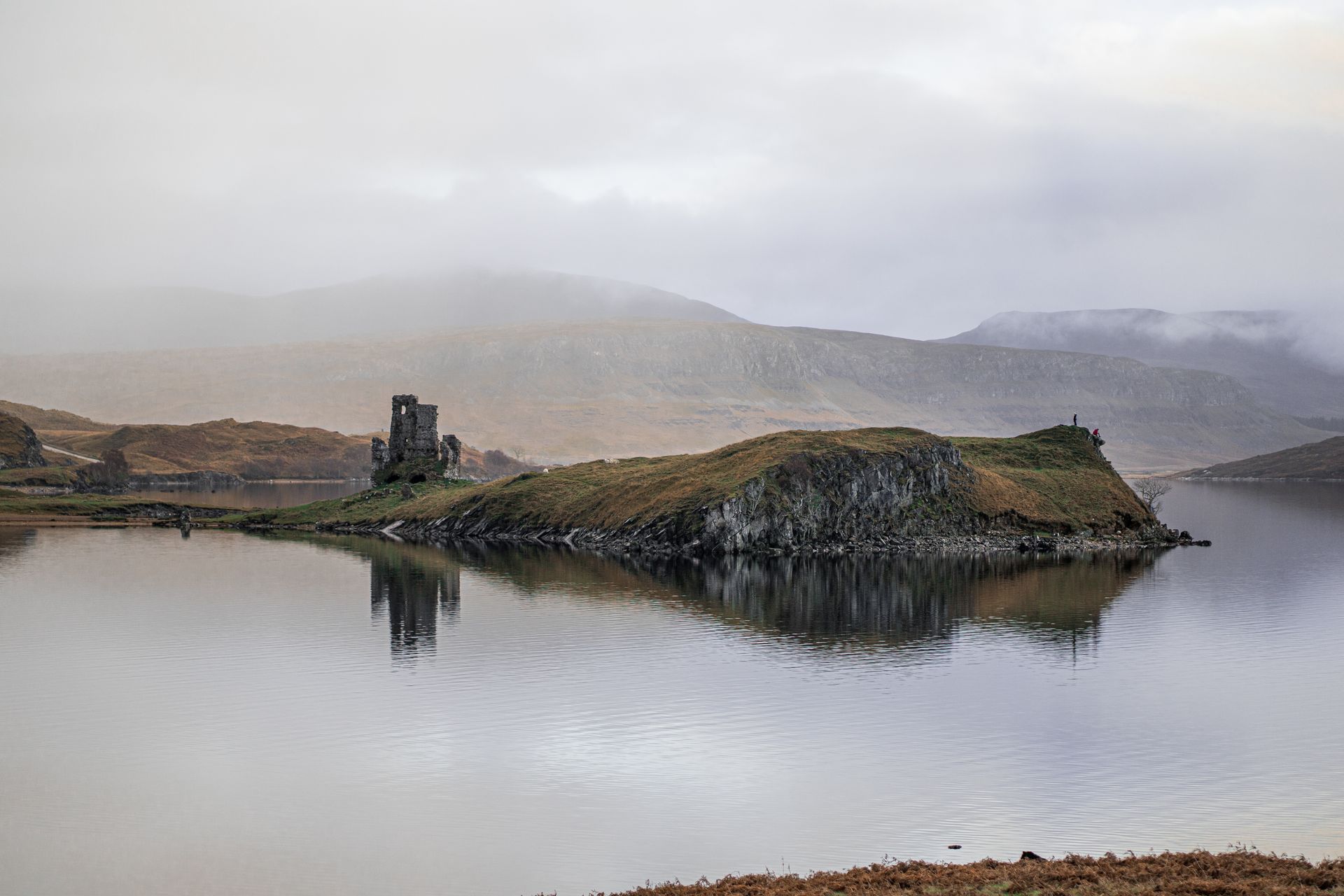
Loch Doon Castle: a medieval Scottish stronghold moved stone by stone in the 20th century
In south-west Scotland, Loch Doon Castle is known not as a 13th-century stronghold standing on its own but as a 1930s conservation project that lifted the original stone-by-stone away from a flood basin and rebuilt it. The Atlas Obscura entry makes the documentary case for the place.

Athens vs Sparta: who came out on top in ancient Greece's greatest rivalry?
Ancient Greece's two great city-states, Athens and Sparta, represented democracy and military discipline at the two tight ends of a historical rope. A HistoryExtra analysis asks who actually won that two-centuries-long rivalry, weighed across different yardsticks.