Jane Austen's final years: the less-known period of a literary genius
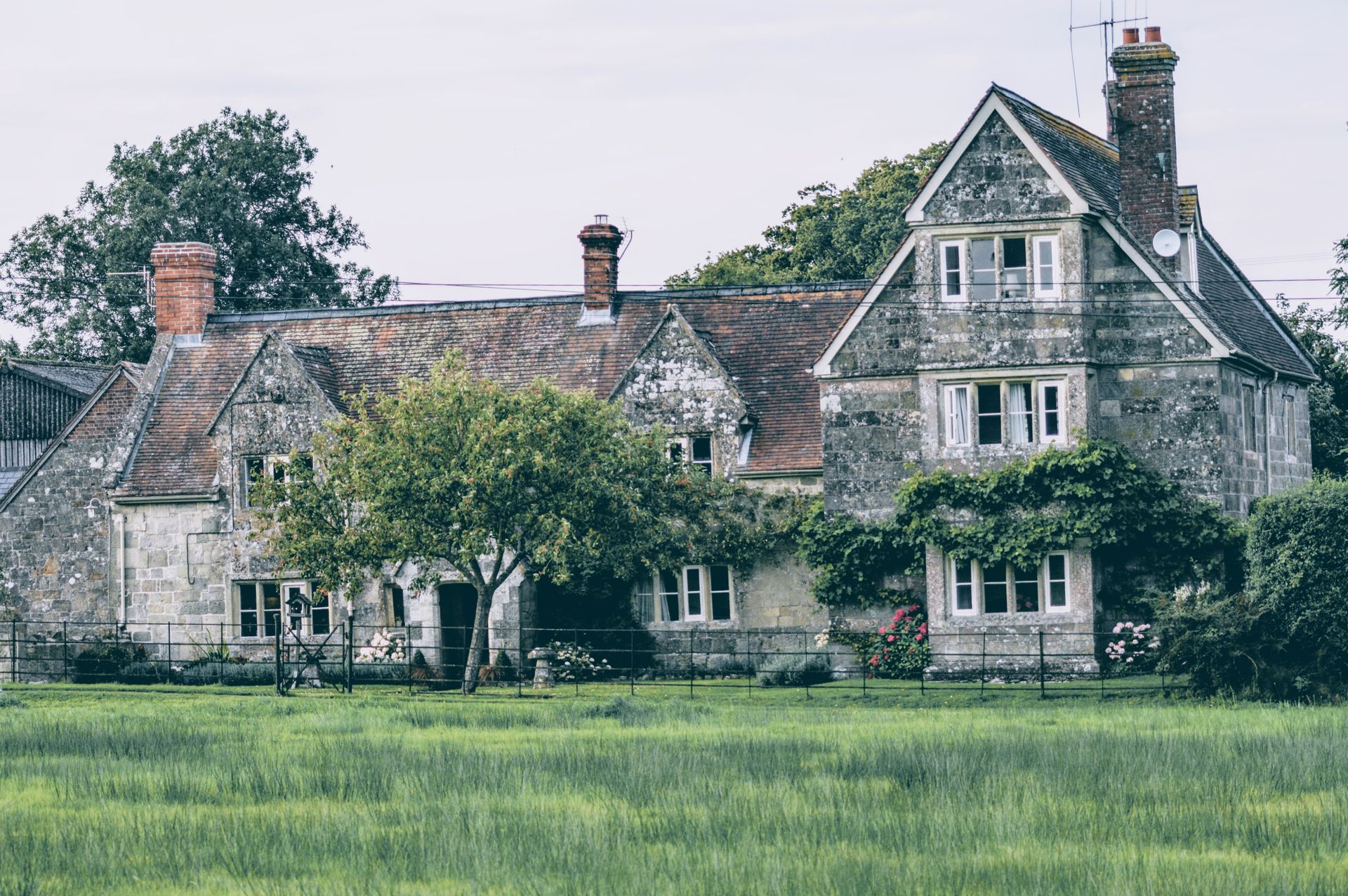
Jane Austen's name is most often heard together with "Pride and Prejudice," "Sense and Sensibility" and "Emma." The period covered in the latest episode of HistoryExtra's Austen series, however, looks at less familiar years: the writer's last three, from 1814 to 1817. In that brief window some of the most mature novels in literary history came into being.
In 1814, Jane Austen was living, as the author of three completed novels, at the small Hampshire cottage her brother Edward had offered her in the village of Chawton. She lived with her sister Cassandra and their mother, wrote in the mornings, and spent her evenings in the garden and at her correspondence. Her annual income came from modest book sales — about 140 pounds sterling, enough at the time for a comfortable life if not a luxurious one.
"Emma" appeared in 1815. The novel is widely considered Austen's most mature: the character development of its heroine Emma Woodhouse, the irony-laced detail of its social commentary and the tight construction of the plot all show Austen at the peak of her craft. It was dedicated to the Prince Regent — the future George IV — at his particular request, a dedication Austen had to accept because the request was a diplomatic one that could not be refused.
The same year, Austen began work on a new novel: "Persuasion." Unlike her earlier work, the book has a sadder and more interior tone. Anne Elliot's encounter with Frederick Wentworth, the love she had refused eight years earlier, addresses themes of second chances and regret. Critics often explain the novel's shorter and denser feel by reference to the author's worsening health.
In the autumn of 1816 Austen's health declined visibly. In her letters to Cassandra, she described fatigue, fever and back pain. Modern retrospective diagnostic discussions suggest Addison's disease or Hodgkin's lymphoma; a precise diagnosis was not possible in the early nineteenth century. Through this period Austen slowed her daily routine but did not stop writing.
The fourth completed novel, "Persuasion," was close to being finished in March 1817; by then Austen had also begun a new book, "Sanditon." The work takes a satirical look at the rise of the seaside resort town — the new English bathing culture epitomised by Brighton. Austen completed twelve chapters before having to stop.
In May 1817 Cassandra moved Jane to Winchester, to a house near Catherine Cathedral, so that the local physician, Mr. Lyford, could be close. Jane Austen died at that Winchester house on 18 July 1817, at the age of 41. Her final writings include the unfinished "Sanditon" and the comic verse-letter she dedicated to her sister.
After her death, the management of Austen's literary legacy was carried on by her family. "Persuasion" and "Northanger Abbey" (an earlier novel that Austen had set aside) were published together at the end of 1817. The author's name was made public for the first time in this edition — Austen had been published throughout her life under the anonymous "By a Lady."
The unfinished "Sanditon" was not published until 1925; the manuscript was kept first by Cassandra and then by the wider Austen family. Academic work in the second half of the twentieth century argued that "Sanditon" could have been Austen's sharpest novel in terms of social comment. A BBC television adaptation of the unfinished work appeared in 2019.
The practical take-away for Vesper readers is that Austen's last three years are an extraordinary example of how creation can find its limits as it approaches death. Despite her illness, the writer completed a mature novel like "Persuasion" and laid the foundations of a quite different work like "Sanditon." Her period stands as a lasting record of the class structures, marriages and social transformations of Regency England, and her place in literary history remains.
Read next
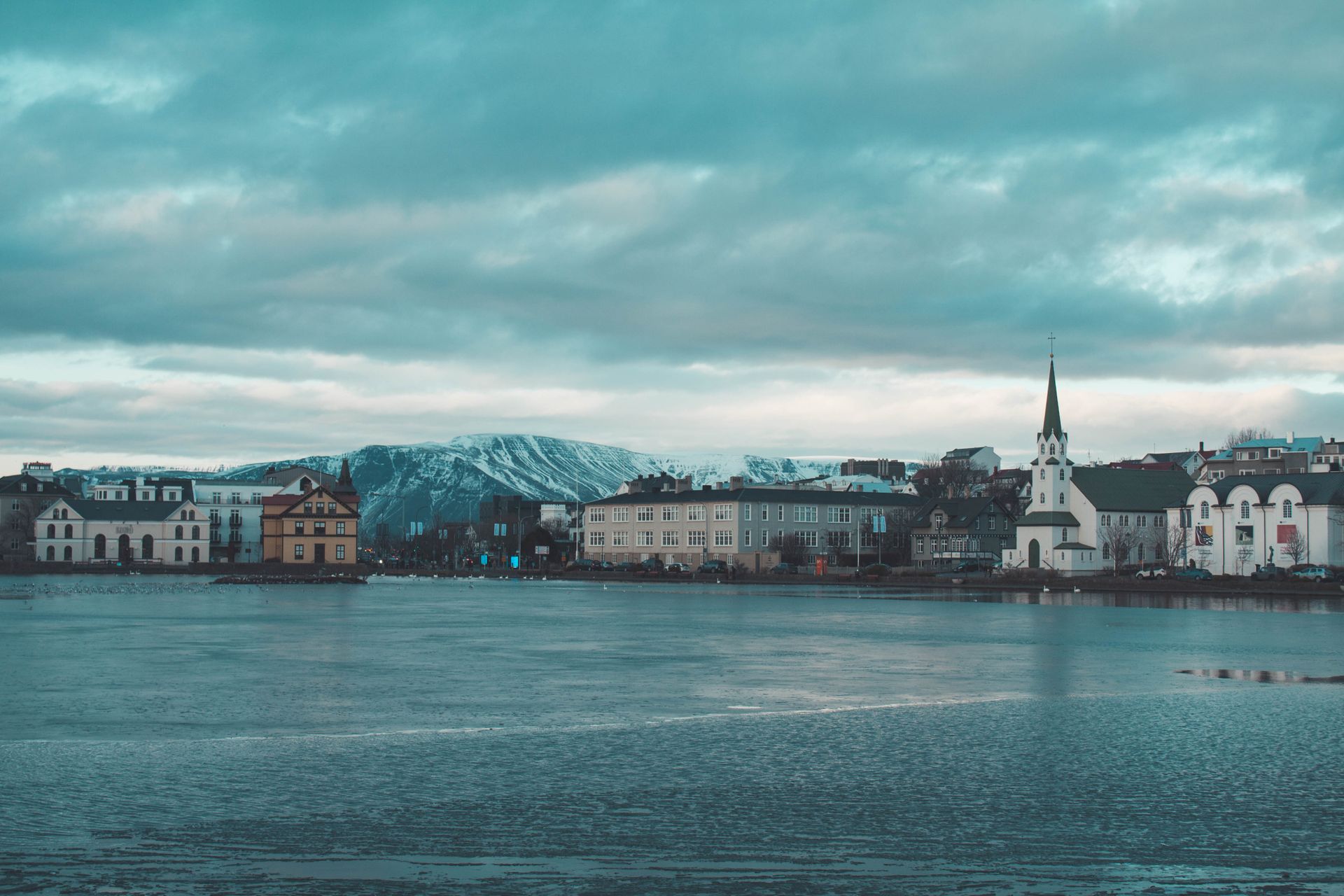
Skúli Magnússon: the statue that remembers Reykjavík's founding figure
In Reykjavík's pre-modern history, Skúli Magnússon stands out as an Icelandic administrator and thinker who, in the mid-eighteenth century, pushed forward ideas for economic reform. Atlas Obscura sets out the history of the statue at the centre of the capital and the legacy of his reforms.
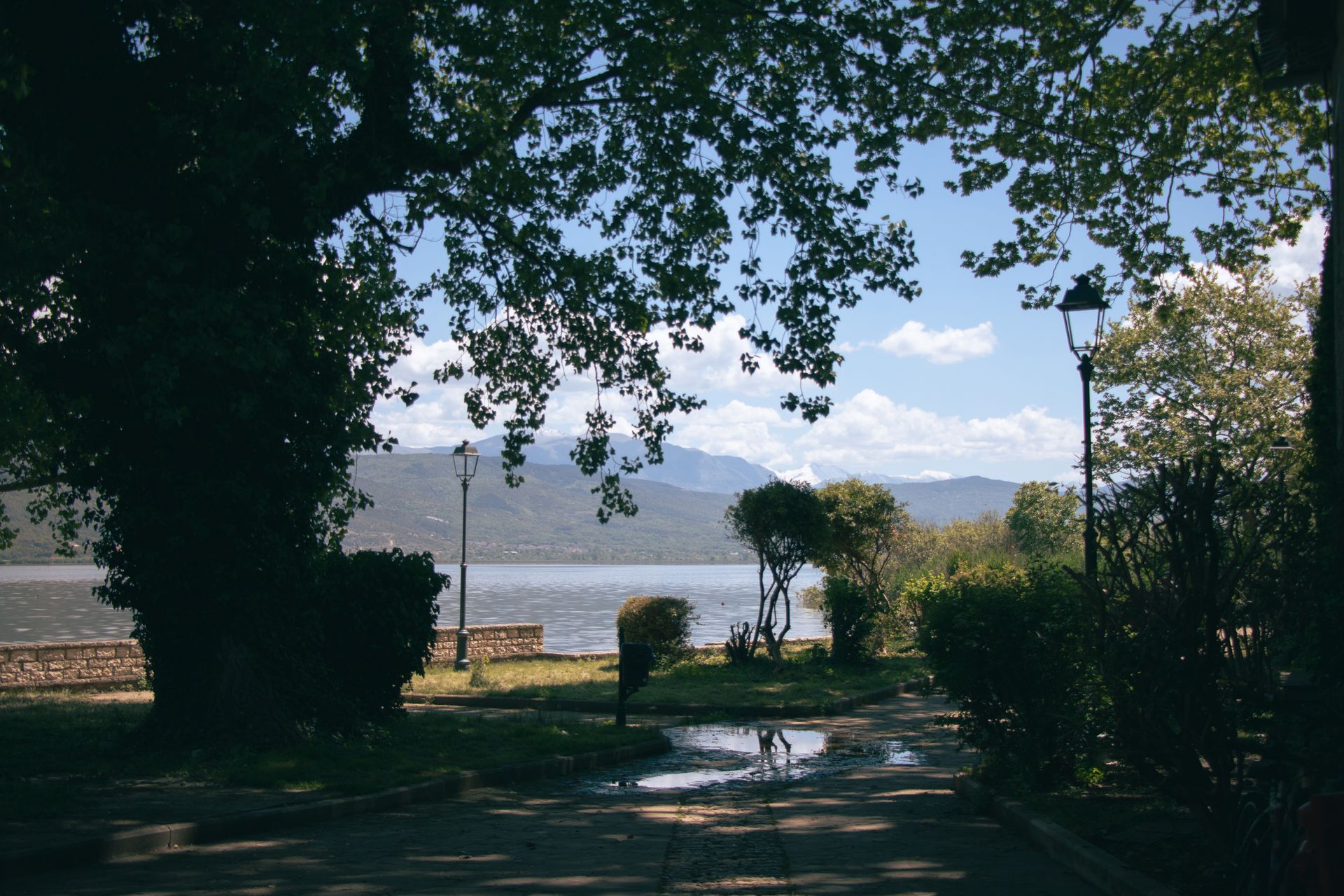
Ioannina's Ali Pasha Museum: the Greek War of Independence remembered on a lake island
Sitting on a small island in Lake Pamvotis, the Ali Pasha Museum at Ioannina preserves a less-known memory of the transition period in which Ottoman territory was being reshaped at the start of the nineteenth century. Atlas Obscura reported the museum's history, its architecture and its links to the Greek War of Independence.
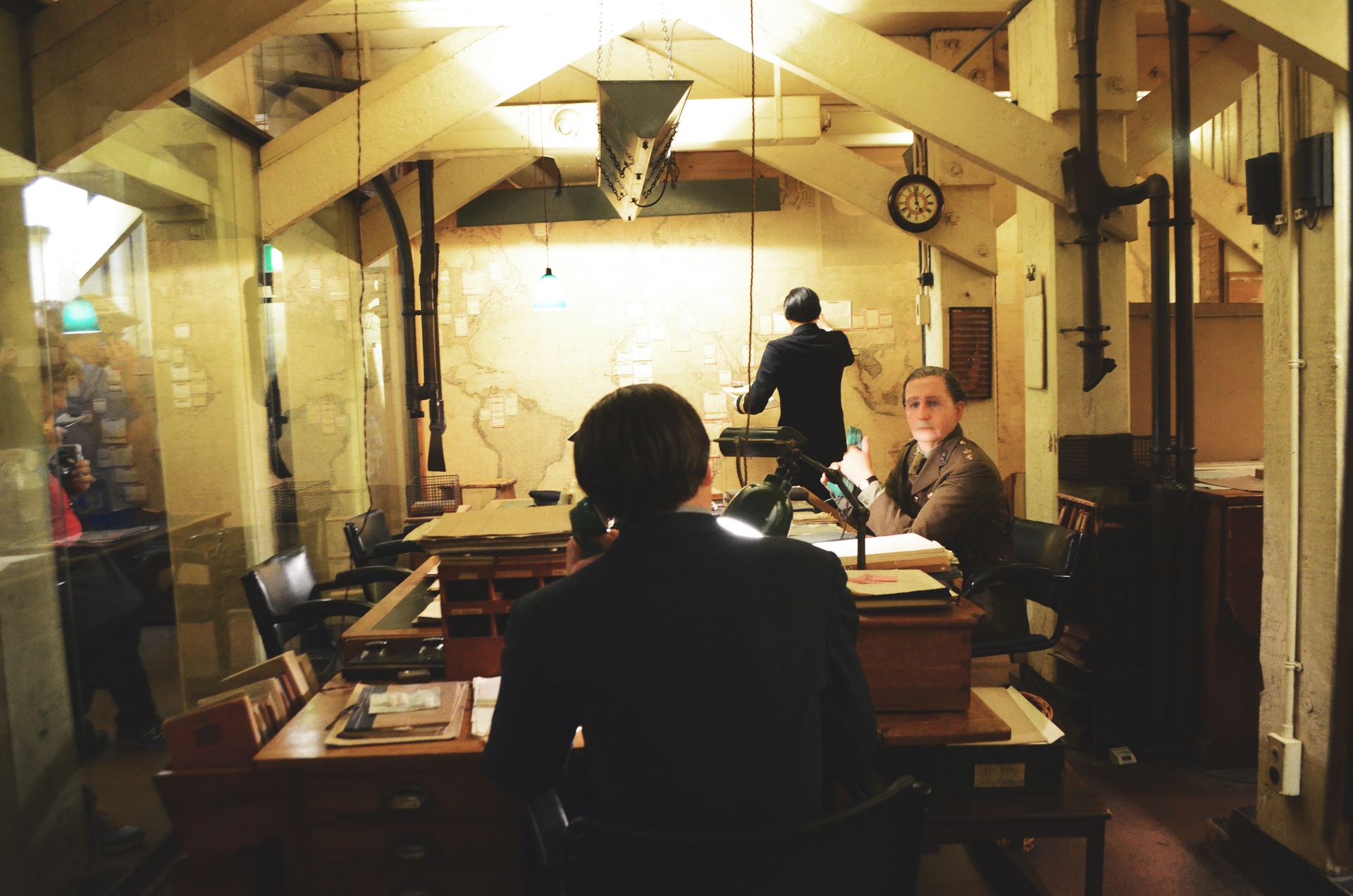
Winston Churchill's toughest decision: the choice historians still debate
Which of Winston Churchill's wartime decisions weighed heaviest is a question historiography has yet to settle. In a HistoryExtra podcast discussion, three different historians point to different decisions; Mers-el-Kébir, the coal-mining call and the Bengal famine sit at the centre.
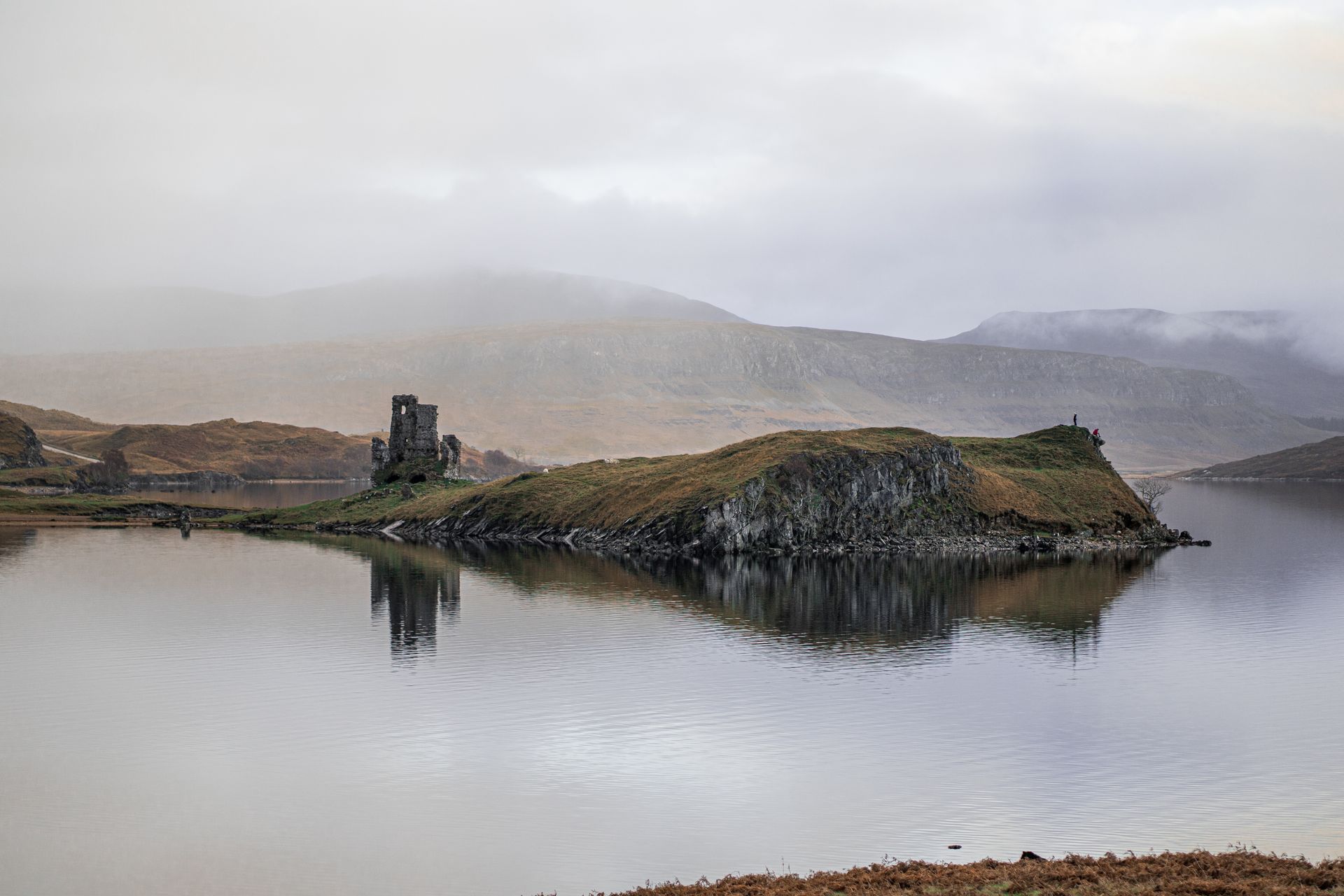
Loch Doon Castle: a medieval Scottish stronghold moved stone by stone in the 20th century
In south-west Scotland, Loch Doon Castle is known not as a 13th-century stronghold standing on its own but as a 1930s conservation project that lifted the original stone-by-stone away from a flood basin and rebuilt it. The Atlas Obscura entry makes the documentary case for the place.

Athens vs Sparta: who came out on top in ancient Greece's greatest rivalry?
Ancient Greece's two great city-states, Athens and Sparta, represented democracy and military discipline at the two tight ends of a historical rope. A HistoryExtra analysis asks who actually won that two-centuries-long rivalry, weighed across different yardsticks.