The hidden rules of fine dining: where restaurant etiquette came from
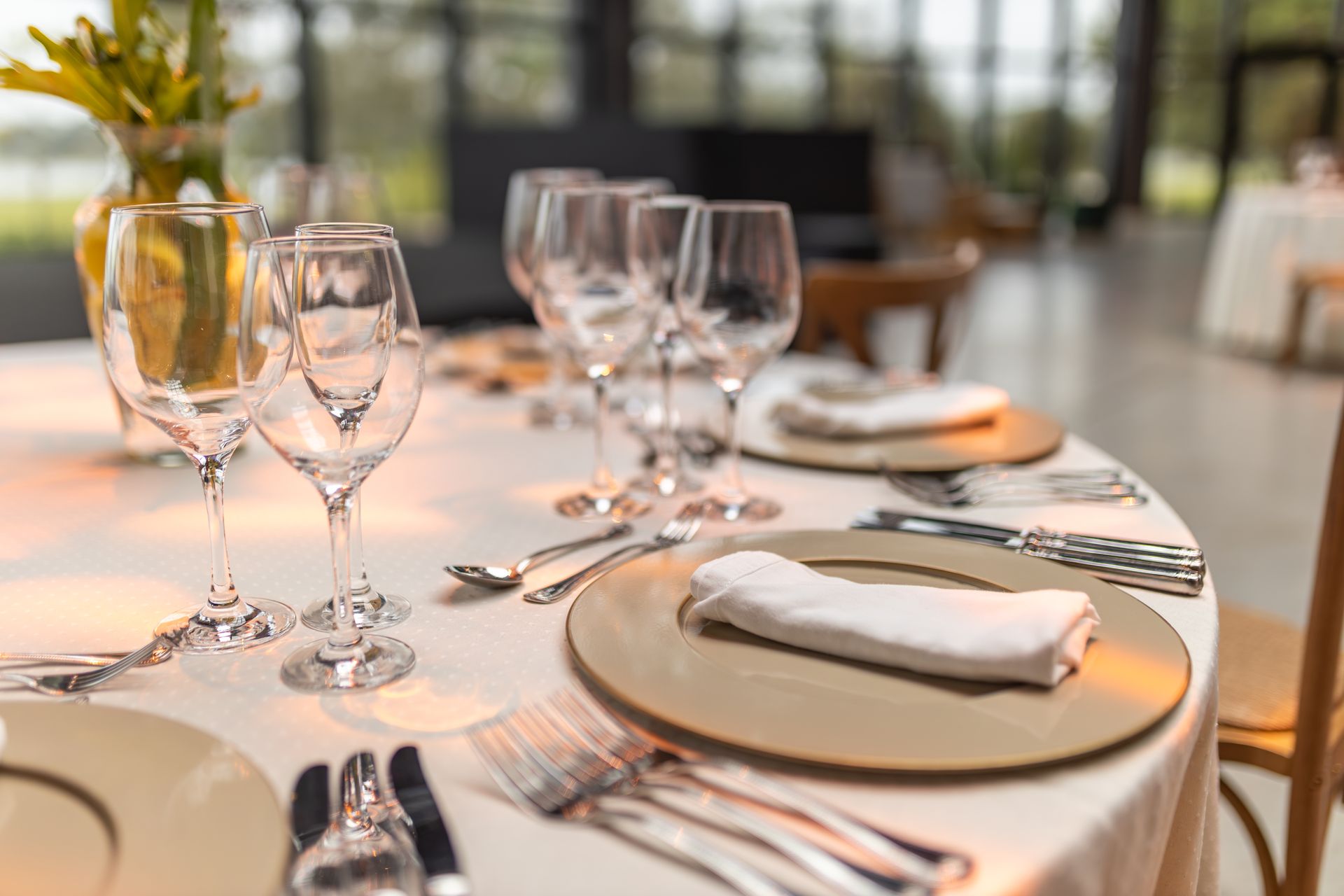
Anyone who has sat down in an upscale restaurant knows the quiet anxiety of the unwritten rules: which fork to use, how to signal that you have finished, what the succession of plates and glasses is supposed to mean. A JSTOR Daily essay examines these hidden rules of fine dining, tracing where they came from and what they reveal about the culture and history behind the restaurant.
Fine dining, the essay observes, is governed by an elaborate code that most diners absorb only partially. The arrangement of cutlery, the sequence of courses, the choreography of service and the expected behaviour of guests all follow conventions that can feel arbitrary but have identifiable histories. Understanding those histories turns a set of intimidating rituals into a legible cultural artefact.
Many of the conventions trace back to European aristocratic and court traditions, where elaborate dining was a display of refinement and status. As formal service evolved, so did rules about how food should be presented and consumed, and these practices were later adopted and adapted by restaurants seeking to signal prestige. The etiquette of fine dining is in part an inheritance from settings where manners marked social rank.
The restaurant itself is a relatively modern institution, and its history shapes the rituals. The rise of the restaurant as a public place where paying guests could order individual meals created a new social space that borrowed the trappings of elite dining while opening them, at a price, to a broader clientele. The rules of fine dining helped mark such establishments as refined and distinguished them from ordinary eating.
Service roles carry their own history. The formalised hierarchy of restaurant staff, with defined responsibilities for those who take orders, serve courses and manage the room, developed as dining became more elaborate and professionalised. The essay considers how the roles and expectations surrounding waiters and other staff reflect both practical needs and the performance of attentiveness that fine dining sells.
Part of what the rules do, the essay suggests, is communicate and reinforce status, for the establishment and for the diner. Knowing the conventions signals belonging, while the elaborateness of the ritual signals the exclusivity of the experience. That is why the etiquette can feel like a test: it functions partly as a marker of who is at ease in such settings and who is not.
The conventions also serve practical purposes that are easy to miss. The arrangement of utensils corresponds to the order of courses; the ways of signalling to staff allow smooth communication without interrupting conversation; the pacing of service structures a long meal. Beneath the appearance of arbitrary formality lies a system that, once understood, is largely functional.
The essay situates fine-dining etiquette within a broader scholarly interest in food as a lens on culture. What and how people eat, and the rules surrounding it, reveal social structures, values and histories. The rituals of the upscale restaurant are a particularly rich example because they are so codified and so tied to ideas of taste, refinement and class.
There is also an element of change over time. Dining conventions are not fixed; they evolve as tastes, social norms and the restaurant industry change. Contemporary fine dining includes movements that deliberately relax or subvert traditional formality, and understanding the origins of the rules makes it easier to see why some persist and others are discarded.
For the diner, the practical payoff of this history is a kind of demystification. The hidden rules can feel like an obstacle course designed to expose the uninitiated, but seen as cultural artefacts with traceable origins they become far less intimidating. Knowing where the conventions came from, the essay implies, is the surest way to feel at ease among them.
Read next

How Irish immigrants helped the American Patriots win the Revolution
Tens of thousands of Irish immigrants fought in the ranks of the American Patriots during the Revolutionary War, a contribution often overlooked in popular memory. A Smithsonian feature examines how these arrivals shaped the struggle for independence and the young republic that followed.

On this day, 4 July 1934: Marie Curie, pioneer of radioactivity, dies
On 4 July 1934, Marie Curie died in France at the age of 66. The physicist and chemist, the first person to win two Nobel Prizes, transformed science with her research on radioactivity, and her legacy still shapes physics, chemistry and medicine today.

Britain's muskrat empire: how an escaped fur animal became a pest
In the 1920s, Britain tried to build a fur industry by farming North American muskrats — until the animals escaped and spread. This history traces how the muskrat boom collapsed into a costly eradication campaign, and what it reveals about invasive species and human ambition.

How the Anglo-Saxons took hold in Britain, and what Rome had to do with it
How did the Anglo-Saxons come to dominate England after Roman rule ended? This explainer examines the historians' debate over migration, assimilation and the power vacuum left by Rome's withdrawal, and why the collapse of Roman Britain helped shape what followed.
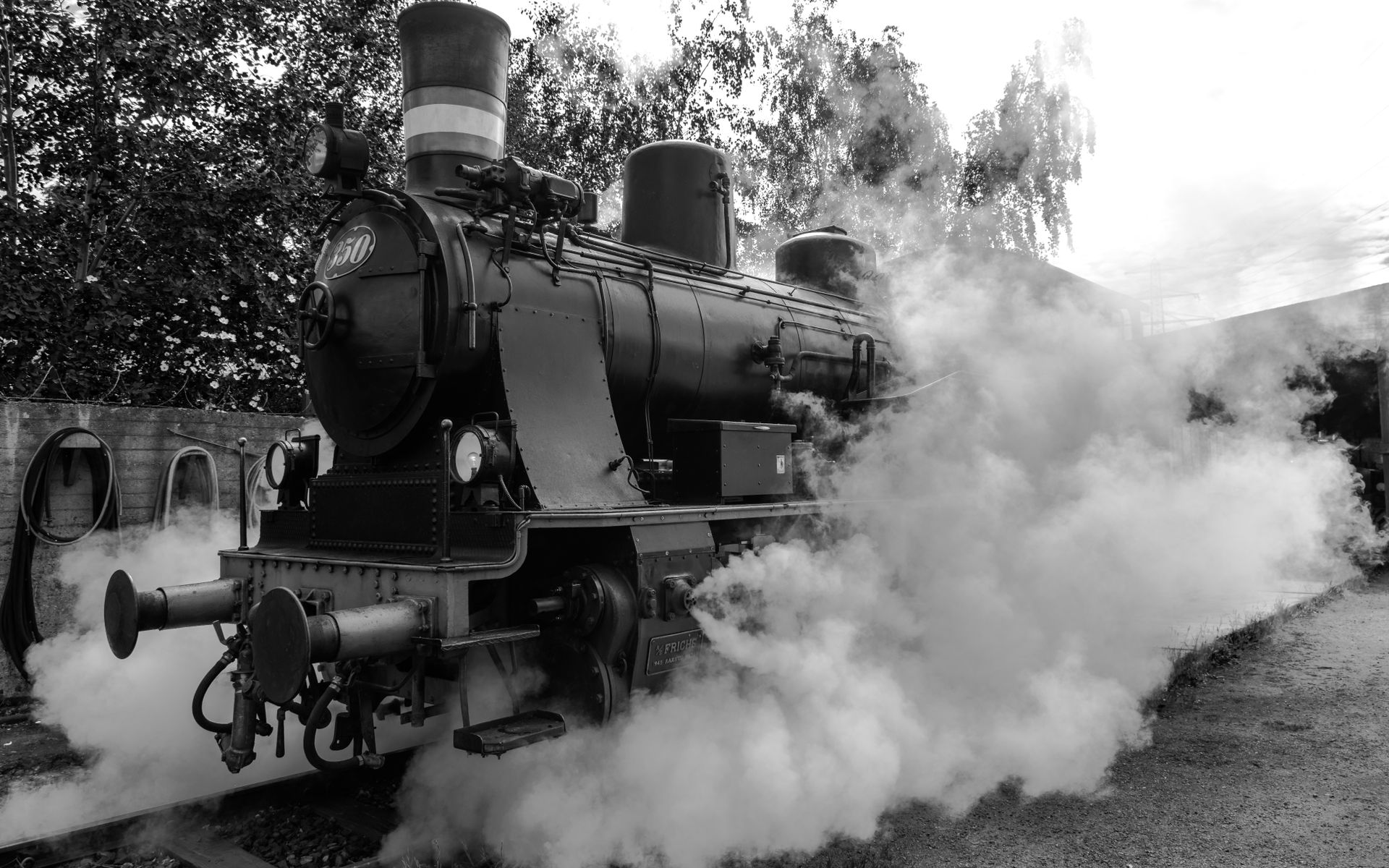
On this day, 3 July 1938: Mallard sets the steam speed record still unbeaten
On 3 July 1938, the British locomotive Mallard reached 126 miles per hour on a stretch of line in England, setting a world speed record for steam traction that has never been broken. The run marked the high point of a fierce era of railway speed competition.