How Irish immigrants helped the American Patriots win the Revolution

The story of the American Revolution is usually told through a familiar cast of founders and generals, but a Smithsonian feature draws attention to a large group whose role has often been overlooked: the tens of thousands of Irish immigrants who fought and supported the Patriot cause. Their contribution, the article argues, was substantial enough to have materially aided the drive for independence.
By the time the Revolution broke out, Irish immigrants and their descendants formed a significant part of the population of the American colonies, particularly in the middle and southern regions. Many had left Ireland in earlier decades, driven by economic hardship and, for some, by grievances against British rule at home, a background that could make the Patriot cause resonate.
That prior experience of British authority is part of what the Smithsonian account explores. For immigrants who had left Ireland under difficult circumstances, the colonists' conflict with the British Crown could carry a personal dimension, and historians have long noted that this population was disproportionately inclined toward the Patriot side rather than remaining loyal to Britain.
The practical contribution came in numbers and in service. Irish immigrants filled the ranks of the Continental Army and local militias, serving as soldiers through the long and often grinding campaigns of the war. In an army that struggled with recruitment, desertion and shortages, a large and willing pool of manpower was a meaningful asset, and the article situates the Irish among those who supplied it.
Contemporary observers on the British side took note. The Smithsonian piece points to the recognition, even among Britain's own officials and commentators, that the rebellious colonies drew significant support from their Irish population. That such observations were made at the time underscores that the contribution was visible to those prosecuting the war, not merely a later historical reconstruction.
Beyond the battlefield, Irish immigrants and Americans of Irish descent contributed in other ways, including through trade, finance and political support for the Patriot cause. The Revolution depended not only on soldiers but on the broader networks that sustained an army and a nascent government, and members of this community participated across those areas.
The feature also fits into a wider reconsideration of who made the American Revolution possible. Popular memory tends to concentrate on a small number of prominent leaders, but historians increasingly emphasise the many ordinary and often overlooked participants, immigrants, labourers, women and others, whose collective effort was essential to the outcome. The Irish contribution is one strand of that broader picture.
Recovering this history matters for how the founding is understood. A revolution framed solely around a handful of well-known names obscures the diverse and largely anonymous population that actually filled the armies and sustained the war effort. Highlighting the Irish role restores part of that complexity and reflects the immigrant character of the emerging nation even at its origin.
The article is careful to present this as a documented historical contribution rather than a romanticised one. Historians reconstruct such roles from records of enlistment, service and contemporary observation, and the Smithsonian account draws on that scholarship to make the case that the Irish presence in the Patriot ranks was numerically and materially significant.
As the United States marks anniversaries of its founding, features like this one serve as a reminder that the Revolution was the work of a broad and varied population. The tens of thousands of Irish immigrants who took up the Patriot cause are, in this telling, part of the foundation of the country, their contribution a thread in the larger and more crowded story of how independence was won.
Read next

The hidden rules of fine dining: where restaurant etiquette came from
Fine dining runs on an elaborate set of unwritten rules, from table settings to the roles of waiters. A JSTOR Daily essay traces where these conventions came from and what they reveal about status, culture and the history of the restaurant.

On this day, 4 July 1934: Marie Curie, pioneer of radioactivity, dies
On 4 July 1934, Marie Curie died in France at the age of 66. The physicist and chemist, the first person to win two Nobel Prizes, transformed science with her research on radioactivity, and her legacy still shapes physics, chemistry and medicine today.
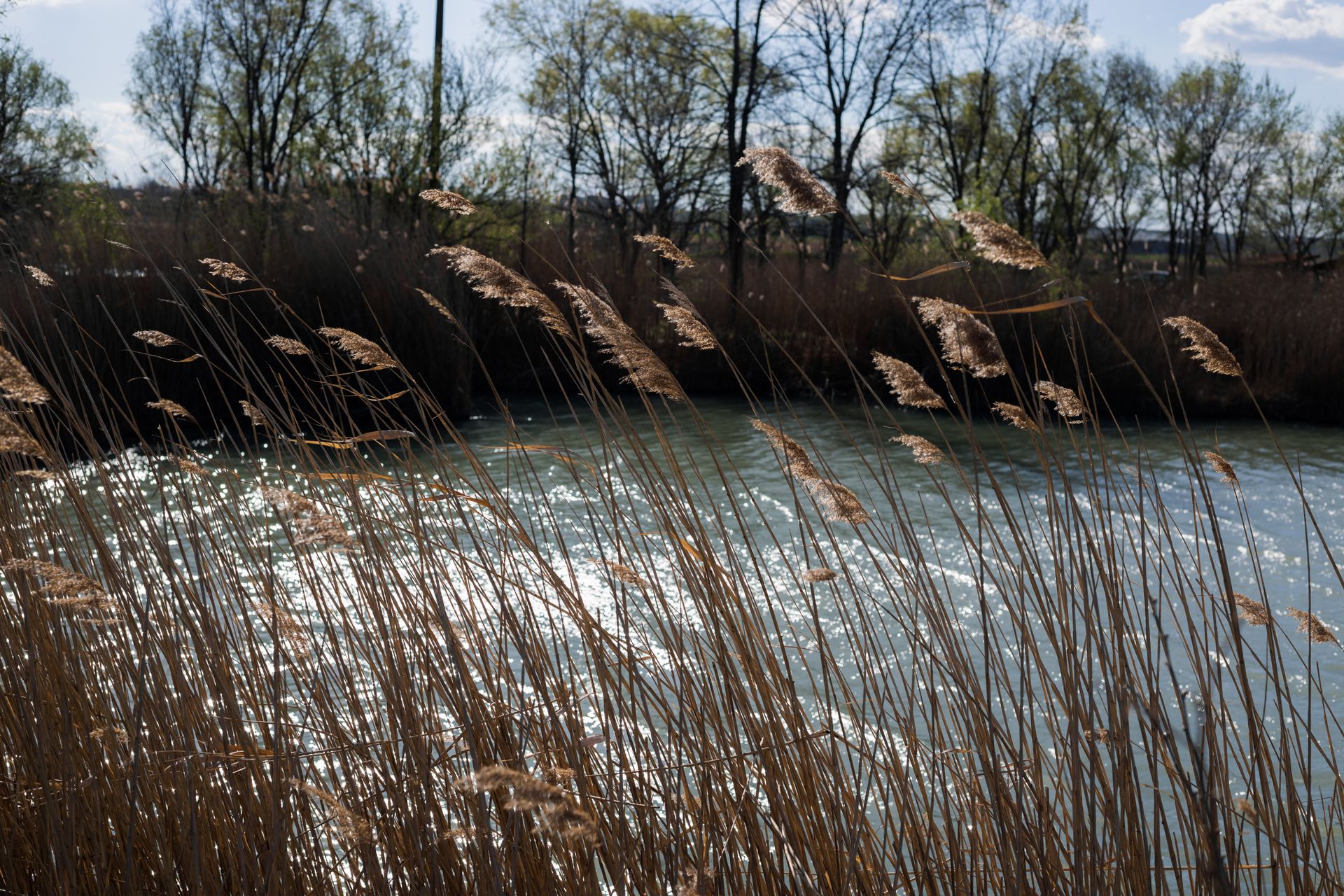
Britain's muskrat empire: how an escaped fur animal became a pest
In the 1920s, Britain tried to build a fur industry by farming North American muskrats — until the animals escaped and spread. This history traces how the muskrat boom collapsed into a costly eradication campaign, and what it reveals about invasive species and human ambition.

How the Anglo-Saxons took hold in Britain, and what Rome had to do with it
How did the Anglo-Saxons come to dominate England after Roman rule ended? This explainer examines the historians' debate over migration, assimilation and the power vacuum left by Rome's withdrawal, and why the collapse of Roman Britain helped shape what followed.
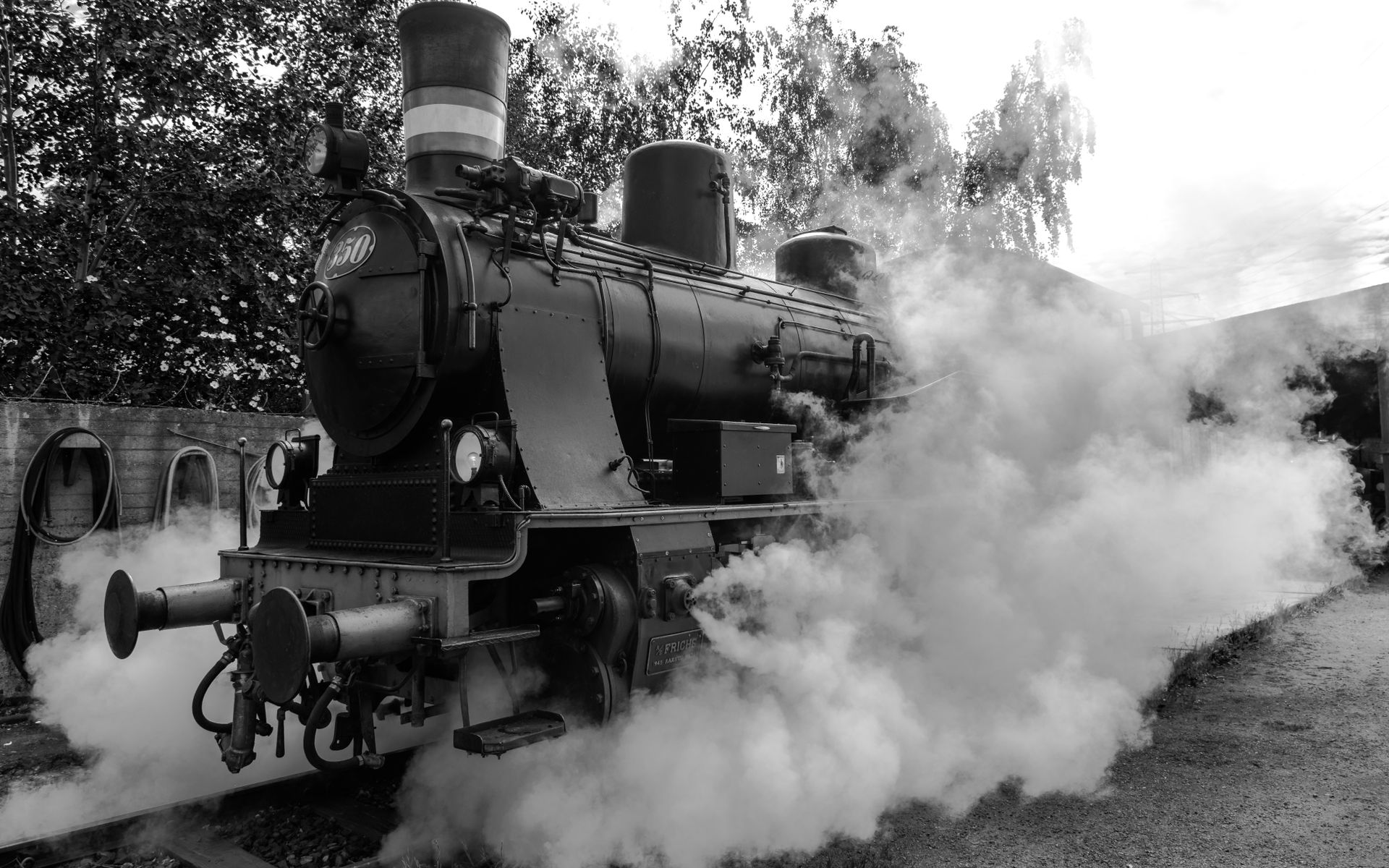
On this day, 3 July 1938: Mallard sets the steam speed record still unbeaten
On 3 July 1938, the British locomotive Mallard reached 126 miles per hour on a stretch of line in England, setting a world speed record for steam traction that has never been broken. The run marked the high point of a fierce era of railway speed competition.