On this day, 4 July 1934: Marie Curie, pioneer of radioactivity, dies

On 4 July 1934, Marie Curie died at a sanatorium in Passy, in the Haute-Savoie region of France, at the age of 66. Her death, from aplastic anaemia, is widely understood to have been linked to her long exposure to radiation during a career spent studying materials whose dangers were not yet fully understood. With her passing, science lost one of the most consequential figures of the modern era.
Born Maria Sklodowska in Warsaw in 1867, she grew up in a part of Poland then under Russian rule, in a family that valued education at a time when opportunities for women in science were severely limited. Unable to attend university at home, she eventually moved to Paris to study at the Sorbonne, where she earned degrees in physics and mathematics while living in considerable poverty.
In Paris she met the physicist Pierre Curie, whom she married in 1895, beginning one of the most famous scientific partnerships in history. Working together, the couple investigated the mysterious radiation that had recently been discovered emanating from certain elements, a phenomenon Marie Curie named radioactivity, coining a term that entered the permanent vocabulary of science.
Their research led to the discovery of two new elements, polonium, which she named after her native Poland, and radium. Isolating these elements required processing enormous quantities of the mineral pitchblende under punishing physical conditions, work carried out in a poorly equipped shed that a visiting scientist reportedly compared to a stable. The achievement established radioactivity as a major new field of physics and chemistry.
In 1903 Marie Curie shared the Nobel Prize in Physics with Pierre Curie and Henri Becquerel for their work on radioactivity, becoming the first woman to receive a Nobel Prize. After Pierre's death in a street accident in 1906, she took over his professorship at the Sorbonne, becoming the first woman to teach there, and continued the research they had begun together.
In 1911 she was awarded a second Nobel Prize, this time in Chemistry, for the discovery of polonium and radium and the isolation of radium. This made her the first person, and for a long time the only one, to win Nobel Prizes in two different sciences, a distinction that remains exceptionally rare and cemented her standing as a scientist of the very first rank.
Her work had profound practical consequences, particularly in medicine. Radioactivity became the basis for new approaches to treating cancer, and Curie was instrumental in advancing its medical use. During the First World War she developed mobile radiography units, which came to be known as "petites Curies", to bring X-ray equipment to the battlefield so that wounded soldiers could be treated more effectively.
Curie's career unfolded against persistent barriers facing women in science, and she navigated a scientific establishment that was often reluctant to admit them. Her achievements, recognised at the highest levels despite those obstacles, made her an enduring symbol of what determination and intellect could accomplish, and an inspiration to generations of scientists who followed.
Her legacy also includes a scientific family. Her daughter Irène Joliot-Curie, together with her husband Frédéric Joliot-Curie, would go on to win a Nobel Prize in Chemistry themselves, extending the family's contribution to the science of radioactivity into the next generation and making the Curies one of the most decorated families in the history of the Nobel Prizes.
Ninety-one years after her death, Marie Curie remains among the most recognised scientists in history. The dangers of the radiation she studied, which contributed to her death, were part of the price of pioneering an unknown field, and her research laid foundations that endure across physics, chemistry and medicine. Her name, attached to institutions and honours around the world, continues to stand for scientific achievement.
Read next

The hidden rules of fine dining: where restaurant etiquette came from
Fine dining runs on an elaborate set of unwritten rules, from table settings to the roles of waiters. A JSTOR Daily essay traces where these conventions came from and what they reveal about status, culture and the history of the restaurant.

How Irish immigrants helped the American Patriots win the Revolution
Tens of thousands of Irish immigrants fought in the ranks of the American Patriots during the Revolutionary War, a contribution often overlooked in popular memory. A Smithsonian feature examines how these arrivals shaped the struggle for independence and the young republic that followed.
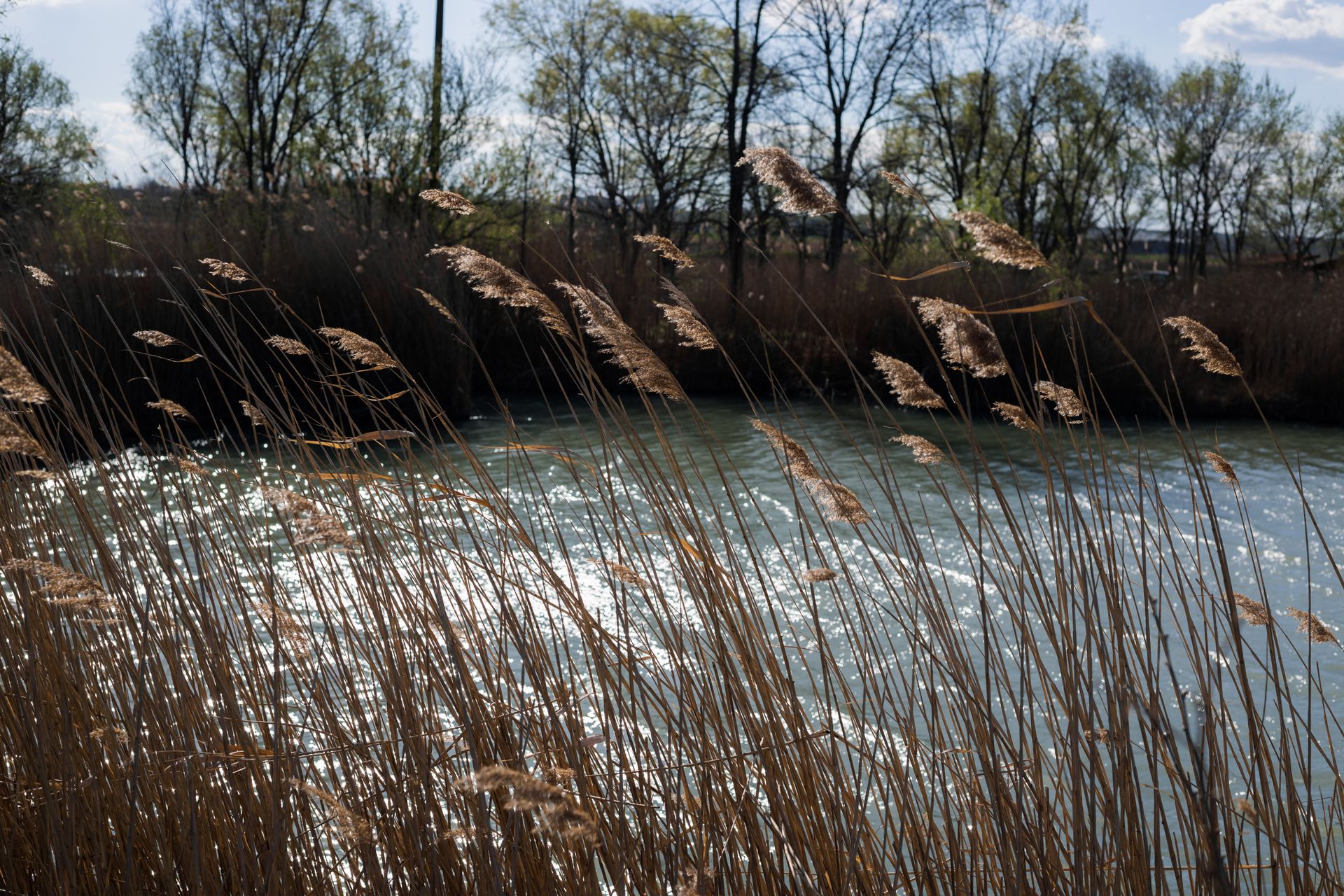
Britain's muskrat empire: how an escaped fur animal became a pest
In the 1920s, Britain tried to build a fur industry by farming North American muskrats — until the animals escaped and spread. This history traces how the muskrat boom collapsed into a costly eradication campaign, and what it reveals about invasive species and human ambition.

How the Anglo-Saxons took hold in Britain, and what Rome had to do with it
How did the Anglo-Saxons come to dominate England after Roman rule ended? This explainer examines the historians' debate over migration, assimilation and the power vacuum left by Rome's withdrawal, and why the collapse of Roman Britain helped shape what followed.
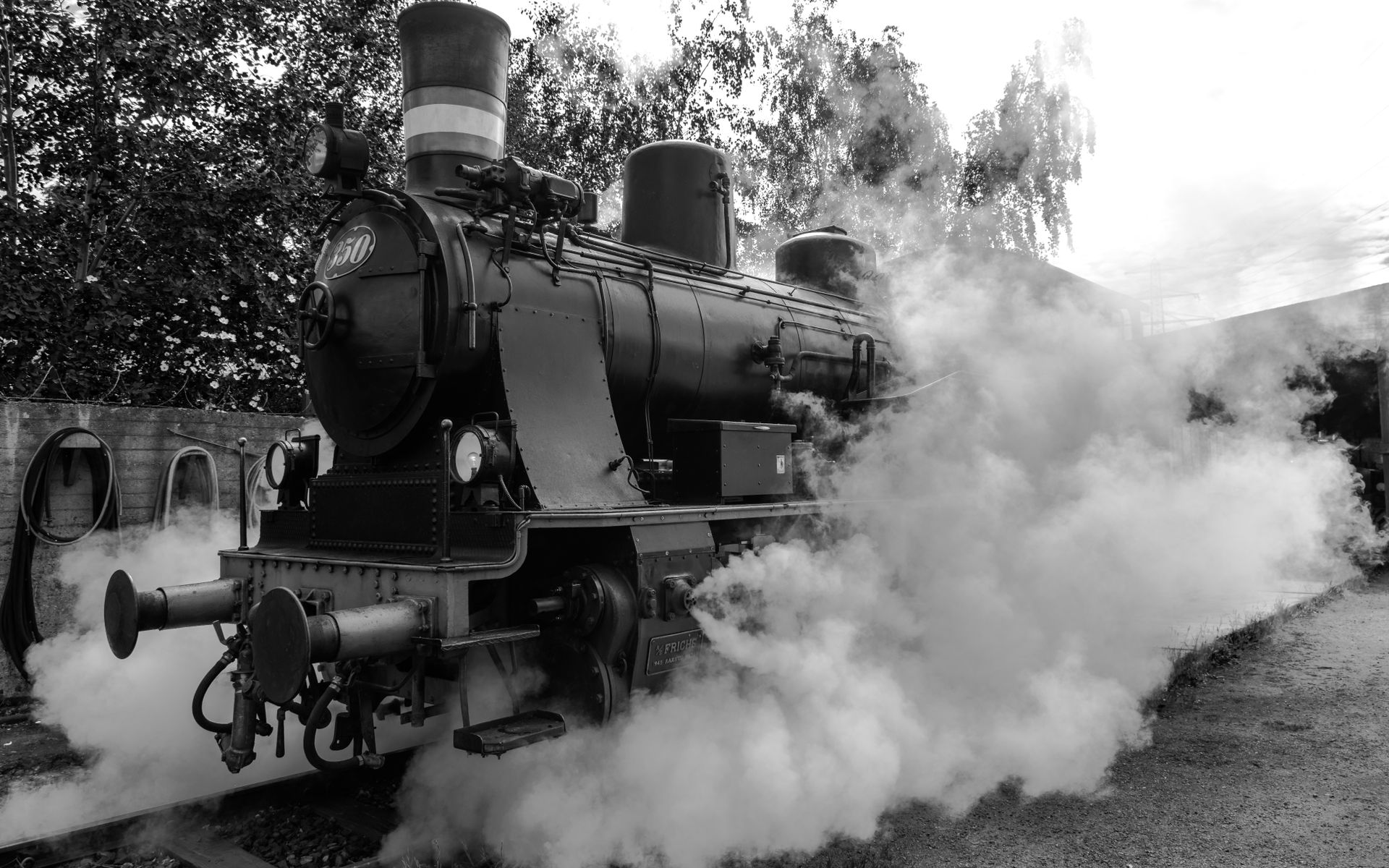
On this day, 3 July 1938: Mallard sets the steam speed record still unbeaten
On 3 July 1938, the British locomotive Mallard reached 126 miles per hour on a stretch of line in England, setting a world speed record for steam traction that has never been broken. The run marked the high point of a fierce era of railway speed competition.