Strangers and aliens in Tudor England: the story of late medieval Europe's quiet wave of migration
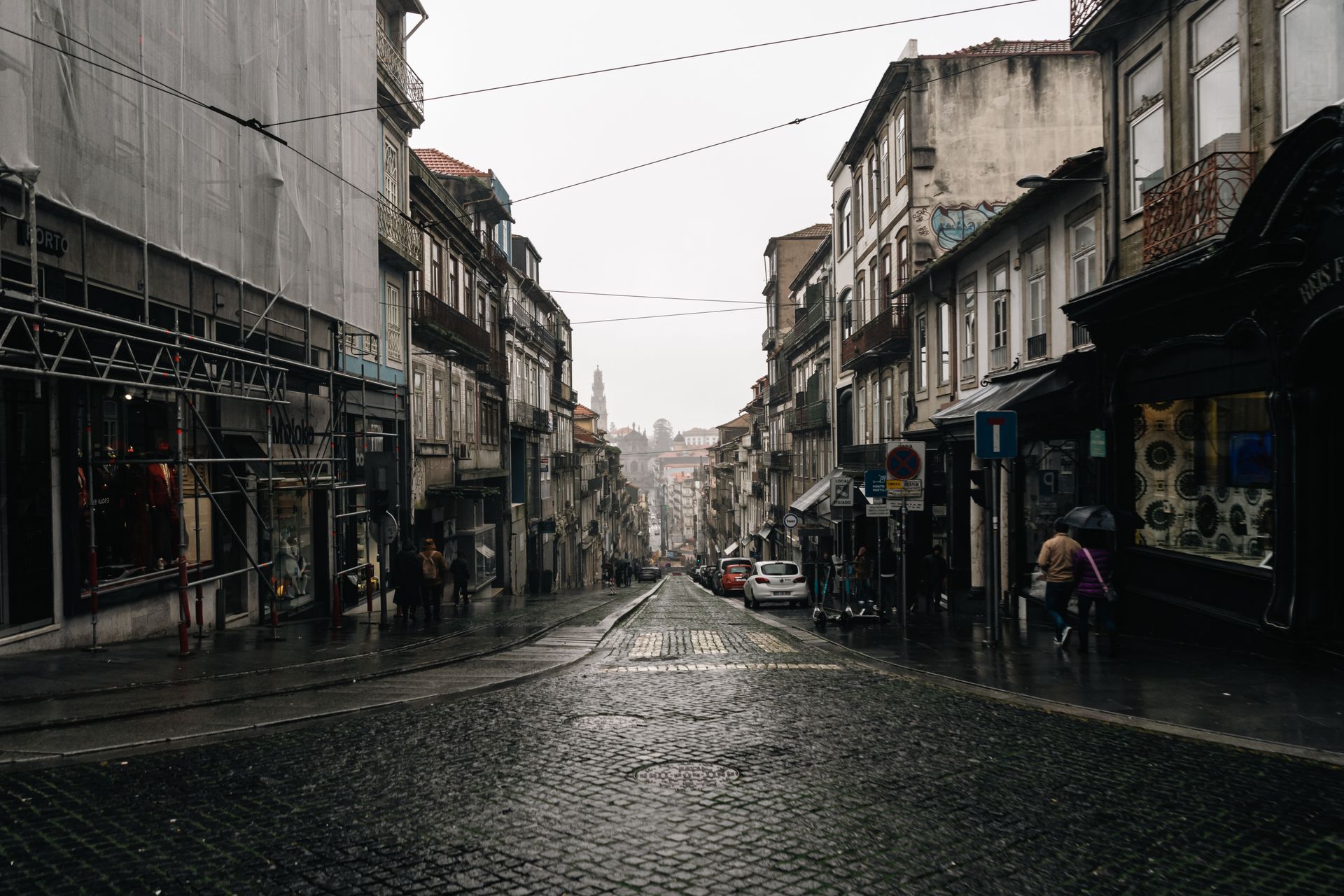
Picturing Tudor England as the "isolated island kingdom" of the 16th century is one of the most enduring history clichés about the period. The real picture is very different. According to London's 1570 census, around 6% of the adult population were migrants from the continent; in provincial cities such as Norwich, Canterbury and Sandwich the share rose above 10%. The new HistoryExtra programme covers that population.
Two official categories stand out in the records of the period: stranger and alien. "Stranger" denoted an individual from another Christian kingdom who shared the same religious community; "alien" was broader and more legally distinct. The line between these terms had practical consequences, from taxation to property ownership.
Flemish weavers were the most visible group in this migration. In 1564, Norwich invited a 300-family weaver community from Bruges and Ypres to reverse a contraction in its textile industry. The same year, Sandwich invited 25 families. The invitations came through a formal contract: weaving technology in return for specific tax exemptions and church services.
Dutch engineers left a different kind of imprint: marsh drainage. In the early 17th century, the Cambridgeshire and Lincolnshire fens were drained under the leadership of the Dutch engineer Cornelis Vermuyden. This was not a simple technology transfer but the structuring of an agricultural region at the scale of the kingdom. The farming geography of these areas still traces back to that period.
French Huguenot craftworkers arrived in waves of religious exile. After the St Bartholomew's Day massacre of 1572, thousands of Huguenot families took refuge in England. This group brought refined crafts such as silk weaving, mirror-making and glass manufacture. The Spitalfields district of London became the capital of Huguenot silk weaving in the 17th century.
Italian merchants represented yet another dimension: finance. London's Lombard Street still carries a name that traces back to this era; Italian bankers had played a structural role in the kingdom's credit system from the 14th century onwards.
Official status ran along a long legal track for migrants. Being recognised as a full English subject — counting as a "denizen" — was possible by special letter from Parliament or the monarchy; in practice this approached the rights of a born subject without becoming fully equal. Full subject status normally required a generational shift.
The internal self-organisation of migrant communities is striking. The Flemish community in Norwich ran its own church (near Strangers' Hall) and its own internal disciplinary mechanism. This is an early version of the modern concept of "diaspora" — a group that could preserve its structure without negotiating into the host country's institutional frame.
Tension was also part of the picture. In the 1517 Evil May Day uprising, apprentices in London targeted Italian and French merchants; the rising was suppressed by royal intervention. It is an early example of how the period's economic competition could turn into social friction.
The broader picture: Tudor England could not have managed its economic transformation — across farming, finance, weaving and construction — without the technical knowledge of migrant communities from the continent. Official terms such as "strangers" and "aliens" drew a boundary while also recognising the structural position of the community. The HistoryExtra programme is a reminder of why this layered framework still matters in modern debates over the history of migration.
Read next
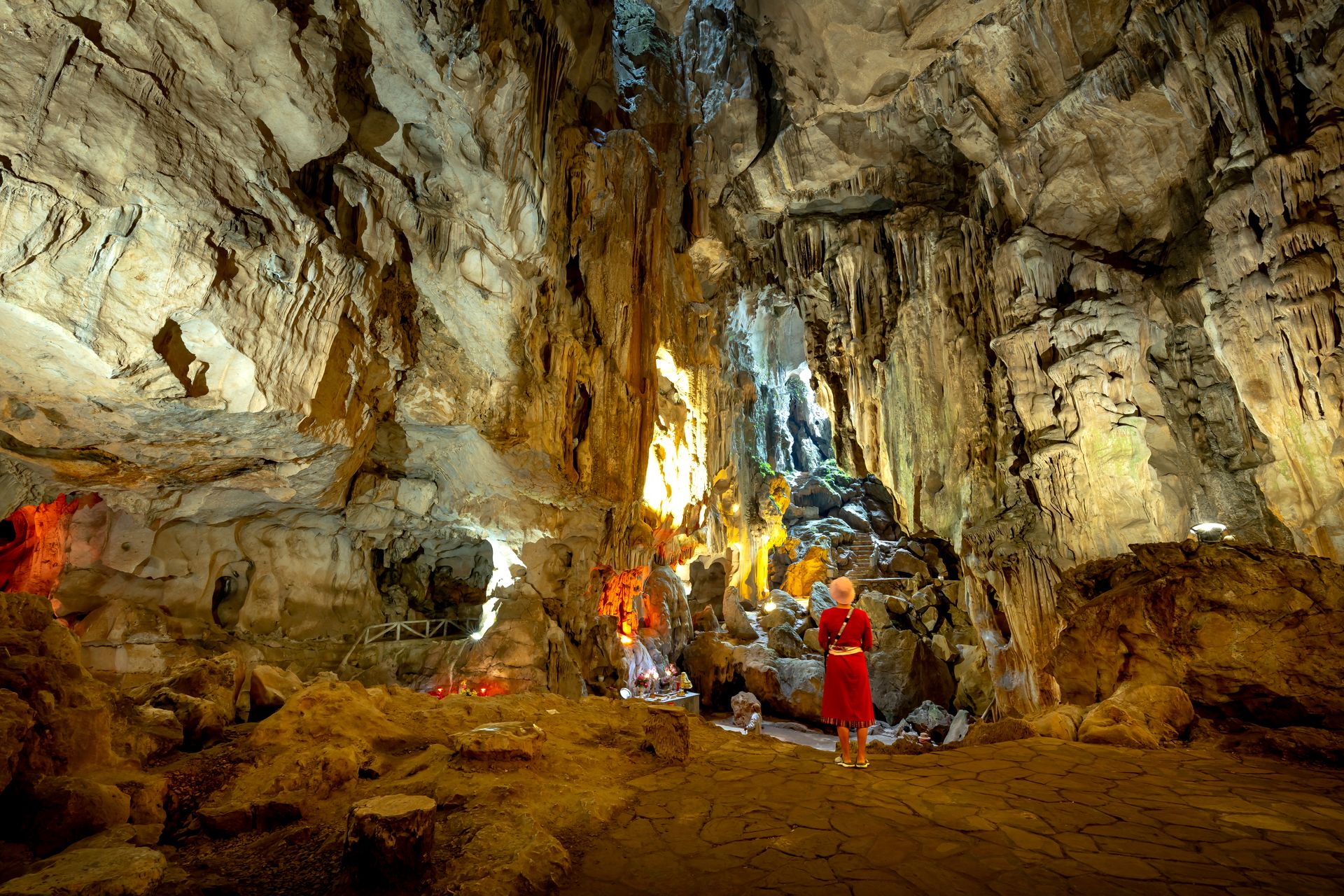
Grotte Scladina: the Belgian cave that preserved a Neanderthal child's fossils
Featured by Atlas Obscura, the Grotte Scladina near Andenne in Belgium is the cave that yielded Neanderthal child fossils which reshaped how researchers think about the species' biology and social life.
The woman who invented Marilyn Monroe: the producer behind Hollywood's most famous figure
A new biographical study summarised by HistoryExtra shows that the Marilyn Monroe image was largely shaped by a single woman — Lucille Ryman Carroll, MGM's talent and image strategist. The piece sets out how Hollywood manufactured one of its most enduring icons.
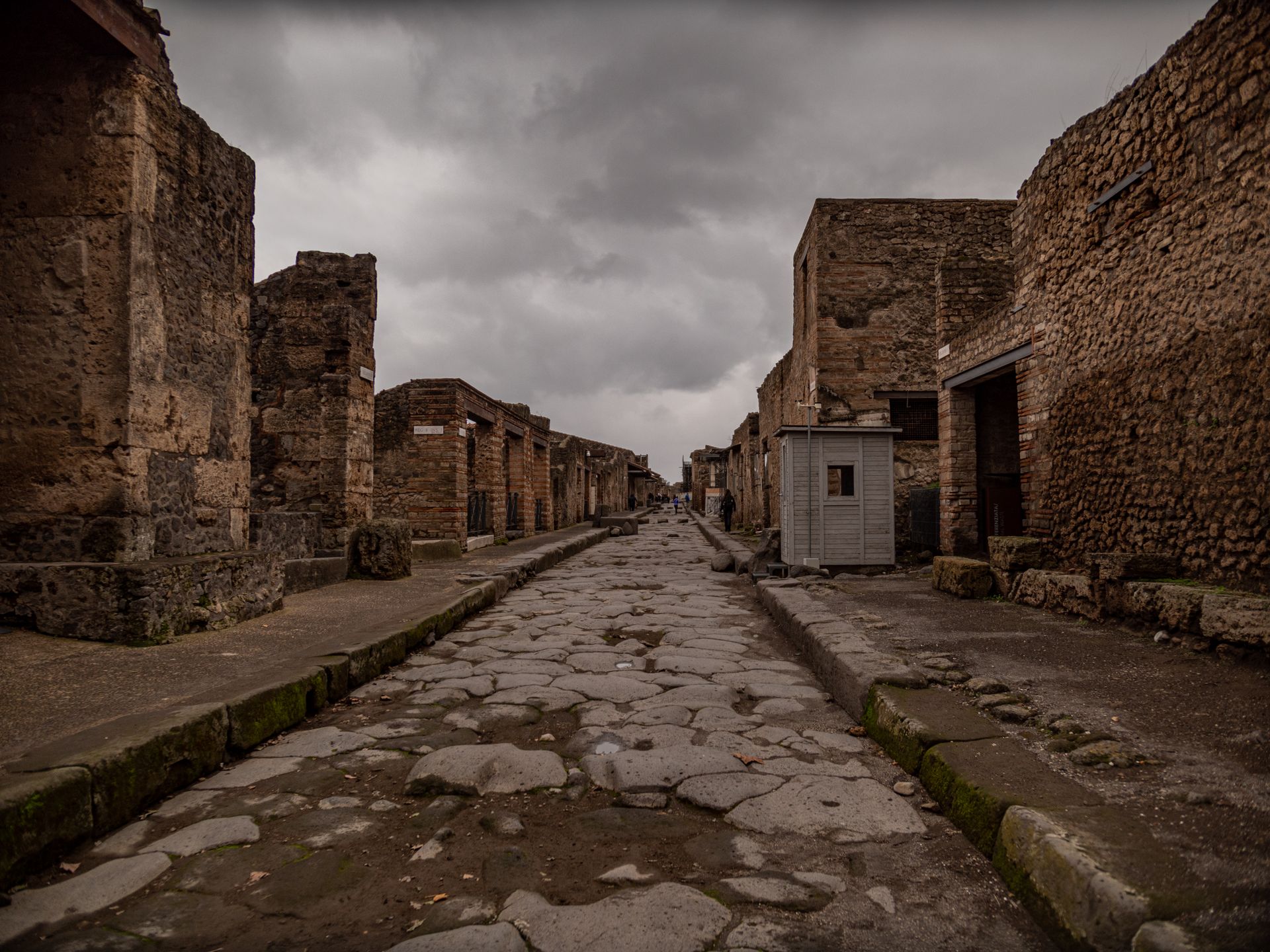
Did the ancient Romans of Pompeii know they were doomed? What the archaeology suggests
Before Vesuvius erupted in 79 CE, the residents of Pompeii and Herculaneum had lived for years with signs of volcanic activity. HistoryExtra brings together ancient sources and recent archaeology to ask how much the population actually grasped of the danger.

LA glitz or Indy's legendary races? Which city is the true epicentre of American sport
A new HistoryExtra programme compares two cities long debated for the title of "capital" of American sport: Los Angeles, the home of the modern star economy, and Indianapolis, the cult city of motorsport. The piece sets out the structural contribution each makes to major sports in historical context.

Ireland's Hellfire Club ruins: how an 18th-century hunting lodge turned into legend
The stone building that sits atop Montpelier Hill, south of Dublin, was built as a modest hunting lodge in 1725. According to Atlas Obscura, in its short working life it became the centre of a series of legends known in Irish folk culture as the "Hellfire Club" — stories that still circulate today.
