The woman who invented Marilyn Monroe: the producer behind Hollywood's most famous figure
Marilyn Monroe — born Norma Jeane Mortenson — is one of the most recognised figures in Hollywood history. "Diamonds are a Girl's Best Friend", the white dress on the subway grate, Some Like It Hot, the breathy "Happy Birthday, Mr. President" sung to JFK. More than sixty years after her early death in 1962 the iconic image is still merchandised, imitated and studied. A new biographical study summarised by HistoryExtra foregrounds the women who shaped that image — producer, photographer and publicity strategist alike.
The study centres on Lucille Ryman Carroll. In the 1940s and 1950s, Carroll worked as a talent agent at MGM; her role was to discover, train and present new star candidates to the public. Like many women in the same role (Joan Crawford's manager Marian Spitzer is another), Carroll's behind-the-scenes influence was an invisible but decisive part of the era's star-manufacturing machinery.
Carroll and Norma Jeane met in 1947. At the time Norma Jeane had moved from factory photography to modelling and small bit-parts. Carroll saw potential and proposed to develop her as an MGM contract candidate. The to-do list ran from hair colour and name to clothing, walk, voice and photographic pose — every element of a planned image-building process.
The name change was the first step. Norma Jeane's surname had already shifted several times (Mortensen, Baker). Carroll suggested "Marilyn Monroe". "Marilyn" came from Carroll's own mother, Marilyn Miller; "Monroe" was Norma Jeane's mother's maiden name. The new name had a fast-recall quality and a sound that was at once warm and elegant.
The hair colour was Carroll's recommendation too. Blonde hair was Hollywood's most successful star trend of the era: Jean Harlow, Lana Turner, Betty Grable. Norma Jeane's dark brown hair was bleached with peroxide to a "platinum blonde" tone. The treatment had to be repeated every few weeks; the monthly haircare budget was substantial in 1940s dollars.
A second key figure introduced by Carroll was the photographer André de Dienes. His 1945–1952 pictures visually document Norma Jeane's transition from model to screen star; they were sold to Look and Esquire and helped move her into public consciousness.
Carroll was central to Norma Jeane's character training too. She arranged for acting lessons with the Actors Studio, where Lee Strasberg taught Marilyn method acting. But Carroll's approach was not pure talent development — it was character construction: elegant, lithe, apparently dim but sharp underneath. The combination is on screen in Some Like It Hot and Gentlemen Prefer Blondes.
Hollywood in this period was an organised star-manufacturing industry. Under the studio system, MGM, Warner Bros and Paramount used long-term contracts to develop star candidates, present them to the public and brand them around film projects. Carroll's role sat on the human-resources side of that production line. Dozens of women like her were active across Hollywood under titles such as "scout", "stylist" and "publicity strategist".
Marilyn Monroe's success layered Norma Jeane's own talent, work ethic and screen presence on top of Carroll's plan. In later interviews Carroll said Marilyn had to learn to play the character but that Norma Jeane's intelligence and physical presence were the starting point. "If Marilyn had been me, she would never have succeeded," Carroll is reported to have said.
Norma Jeane's personal life became less controlled once she moved beyond the studio mechanism. After leaving MGM in 1955 she founded her own production company, worked with Lee Strasberg and sought more serious roles. But mental health, drinking, complicated relationships — Joe DiMaggio, Arthur Miller — were also part of the picture. She died in 1962 at the age of 36 from a barbiturate overdose; the official record reads "probable suicide".
At the close of HistoryExtra's piece, the study's author makes a clear point: the Marilyn Monroe image was not Norma Jeane's solo invention. Behind her stood a network of women who delivered every component of the era's star-production machinery. It is a fact modern feminist historiography has been emphasising: the "stars" of the 20th century are presented as individual miracles, but behind them sits the invisible female frame of industrial work.
Read next
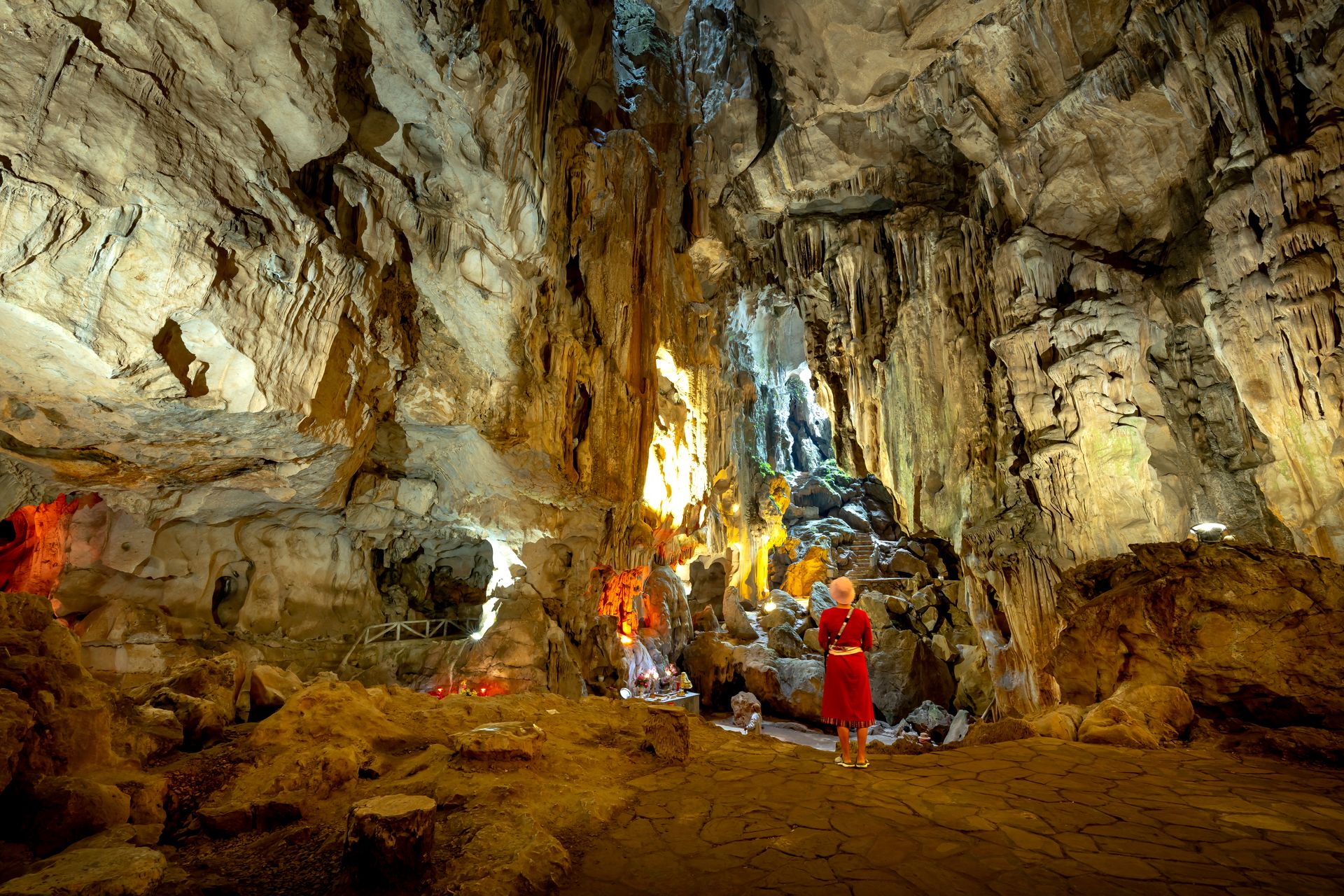
Grotte Scladina: the Belgian cave that preserved a Neanderthal child's fossils
Featured by Atlas Obscura, the Grotte Scladina near Andenne in Belgium is the cave that yielded Neanderthal child fossils which reshaped how researchers think about the species' biology and social life.
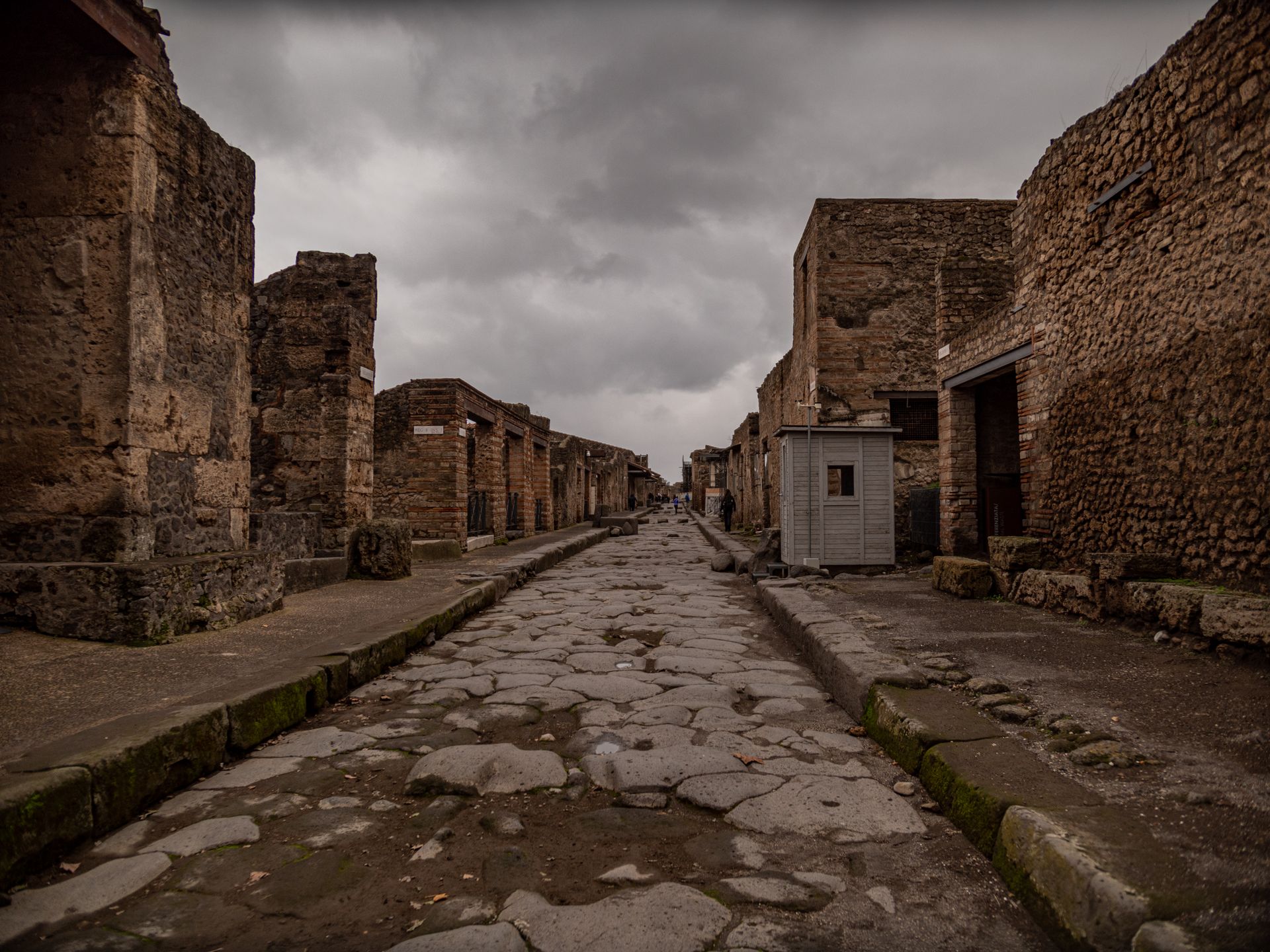
Did the ancient Romans of Pompeii know they were doomed? What the archaeology suggests
Before Vesuvius erupted in 79 CE, the residents of Pompeii and Herculaneum had lived for years with signs of volcanic activity. HistoryExtra brings together ancient sources and recent archaeology to ask how much the population actually grasped of the danger.

LA glitz or Indy's legendary races? Which city is the true epicentre of American sport
A new HistoryExtra programme compares two cities long debated for the title of "capital" of American sport: Los Angeles, the home of the modern star economy, and Indianapolis, the cult city of motorsport. The piece sets out the structural contribution each makes to major sports in historical context.

Ireland's Hellfire Club ruins: how an 18th-century hunting lodge turned into legend
The stone building that sits atop Montpelier Hill, south of Dublin, was built as a modest hunting lodge in 1725. According to Atlas Obscura, in its short working life it became the centre of a series of legends known in Irish folk culture as the "Hellfire Club" — stories that still circulate today.
Strangers and aliens in Tudor England: the story of late medieval Europe's quiet wave of migration
Migrants from continental Europe — Flemish weavers, Dutch engineers, French Huguenot craftworkers, Italian merchants — formed a visible part of the economic fabric of cities in Tudor England. The new HistoryExtra programme examines how official terms such as "strangers" and "aliens" shaped the legal and social framework around them.
