Ireland's Hellfire Club ruins: how an 18th-century hunting lodge turned into legend

Seen from the top of Montpelier Hill, south-west of Dublin, the cluster of stone walls reads from a distance like a two-tier castle. According to Atlas Obscura, the building was in fact a simple hunting lodge commissioned by William Conolly in 1725. Conolly was speaker of the Irish parliament; he was one of the most prominent examples of Europe's upper-middle class at the time.
The building quickly acquired a history that diverged from its intended meaning. A few years after construction, the roof was carried off by a violent storm. Locals said the event was connected to the building stone having been taken from an old burial mound nearby. That was the first layer of legend to attach itself to the structure.
In 1735, a group of aristocrats began using the lodge for regular meetings. Over time the group became known in Irish as "Cluain Tairbh" and in English as the "Hellfire Club." The point historians debate is how much of the club's actual activities was exaggeration and how much was real.
According to primary sources of the era, members held meetings centred mainly on drinking, gambling and religious satire. This was a sub-cultural feature of the 18th-century Anglo-Irish aristocracy. The membership list includes the Earl of Rosse, Henry Barry and the former MP Richard Chappell Whaley. Whaley's son Buck Whaley would add to the legend in the next generation.
Darker stories produced by local folk culture claimed members held Satanic rituals. Atlas Obscura stresses that modern historians are largely sceptical of that claim. A more plausible reading is that the club used religious satire as a tool — much as some intellectual groups do today.
The building itself shows Palladian influences typical of the period. The two-storey plan placed a large sitting room on the upper floor and service rooms on the lower one. The claim that the building stones had been taken from Megalithic-era graves nearby is backed by archaeological surveys in recent decades.
The geography around the building is another element that fed the legend. Montpelier Hill contains Palaeolithic-period transport mounds; a small Bronze Age tomb has been found on the eastern side of the same hill. That regional density helped tip the building from being merely a practical hunting lodge into a more mystical position.
The building was abandoned in the early 19th century. The roof was not repaired again; the interior woodwork was looted. In the 1950s and 60s the area regrew forest cover and came under the protection of Coillte, the national forest authority. The building today stands at the high point of a free walking trail.
In Irish tourism, the Hellfire Club ruins have over the past decade joined a category that has gradually risen to prominence: "dark tourism" routes. The Stoneybatter cemetery, the Hellfire ruin on the hill and Kilmainham Gaol in Dublin are the three layered stops along that route.
The broader message: the Hellfire Club ruins stand more on cultural symbolism than on architectural importance. The building shows how the religious satire of the 18th-century Irish aristocracy intertwined with darker traditional mysticism; its function as a legend factory says more about the stories that orbit it than about the stones themselves. The Atlas Obscura summary is a reminder that the modern visitor, looking out from in front of the structure, is in fact reading a multi-layered history.
Read next
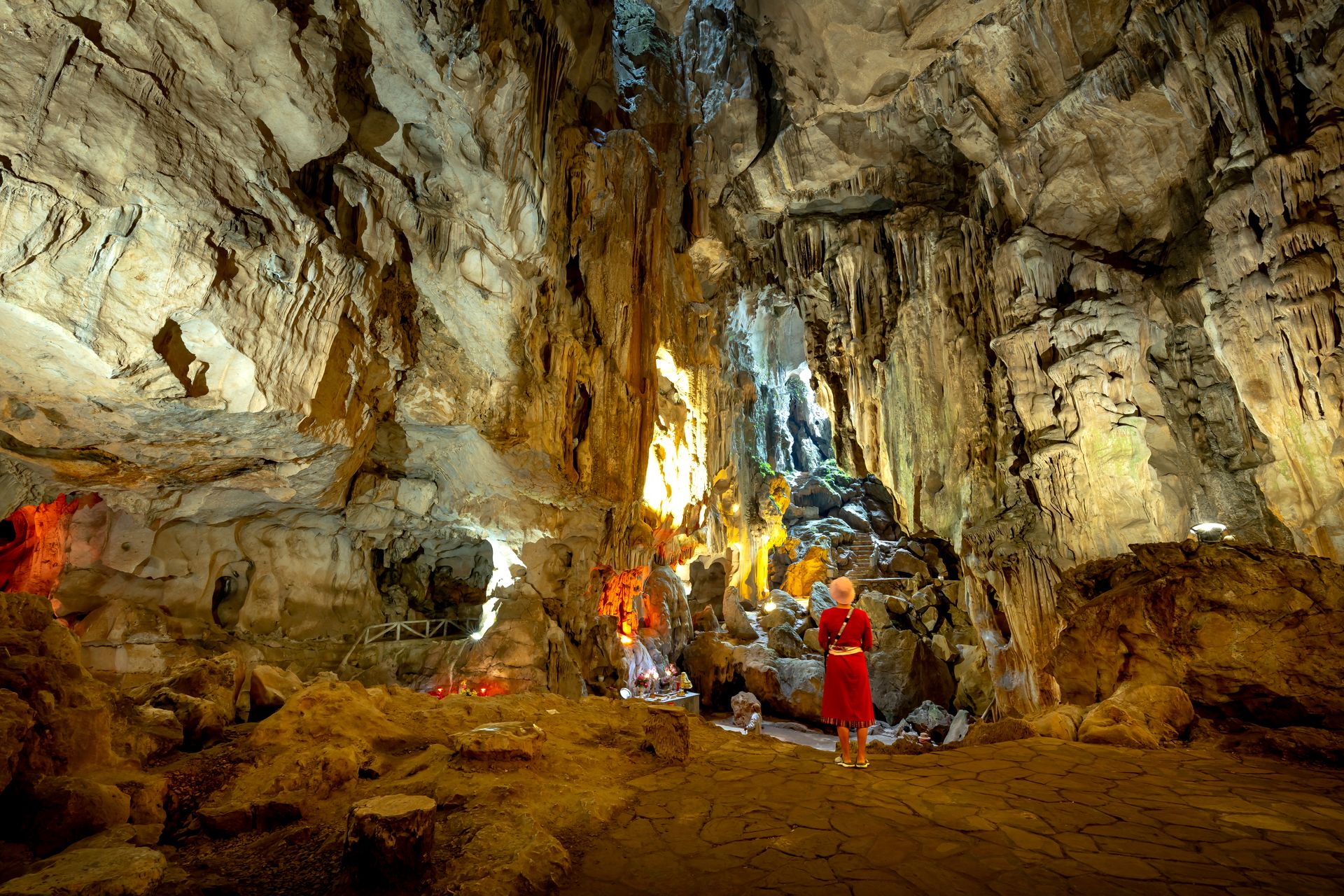
Grotte Scladina: the Belgian cave that preserved a Neanderthal child's fossils
Featured by Atlas Obscura, the Grotte Scladina near Andenne in Belgium is the cave that yielded Neanderthal child fossils which reshaped how researchers think about the species' biology and social life.
The woman who invented Marilyn Monroe: the producer behind Hollywood's most famous figure
A new biographical study summarised by HistoryExtra shows that the Marilyn Monroe image was largely shaped by a single woman — Lucille Ryman Carroll, MGM's talent and image strategist. The piece sets out how Hollywood manufactured one of its most enduring icons.
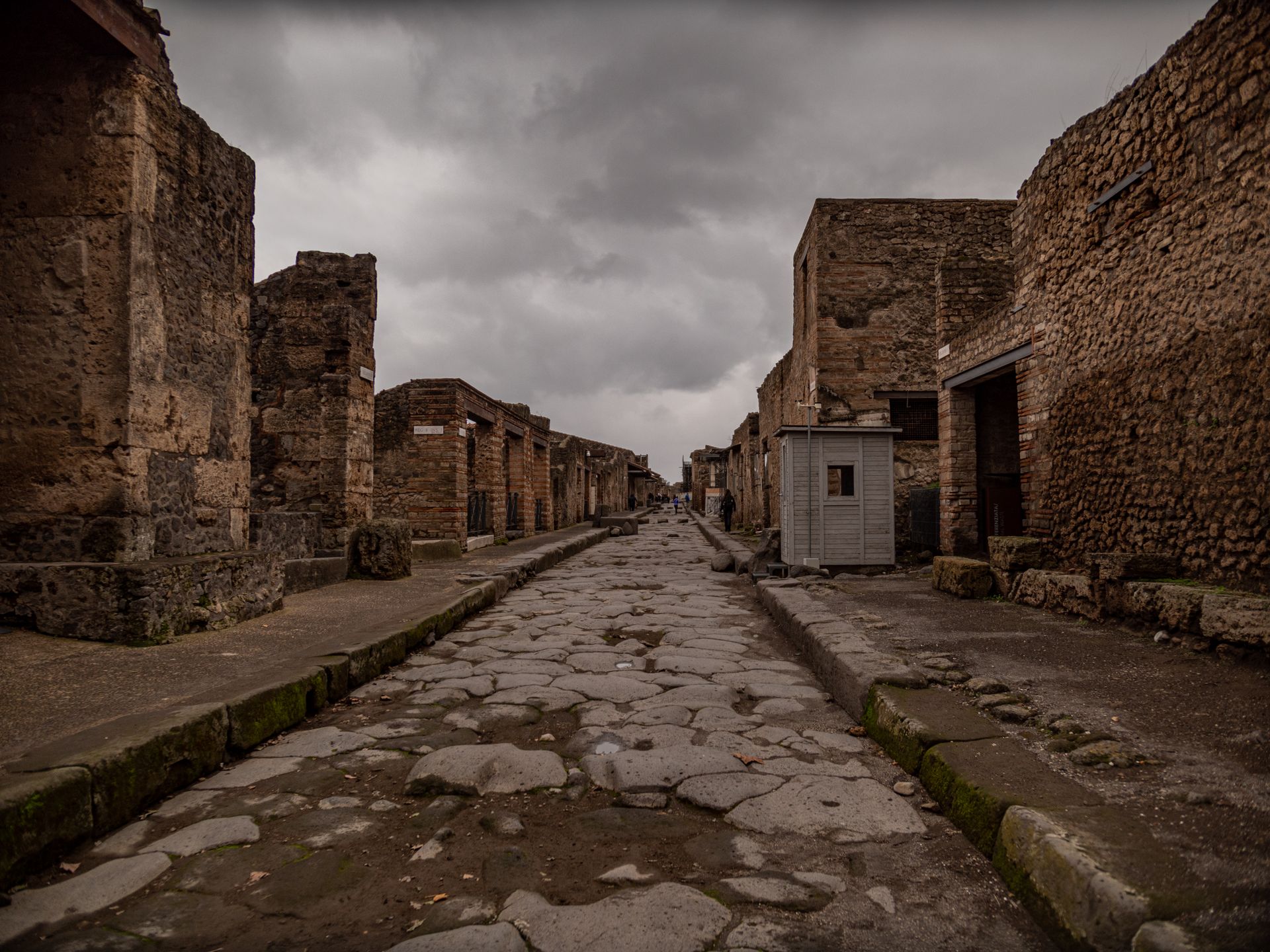
Did the ancient Romans of Pompeii know they were doomed? What the archaeology suggests
Before Vesuvius erupted in 79 CE, the residents of Pompeii and Herculaneum had lived for years with signs of volcanic activity. HistoryExtra brings together ancient sources and recent archaeology to ask how much the population actually grasped of the danger.

LA glitz or Indy's legendary races? Which city is the true epicentre of American sport
A new HistoryExtra programme compares two cities long debated for the title of "capital" of American sport: Los Angeles, the home of the modern star economy, and Indianapolis, the cult city of motorsport. The piece sets out the structural contribution each makes to major sports in historical context.
Strangers and aliens in Tudor England: the story of late medieval Europe's quiet wave of migration
Migrants from continental Europe — Flemish weavers, Dutch engineers, French Huguenot craftworkers, Italian merchants — formed a visible part of the economic fabric of cities in Tudor England. The new HistoryExtra programme examines how official terms such as "strangers" and "aliens" shaped the legal and social framework around them.
