Grotte Scladina: the Belgian cave that preserved a Neanderthal child's fossils
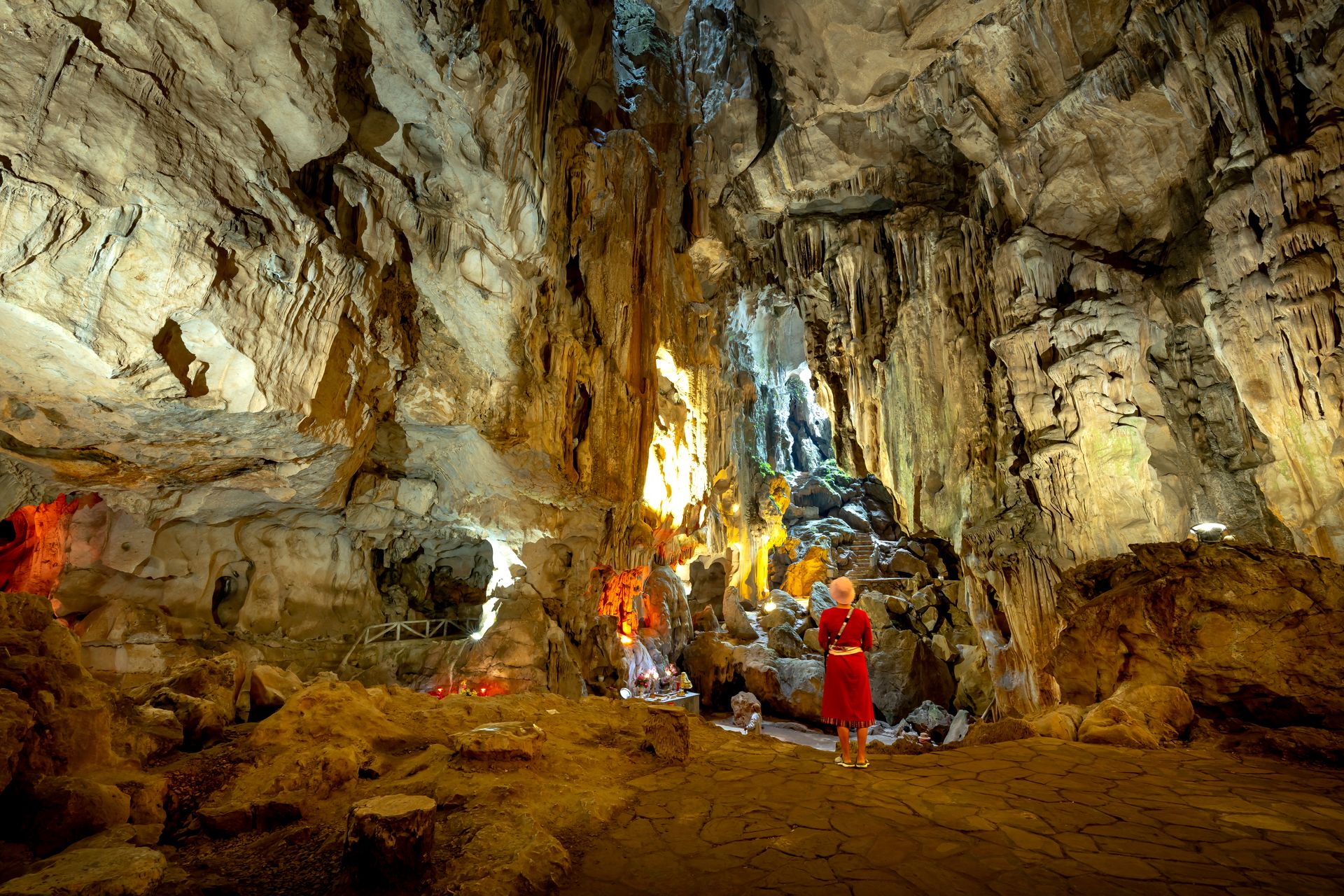
In Belgium's Wallonia region, near the small town of Andenne in the Meuse Valley, a cave is tucked under a rocky hillside: the Grotte Scladina. Discovered by a group of amateur archaeologists in 1971, it has become one of the most valuable archaeological sites in the world. Atlas Obscura's feature sets out both the cave's geography and its place in scientific history.
Geologically, the cave is a classic karst formation. Water erosion across Belgium's Middle Devonian limestone created deep galleries and chambers over millions of years. Scladina's distinctive feature is that it remained continuously sealed during the late Pleistocene — roughly 80,000 to 40,000 years ago. That continuous seal allowed the sediments and fossils inside to be preserved in excellent condition.
The critical finds came in 1993. An excavation in the cave's deep gallery uncovered Neanderthal bones and teeth. Detailed analysis in the years that followed showed the bones belonged to a roughly 9-year-old Neanderthal child. The child was nicknamed "Scladina-Andenne" and is widely known in the literature as the "Scladina child".
The age of the bones — established through typology and flora comparison — is estimated at between 127,000 and 80,000 years. That makes them among the best-preserved late-Middle-Pleistocene Neanderthal remains found in Europe. Tooth structure, bone growth and mineralisation provided much of what scientists now know about Neanderthal childhood biology.
The Scladina child contributed in several major ways. The first is developmental pace: the order of tooth formation and mineralisation profile show that Neanderthal children developed more rapidly than modern humans. That points to a different biological life strategy — earlier adolescence, shorter childhood, perhaps earlier reproduction.
The second contribution is social structure. The Scladina child's bones show wear that is unusual for that age, suggesting a physically demanding life. Mineral samples taken from the teeth — strontium isotope analysis in particular — showed that the child had lived in different geographic regions. That supports the picture of Neanderthal groups moving across territories.
A more advanced analysis in 2009 extracted the Scladina child's mitochondrial DNA. It is one of the oldest examples of Neanderthal mitochondrial DNA recovered. The results showed the Scladina child was closely related to other European Neanderthal samples. The DNA work helped reframe the geographic structure of the Neanderthal population.
Human remains were not the only finds. The same sediment layers held bones of horse, deer, cave bear, wolf and other Pleistocene mammals. That made it possible to reconstruct the environment around Neanderthal life. Stone tools and evidence of fire use were also found — important confirmation of Mousterian technology in Belgium.
In the period when the cave was open, late-Pleistocene Belgium had a very different climate. The cold of the glacial era supported broad tundra-steppe ecosystems; mammoths and horses were the dominant large mammals. Neanderthals adapted to this harsh climate as a physically strong, short, broad-chested species.
Grotte Scladina remains an active excavation site. The University of Liège's archaeology department runs new digs each year. The cave is partly open to the public, with guided tours by reservation. Atlas Obscura's note describes the site as a "time capsule into pre-industrial Europe's deep past".
The broader story is that Scladina is a small but defining point on the map of Neanderthal research. The bones and tools recovered there have served as a bridge in the scientific reassessment of Neanderthals. The species, once described in the early 20th century as "primitive" and "mindless", has been repainted — with data from Scladina and similar sites — as a relative that practised symbolic thinking, lived in social groups and used advanced tool technology. A small Belgian cave holds its place on the map of modern archaeology as one of the data sources behind that major revision.
Read next
The woman who invented Marilyn Monroe: the producer behind Hollywood's most famous figure
A new biographical study summarised by HistoryExtra shows that the Marilyn Monroe image was largely shaped by a single woman — Lucille Ryman Carroll, MGM's talent and image strategist. The piece sets out how Hollywood manufactured one of its most enduring icons.
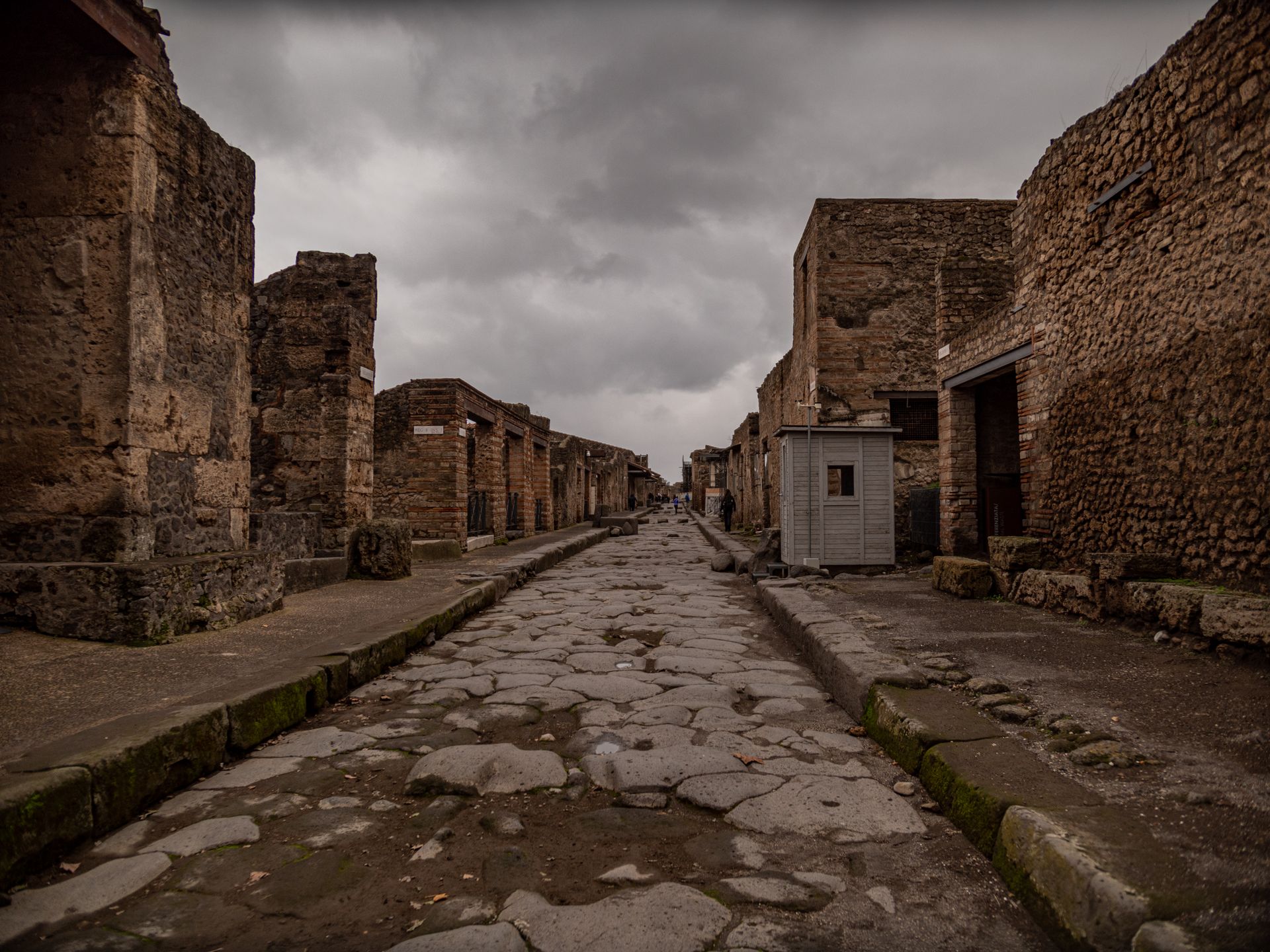
Did the ancient Romans of Pompeii know they were doomed? What the archaeology suggests
Before Vesuvius erupted in 79 CE, the residents of Pompeii and Herculaneum had lived for years with signs of volcanic activity. HistoryExtra brings together ancient sources and recent archaeology to ask how much the population actually grasped of the danger.

LA glitz or Indy's legendary races? Which city is the true epicentre of American sport
A new HistoryExtra programme compares two cities long debated for the title of "capital" of American sport: Los Angeles, the home of the modern star economy, and Indianapolis, the cult city of motorsport. The piece sets out the structural contribution each makes to major sports in historical context.

Ireland's Hellfire Club ruins: how an 18th-century hunting lodge turned into legend
The stone building that sits atop Montpelier Hill, south of Dublin, was built as a modest hunting lodge in 1725. According to Atlas Obscura, in its short working life it became the centre of a series of legends known in Irish folk culture as the "Hellfire Club" — stories that still circulate today.
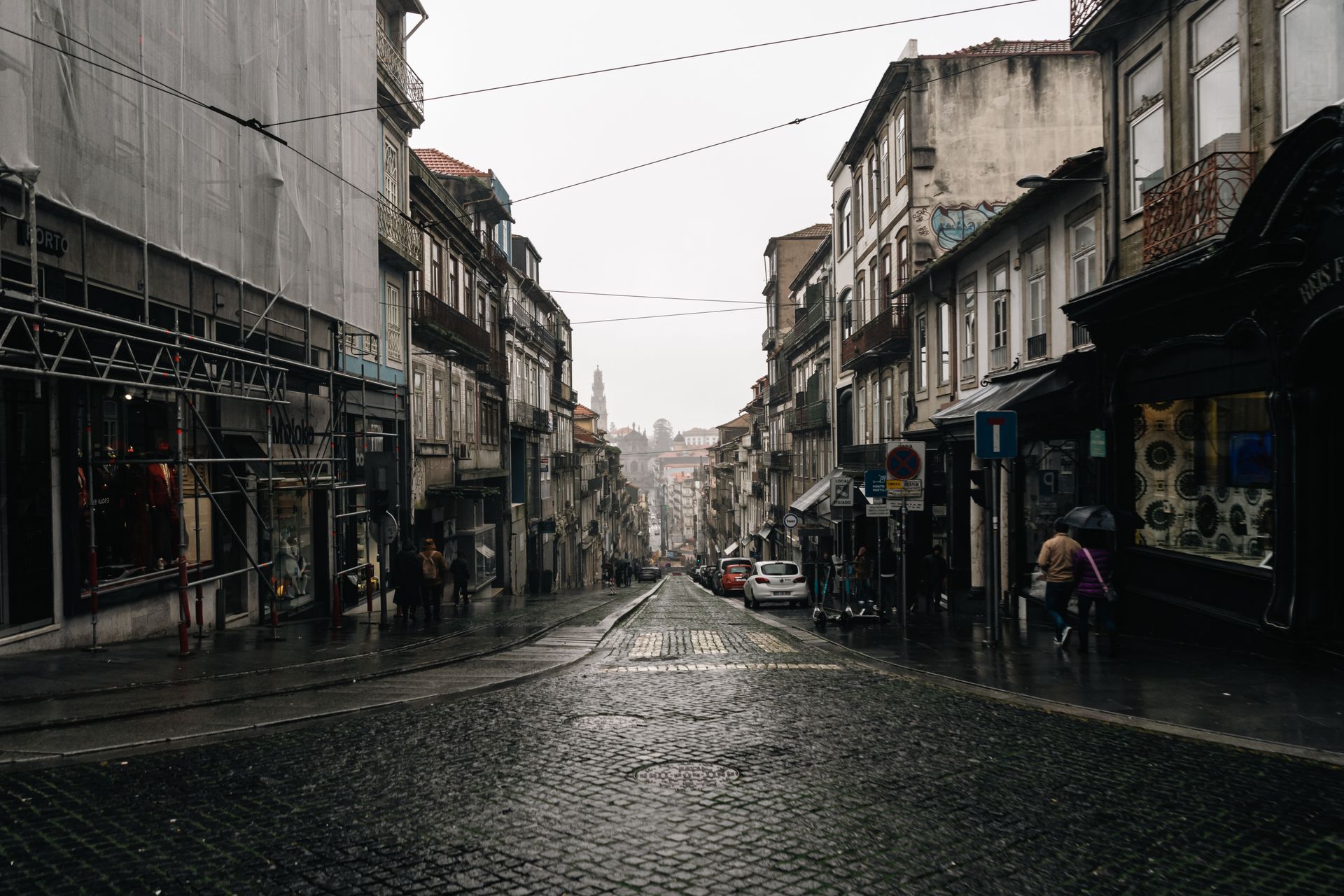
Strangers and aliens in Tudor England: the story of late medieval Europe's quiet wave of migration
Migrants from continental Europe — Flemish weavers, Dutch engineers, French Huguenot craftworkers, Italian merchants — formed a visible part of the economic fabric of cities in Tudor England. The new HistoryExtra programme examines how official terms such as "strangers" and "aliens" shaped the legal and social framework around them.
