Did the ancient Romans of Pompeii know they were doomed? What the archaeology suggests
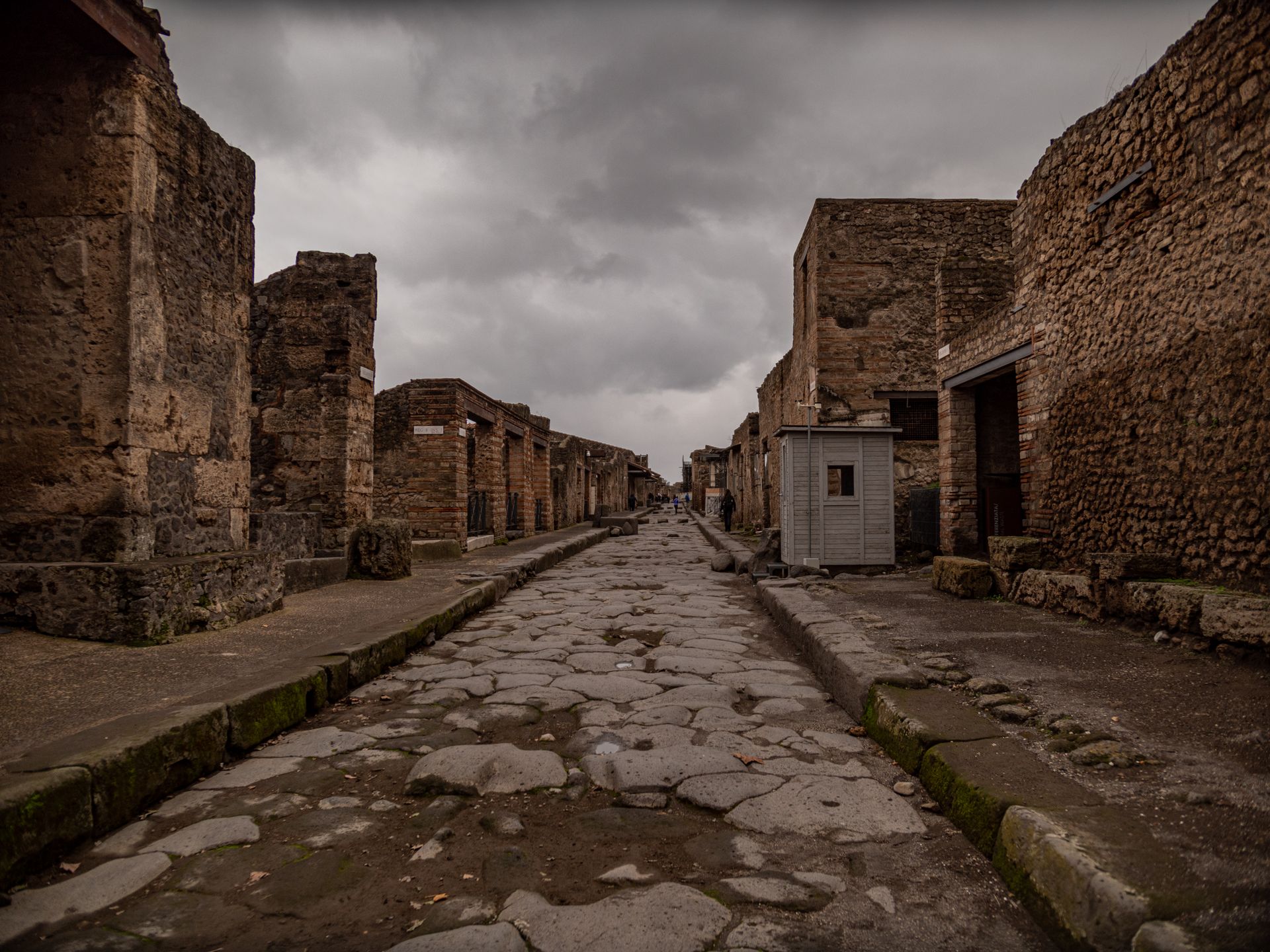
In August or October 79 CE — the exact date is still debated — Vesuvius erupted and buried Pompeii, Herculaneum and the surrounding settlements under ash and pyroclastic flow. Somewhere between 2,000 and 15,000 people died. For nineteen centuries, archaeologists have asked the same question: did the inhabitants notice the warning signs of the catastrophe coming?
HistoryExtra runs an interview with Gabriel Zuchtriegel, director of the Pompeii Archaeological Park, and a summary of the past decade's findings. The answer is layered. Many warning signs were present, and the population noticed several of them — but the modern concept of a "volcanic threat" did not yet exist.
The Roman view of Vesuvius is, by modern standards, strange. Ancient writers — notably Strabo (1st century BCE) and Vitruvius (1st century BCE) — describe the mountain as an active volcano. Strabo refers to the summit as bearing "burnt-looking" rocks and caves; Vitruvius lists evidence of earlier eruptions. But the most recent eruption had been around 600 BCE — the mountain had been silent for seven centuries before 79 CE. To local residents, it was fertile soil and broad forest, not a volcano.
In 62 CE, a major earthquake hit Pompeii. Seneca's Naturales Quaestiones records it in detail: it destroyed a substantial portion of the city. Much was rebuilt over the following decades. Archaeologists today say Pompeii was still an active construction site at the moment of the 79 CE eruption, with more than half its houses in some state of restoration.
In the years after the earthquake, smaller tremors continued. In his famous letter to Tacitus, Pliny the Younger wrote that in the days before the eruption "slight earth shocks" had become a routine occurrence and locals barely noticed. Pliny's phrasing is critical: "shocks were very common in Campania". That tells us the population did not read earthquakes as a major signal.
The past decade of Pompeii archaeology has added new data. Excavations at the Insula dei Casti Amanti uncovered evidence that in the days before the eruption water wells dried up, animals fled and vines withered in unusual ways. To a volcanologist, that is a textbook profile of magma approaching the surface. But the Romans had no science with which to read these signs as a coherent "volcanic warning".
Pliny the Younger's letter is the most detailed account of the day itself. In the afternoon, he wrote, a great cloud rose from the mountain; its shape resembled an umbrella pine. Pliny's uncle, Pliny the Elder, was the commander of the Roman navy at Misenum; on seeing the cloud he dispatched ships to evacuate residents. He himself died in the eruption.
The archaeological evidence of flight and resistance is varied. Many of the skeletons found at Pompeii lay inside locked houses with their jewellery, suggesting people who chose to flee at the last moment but could not. At Herculaneum, around 300 skeletons were found in a beachfront boat shelter; those people were waiting for ships when the pyroclastic flow caught them. They had hoped to escape "once the tide turned and waves were calmer".
Many others stayed in their homes or tried to flee far too late. The signs had been underweighted; the population could not grasp the scale of the threat. A modern volcanologist would describe what Vesuvius did as a seven-day "crisis" during which evacuation was possible. For ancient Romans, the same crisis could be read as a religious omen, a routine natural event or a sign of prophecy.
Professor Zuchtriegel's lesson is that the Romans lacked the intellectual tools to understand what Vesuvius was. They did not know what volcanoes were, how magma behaves or what pre-eruption signs meant. Yet the past decade of evidence shows part of the population did sense something was wrong, did try to leave and was simply too late.
The overall picture: Pompeii's residents did not "know" they were doomed — there was no such cognitive frame. But they felt the warnings, were troubled by the earthquakes and the strange signs, prepared their homes, gathered their jewellery. Historians describe the story as a tragic case of how a population behaves in the face of a natural disaster they have no scientific framework to interpret.
Read next
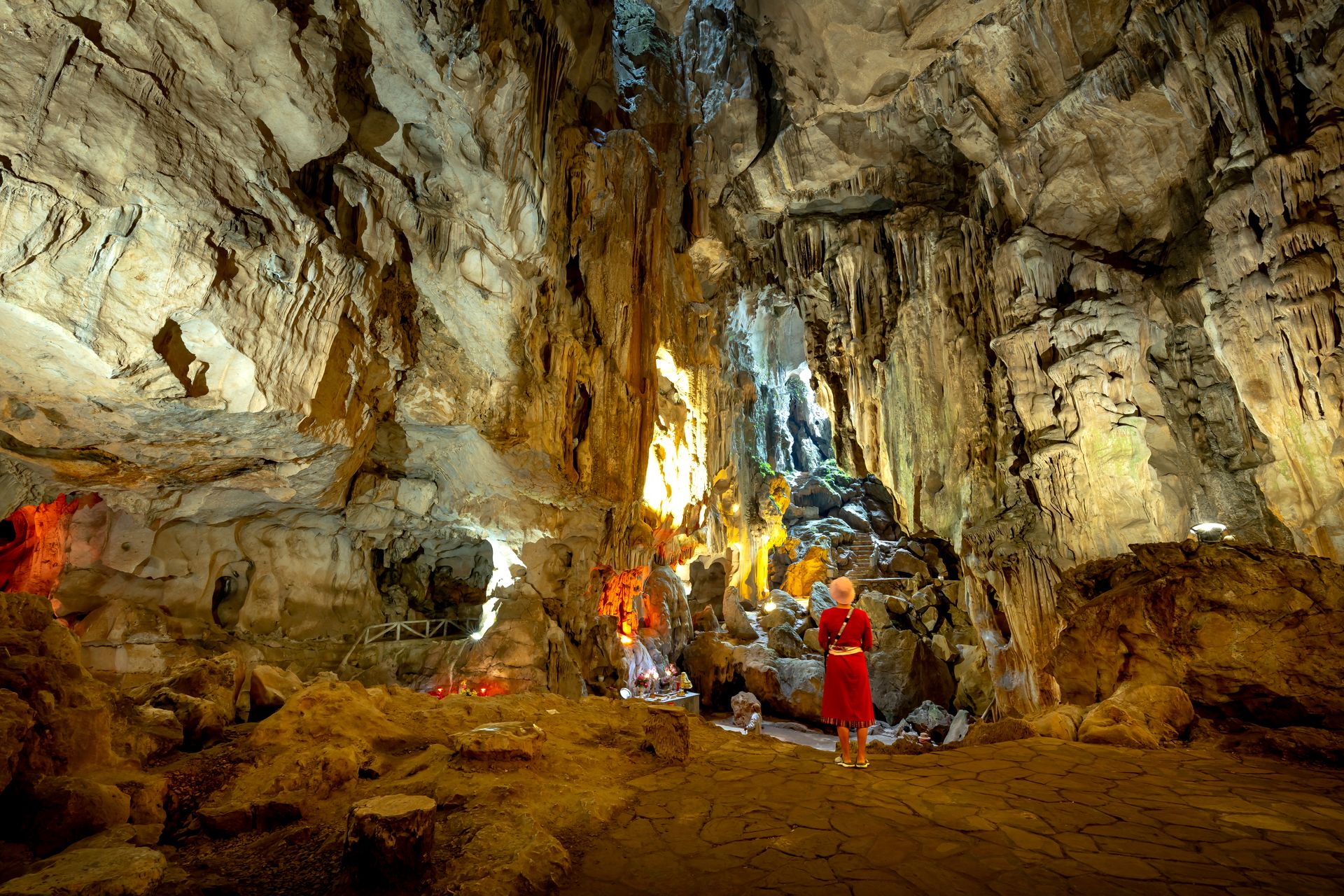
Grotte Scladina: the Belgian cave that preserved a Neanderthal child's fossils
Featured by Atlas Obscura, the Grotte Scladina near Andenne in Belgium is the cave that yielded Neanderthal child fossils which reshaped how researchers think about the species' biology and social life.
The woman who invented Marilyn Monroe: the producer behind Hollywood's most famous figure
A new biographical study summarised by HistoryExtra shows that the Marilyn Monroe image was largely shaped by a single woman — Lucille Ryman Carroll, MGM's talent and image strategist. The piece sets out how Hollywood manufactured one of its most enduring icons.

LA glitz or Indy's legendary races? Which city is the true epicentre of American sport
A new HistoryExtra programme compares two cities long debated for the title of "capital" of American sport: Los Angeles, the home of the modern star economy, and Indianapolis, the cult city of motorsport. The piece sets out the structural contribution each makes to major sports in historical context.

Ireland's Hellfire Club ruins: how an 18th-century hunting lodge turned into legend
The stone building that sits atop Montpelier Hill, south of Dublin, was built as a modest hunting lodge in 1725. According to Atlas Obscura, in its short working life it became the centre of a series of legends known in Irish folk culture as the "Hellfire Club" — stories that still circulate today.
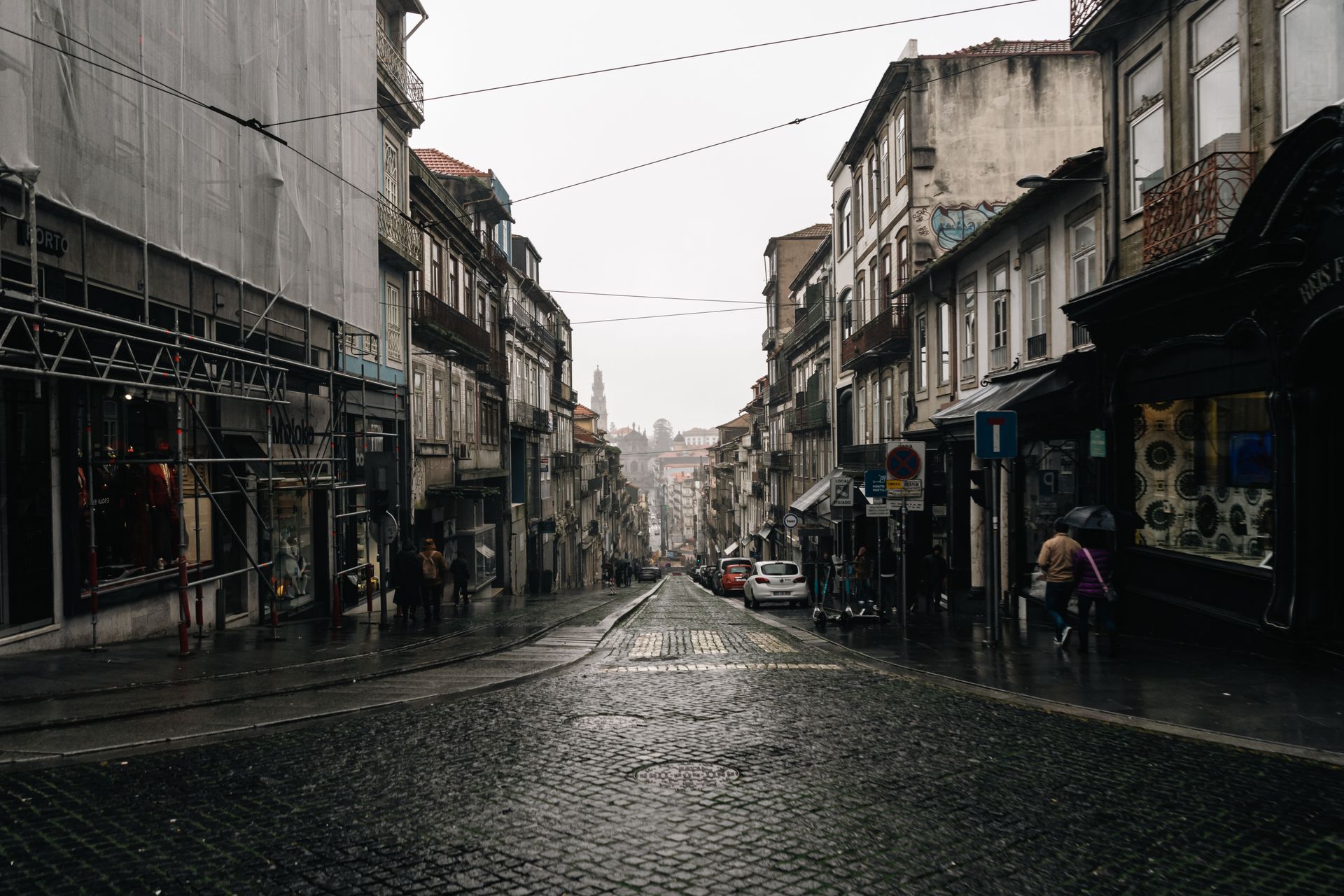
Strangers and aliens in Tudor England: the story of late medieval Europe's quiet wave of migration
Migrants from continental Europe — Flemish weavers, Dutch engineers, French Huguenot craftworkers, Italian merchants — formed a visible part of the economic fabric of cities in Tudor England. The new HistoryExtra programme examines how official terms such as "strangers" and "aliens" shaped the legal and social framework around them.
