On this day: the atomic bombing of Nagasaki (1945)

On the morning of August 9, 1945, a US Army Air Forces B-29 bomber named Bockscar dropped a plutonium implosion bomb code-named "Fat Man" over Nagasaki, a port city in southwestern Japan. The bomb detonated at approximately 11:02 a.m. local time, roughly 500 meters above the city.
Nagasaki had not originally been the primary target. The bomber crew's intended destination was the city of Kokura, but heavy cloud cover and smoke obscured the visual sighting required for the bombing run, forcing the crew — constrained by limited fuel — to divert to the secondary target of Nagasaki.
The blast leveled much of the city within seconds. Historians estimate that between 40,000 and 80,000 people died by the end of the year from the immediate blast and subsequent radiation-related illness, though the exact figure remains a subject of historical debate due to incomplete records.
The attack came just three days after the United States dropped its first atomic bomb on Hiroshima. The short interval between the two bombings left Japan's leadership very little time to deliberate or respond.
On the same day, the Soviet Union also declared war on Japan and launched an invasion of Manchuria — a development historians frequently cite as another significant pressure on Japan's military leadership at the same critical moment.
Within a week of the Nagasaki bombing, Emperor Hirohito announced Japan's unconditional surrender in a radio broadcast on August 15, effectively bringing the Second World War to a close.
Historians continue to debate how much weight the atomic bombings carried in Japan's decision to surrender. Some researchers argue the bombings were decisive, while others contend that the Soviet entry into the war and Japan's existing military situation were at least as influential.
Nagasaki remains, to this day, the last instance of a nuclear weapon used in armed conflict. The city is now home to a Peace Park and museum dedicated to commemorating the attack.
Memorial ceremonies are held in Nagasaki every year on August 9, focused both on honoring the lives lost and on calls for nuclear disarmament.
More than 80 years on, the event remains central to the global debate over the impact of nuclear weapons on humanity, with historians and policymakers continuing to discuss how that legacy should shape future disarmament policy.
Read next

Why did accused witches confess? What historians have found
Across 17th-century Europe and North America, thousands of people were accused of witchcraft, and many confessed. Historian Marion Gibson's research shows those confessions emerged from a complex mix of torture, social pressure, and the era's own understanding of the world.
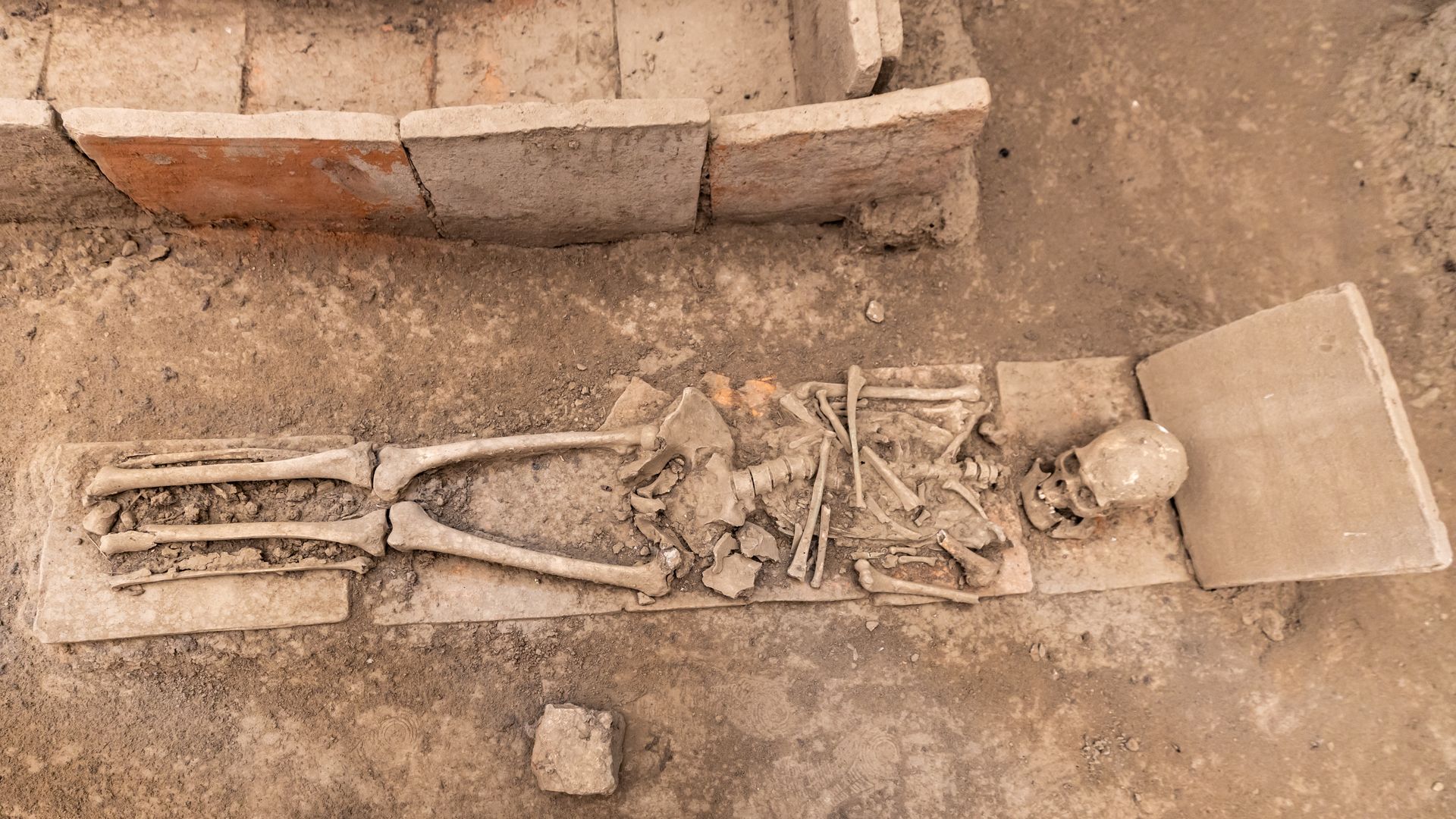
Why were these 18 Iron Age skeletons all buried the same strange way
The excavation of a roughly 2,000-year-old burial site revealed eighteen skeletons all buried upright, in the same unusual position. Archaeologists are weighing several theories about what the practice might mean.

On this day: Beijing turned an opening ceremony into legend on 08-08-08
On August 8, 2008, at exactly 8:08 pm, the opening ceremony of the Beijing Summer Olympics began — a historic spectacle built around the number eight's auspicious meaning in Chinese culture and directed by filmmaker Zhang Yimou. It became a defining symbol of China's arrival on the global stage.
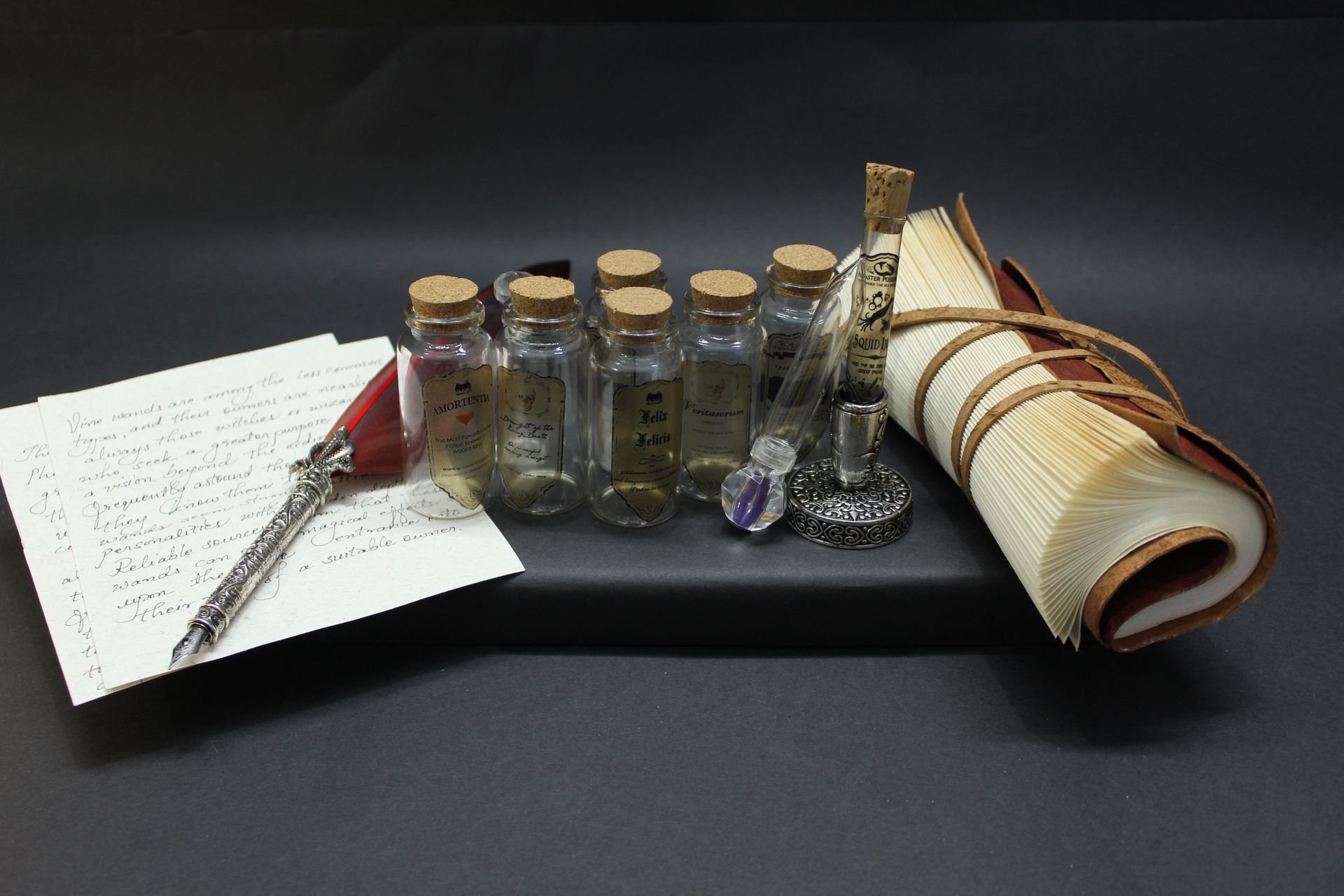
What is the Devise for the Succession, and how did it trigger a Tudor crisis
According to HistoryExtra, the dying teenage King Edward VI attempted to rewrite England's line of succession in his own hand in 1553. The illegal document sought to disinherit his sisters Mary and Elizabeth and place his Protestant cousin, Lady Jane Grey, on the throne.
On this day: Philippe Petit walks a tightrope between the Twin Towers (1974)
On August 7, 1974, French high-wire artist Philippe Petit walked across a wire he had illegally rigged between the recently completed Twin Towers of New York's World Trade Center. Performed roughly 400 meters above the street, the feat captivated the world and later became the subject of an Oscar-winning documentary.