Why did accused witches confess? What historians have found
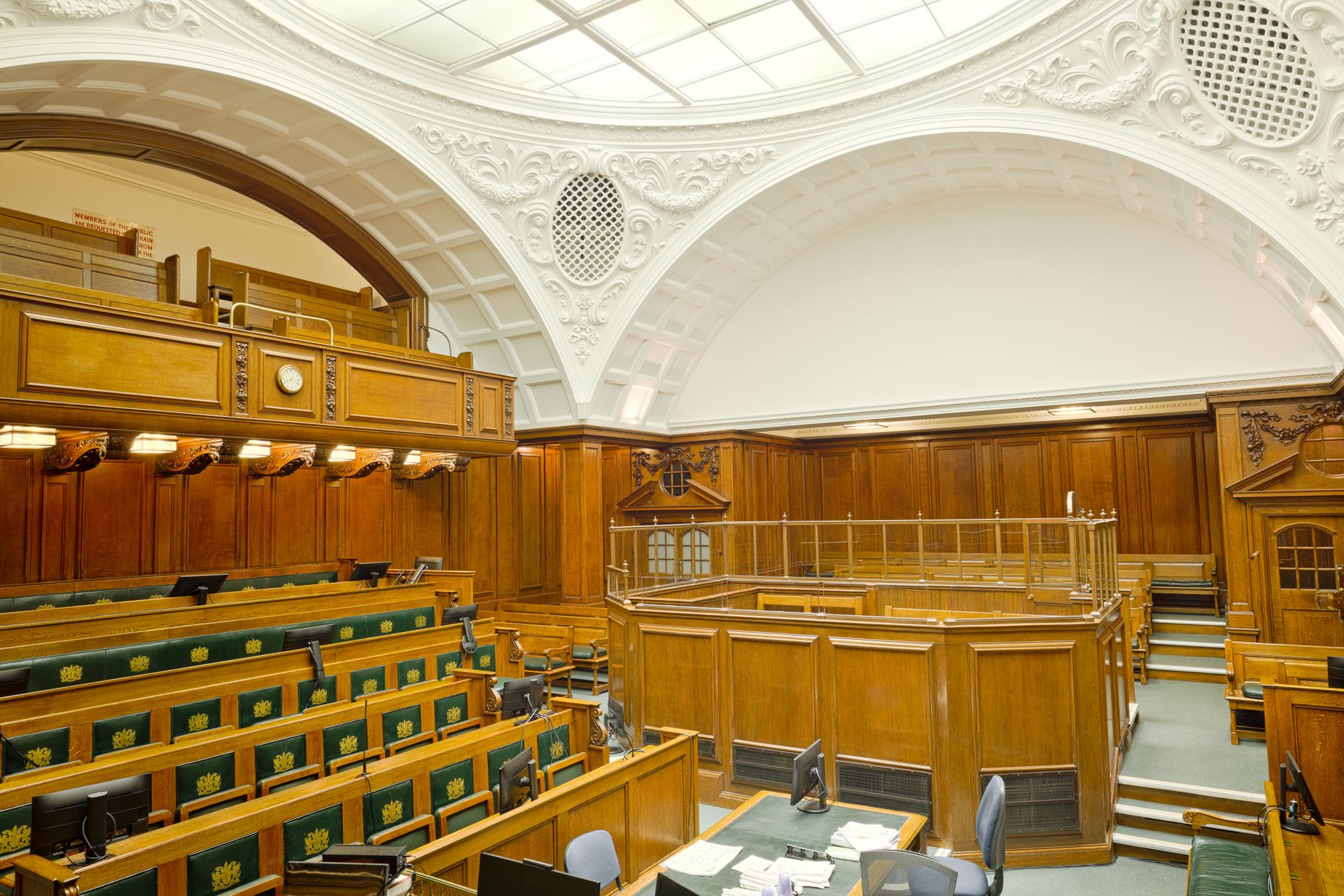
Court records from 17th-century Europe and North America reveal a striking pattern: a significant number of the thousands of people accused of witchcraft confessed to acts that appear, by modern standards, impossible — making a pact with the devil, transforming into an animal, casting spells on neighbors.
Historian Marion Gibson's research seeks to understand what drove those confessions. The findings point not to a single explanation but to several intertwined factors converging at once.
The most direct cause is torture, which was legally sanctioned in many European judicial systems of the time. Under physical duress, it was common for a defendant to say whatever their interrogators wanted to hear, regardless of whether it was true.
Gibson emphasizes, however, that not every confession can be explained by torture alone. In many cases, defendants confessed without any documented physical coercion — pointing to other psychological and social forces at work.
The era's distinct worldview plays a major role here. Belief that witchcraft was real and effective was widespread across 17th-century Europe; a defendant could genuinely come to believe their own actions had caused misfortunes, such as a failed harvest or a child's illness.
Social isolation was another significant factor. Those targeted were frequently older, widowed, or otherwise marginalized women who had limited social support or access to legal knowledge to mount a defense.
Some historians also suggest that confessing could function as a strategic choice in certain cases: a defendant might have hoped that playing the role of a repentant sinner would earn mercy, or a lighter sentence than execution — though this strategy frequently failed.
Gibson's work also notes that court records typically document only the final confession, not the interrogation process itself, which makes it difficult for historians to distinguish how much of a confession reflected the defendant's own words versus the interrogator's expectations.
This line of research treats 17th-century witch trials not merely as a historical curiosity, but as a broader case study in how fear, social exclusion, and coercive interrogation shape human behavior.
For modern historians, these confessions offer a lesson that remains relevant to questions of testimony reliability under legal pressure: that a person confessing to something does not mean it actually happened.
Read next

On this day: the atomic bombing of Nagasaki (1945)
On August 9, 1945, the United States dropped a second atomic bomb on the Japanese city of Nagasaki — the last nuclear weapon ever used in armed conflict. The attack came just three days after the bombing of Hiroshima and marked a decisive turning point on the path to Japan's surrender.
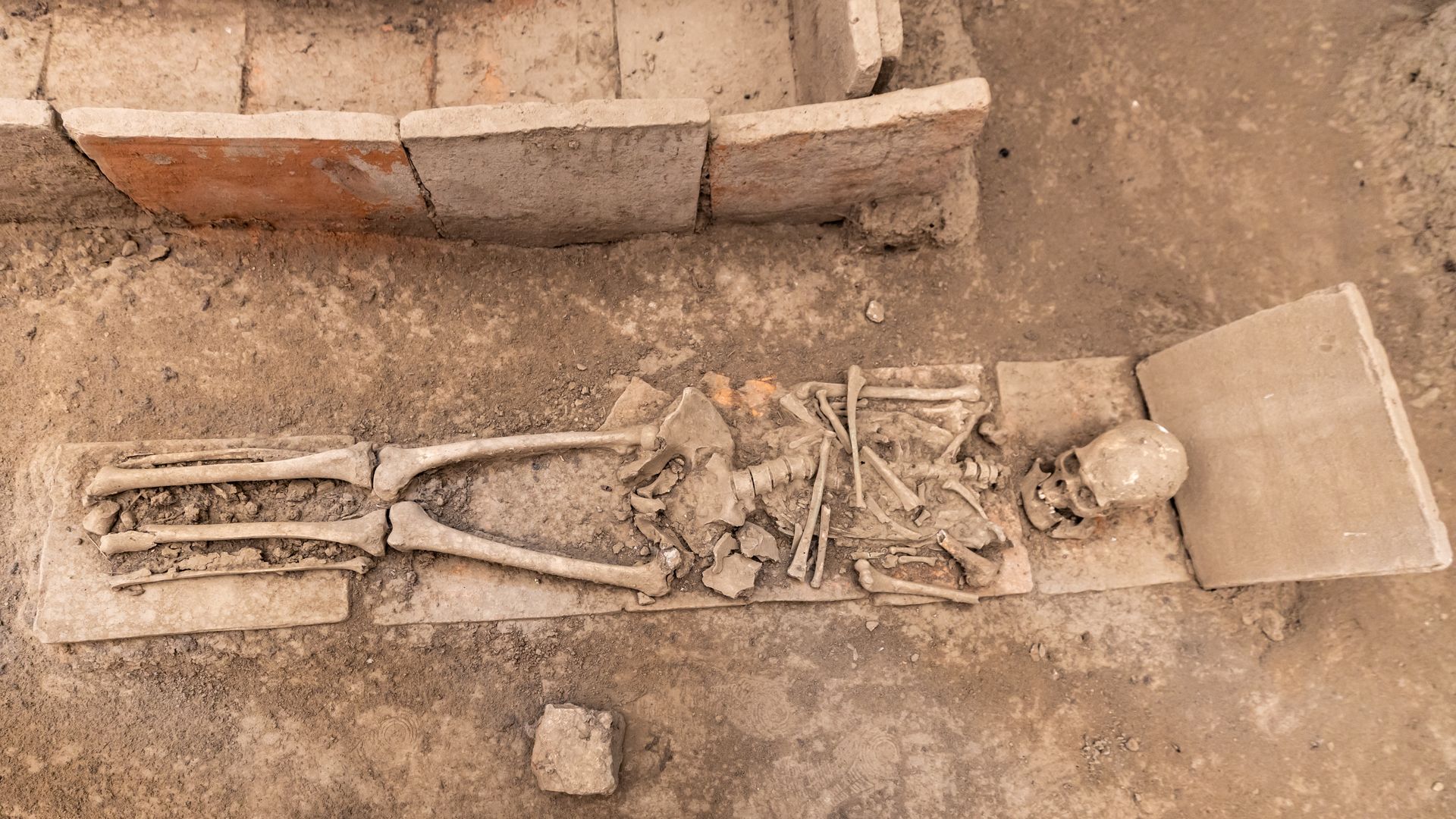
Why were these 18 Iron Age skeletons all buried the same strange way
The excavation of a roughly 2,000-year-old burial site revealed eighteen skeletons all buried upright, in the same unusual position. Archaeologists are weighing several theories about what the practice might mean.

On this day: Beijing turned an opening ceremony into legend on 08-08-08
On August 8, 2008, at exactly 8:08 pm, the opening ceremony of the Beijing Summer Olympics began — a historic spectacle built around the number eight's auspicious meaning in Chinese culture and directed by filmmaker Zhang Yimou. It became a defining symbol of China's arrival on the global stage.

What is the Devise for the Succession, and how did it trigger a Tudor crisis
According to HistoryExtra, the dying teenage King Edward VI attempted to rewrite England's line of succession in his own hand in 1553. The illegal document sought to disinherit his sisters Mary and Elizabeth and place his Protestant cousin, Lady Jane Grey, on the throne.

On this day: Philippe Petit walks a tightrope between the Twin Towers (1974)
On August 7, 1974, French high-wire artist Philippe Petit walked across a wire he had illegally rigged between the recently completed Twin Towers of New York's World Trade Center. Performed roughly 400 meters above the street, the feat captivated the world and later became the subject of an Oscar-winning documentary.