Hollywood and OpenAI: how artificial intelligence is reshaping the cinema economy

The alignment between Hollywood's major studios and AI companies such as OpenAI has reached a concrete stage through Italian director Luca Guadagnino's new artificial-intelligence-themed film "Artificial." According to a comprehensive analysis by The Verge on Tuesday, the alignment could profoundly affect the next five years of the film industry.
"Artificial" was developed after a series of conversations between Guadagnino and OpenAI CEO Sam Altman. The film's script handles tensions inside an AI laboratory; a fictional CEO and a research director occupy central roles. The Verge said Amazon MGM Studios, A24, Neon and Mubi are competing for the distribution rights to the film.
In addition to subject-matter alignment, the use of AI tools in the production process signals a structural transformation for the film industry. The transformation that Hollywood studios went through with CGI and visual effects a decade ago is happening again now through AI tools that affect scriptwriting, post-production and visual elements.
The Verge listed OpenAI's recent moves to position itself inside Hollywood's ecosystem over the past two years: access partnerships with studios for the Sora video generation model, collaborations with actors such as Bryan Cranston for voice synthesis, and technical consulting to primary production studios. These moves position AI not as a tool, but as a partner in the creative process.
The development of the film is contested in the industry. Writers Guild of America (WGA) leadership told The Verge: "It must be carefully watched that AI companies are this closely involved with the cinema industry, both in terms of copyright and labor conditions." Since the 2023 strike, the WGA has been sensitive about how AI use is regulated; restrictions have been introduced into standard member contracts.
In contrast, some producers argue that AI tools enable small and independent filmmaking. The cost of visual effects had turned into an advantage for high-budget films (generally above 100 million dollars) over the last decade; AI-based VFX tools also open this advantage to smaller filmmakers.
The Verge also noted that the nature of OpenAI's investment in Hollywood differs from those of Anthropic, Google DeepMind and Meta's Llama teams. Anthropic does not yet have a video model comparable to Sora; while Google's VEO model has secured Hollywood partnerships, its scope is more limited.
Public acceptance of films being produced with Sora or comparable models remains uncertain. According to a Pew Research Center 2025 survey cited by The Verge, about 56 percent of US adults said they would prefer to avoid AI-generated scenes. In the same survey, around 30 percent considered AI production to be an acceptable integration.
A significant portion of upcoming negotiations between film industry unions will revolve around AI. The Screen Actors Guild (SAG-AFTRA) is seeking enhanced rights for AI voice and image use in its 2027 contract renewal cycle. Similar negotiations are expected for writers, directors and technical crews.
Guadagnino's film is a sign that Hollywood is embracing AI as theme, production tool and business partner. As The Verge stresses, the speed with which the film industry has accepted this innovation has the potential to reshape the sector from the ground up. Over the coming years, the mutual dependence of AI and Hollywood appears set to deepen.
Read next

Why Microsoft Edge is about to lock out older ad blockers
Microsoft Edge is ending support for the Manifest V2 extensions platform, the same move Google Chrome made earlier this year, which will disable the uBlock Origin ad blocker and others like it. The impact on most users will be limited, but the shift is part of a broader transformation of the browser extension ecosystem.
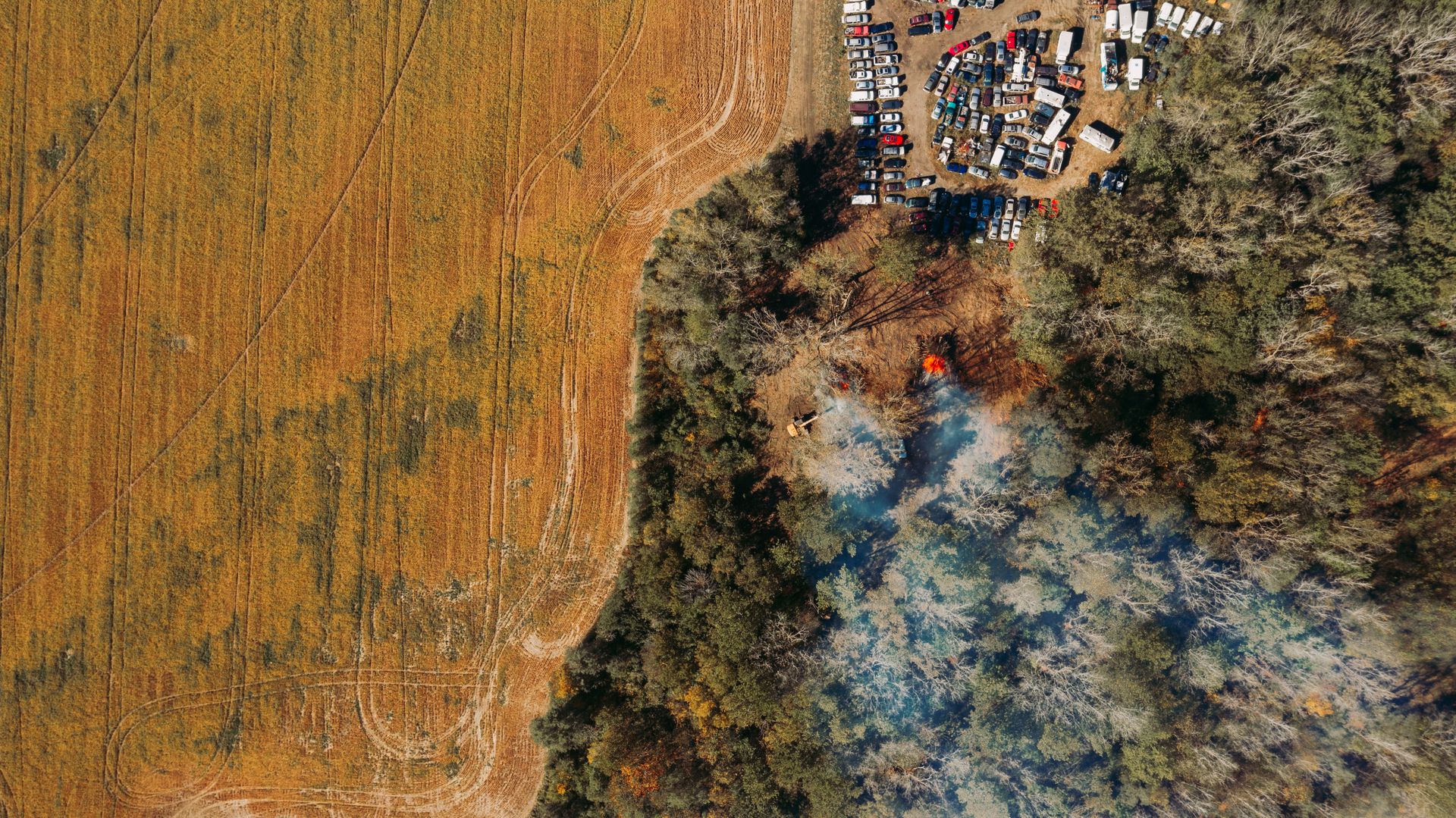
What is Copernicus, and how Europe's free satellite service tracks wildfires
Europe's free Copernicus satellite program has added wildfire visualization to its browser-based tool. The addition arrives during a record wildfire season and lets anyone track the spread of fires in near real time.
Why OpenAI slowed development of its Astra model over security concerns
OpenAI says its still-in-development Astra model reached a "critical cybersecurity threshold," meaning it could independently identify and carry out cyberattacks against well-protected real-world systems. The company says it deliberately slowed the model's development as a result.
Half a million black holes: how astronomers built one of the largest sky maps ever made
An astronomy consortium has released a massive all-sky map cataloging more than half a million supermassive black holes. The project gives scientists studying the distribution of these mysterious objects at the centers of distant galaxies a vast new dataset to work with.
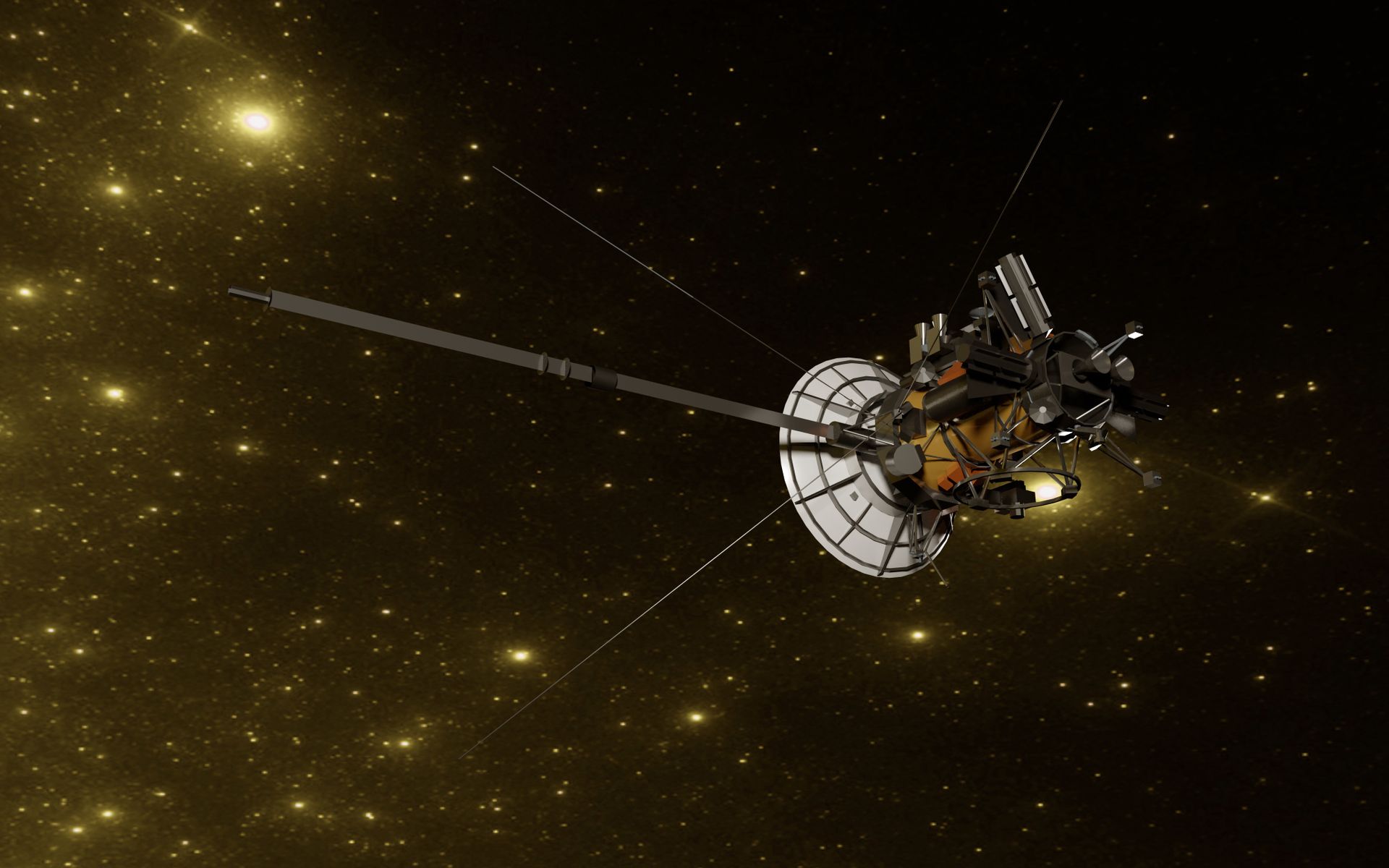
Voyager 2: how NASA keeps its 48-year-old probe running for one more year
Voyager 2, the spacecraft launched in 1977, will keep transmitting data for at least another year thanks to NASA power-saving measures. It's the latest step in extending the life of one of the only missions still sending signals back from the outer reaches of the solar system.