The world's most striking catacombs you can actually visit

Catacombs, meaning underground burial tunnels and chambers, trace their origins to first-century Rome. But most of the networks best known and most widely visited today were built across Europe in the 17th century, emerging as a solution to the burial space shortages caused by growing urban populations.
The catacombs of Paris are, without question, the most famous example in the world. In the late 18th century, overcrowding in the city's traditional cemeteries, along with the health problems it caused, led authorities to convert the ancient stone quarries beneath the city into crypts. Today it's believed more than six million people's remains rest in this underground labyrinth, with bones and skulls in some sections carefully arranged along the walls, sometimes into elaborate patterns.
Despite the attention Paris receives, similar underground burial networks exist across the world. In León, Mexico, the striking Neo-Gothic Templo Expiatorio church invites visitors into a lesser-known underground world. Its crypts carry traces of the region's complex religious and cultural history.
Italy has similarly deep-rooted underground burial traditions, with catacomb networks in various parts of the country dating back to early Christianity. Some of these tunnels served both as burial sites and, at times, as secret places of worship during the first centuries of the Roman Empire.
Early underground burial sites are also found across other Mediterranean countries, including Malta and Greece, with networks often expanded from natural cave systems or former quarries. Catacombs in these regions tend to be smaller in scale but no less historically rich.
The reasons behind catacomb construction vary considerably by region. Some, as in the case of Paris, arose directly out of public health concerns; others emerged from the need for secret worship and burial spaces during periods of religious persecution; still others were simply a practical reuse of underground spaces — quarries, natural caves — that already existed.
Visiting these underground spaces offers modern travellers an unusual experience: walking through narrow, dimly lit tunnels while coming face to face with the remains of people who lived centuries ago. Many visitors find the experience both unsettling and deeply thought-provoking.
For archaeologists and historians, catacombs offer a rich source of information not just about burial practices, but about the social structures of the time, the impact of epidemic disease, and how cities' physical boundaries were tested. Even the arrangement of bones offers clues about how death was understood in the period.
Many catacombs today are carefully preserved and subject to ongoing conservation work, since damp underground conditions can erode bones and structural elements over time. Keeping visitor numbers controlled also helps protect these fragile sites.
From Paris to León, from Italy's early Christian tunnels to the lesser-known networks of the Mediterranean, catacombs around the world continue to offer a unique, tangible history lesson in how humanity's relationship with death has changed shape across the centuries.
Read next

On this day: Elvis Presley died on August 16, 1977
On August 16, 1977, Elvis Presley, widely known as the 'King of Rock and Roll', died at his Graceland home in Memphis, Tennessee, at the age of 42. His death remains one of the most widely mourned moments in the history of popular music.

Fannie Bay Gaol: the frontier prison that held Australia's Northern Territory for nearly a century
For nearly a hundred years, Fannie Bay Gaol served as the principal prison of Australia's Northern Territory, holding everyone from cattle rustlers to condemned murderers behind walls built from local stone, timber and corrugated iron. Its gallows carried out the territory's last executions before the prison closed in 1979, leaving behind one of Australia's most complete surviving frontier penal sites.
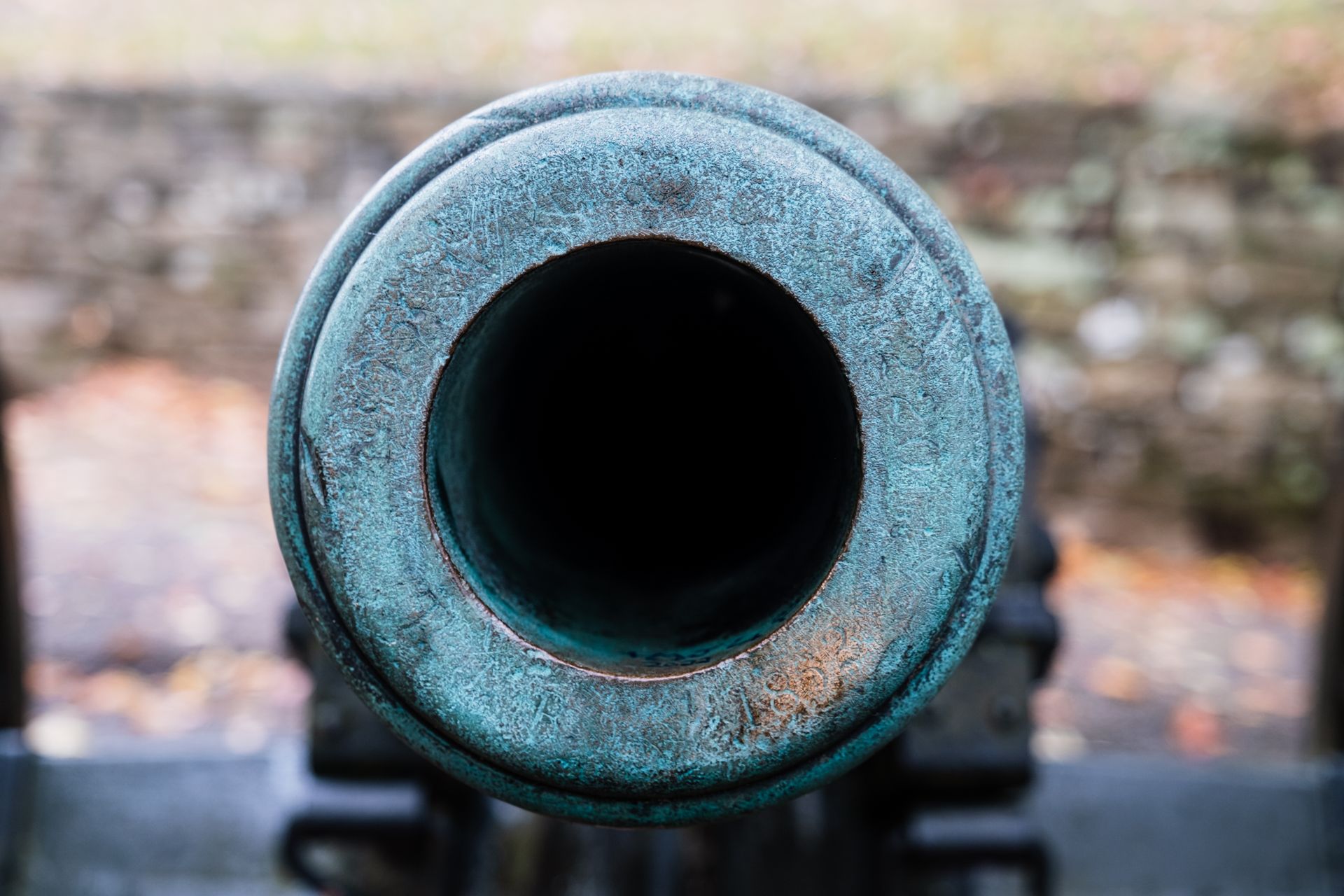
The Hessians were meant to crush the American Revolution fast. They fought for years instead
Roughly 30,000 German soldiers, widely but inaccurately remembered as mercenaries, fought for the British crown during the American Revolutionary War. Recruited under treaties between Britain and various German principalities, they were meant to help end the rebellion quickly — instead they endured nearly a decade of grinding warfare far from home.

On this day in 1914: the Panama Canal opened, rewriting the map of global trade
On August 15, 1914, the cargo ship SS Ancon made the first official transit of the Panama Canal, completing a decade-long construction project that let ships cross between the Atlantic and Pacific without sailing around South America. The canal remains one of the most consequential engineering projects in modern history.
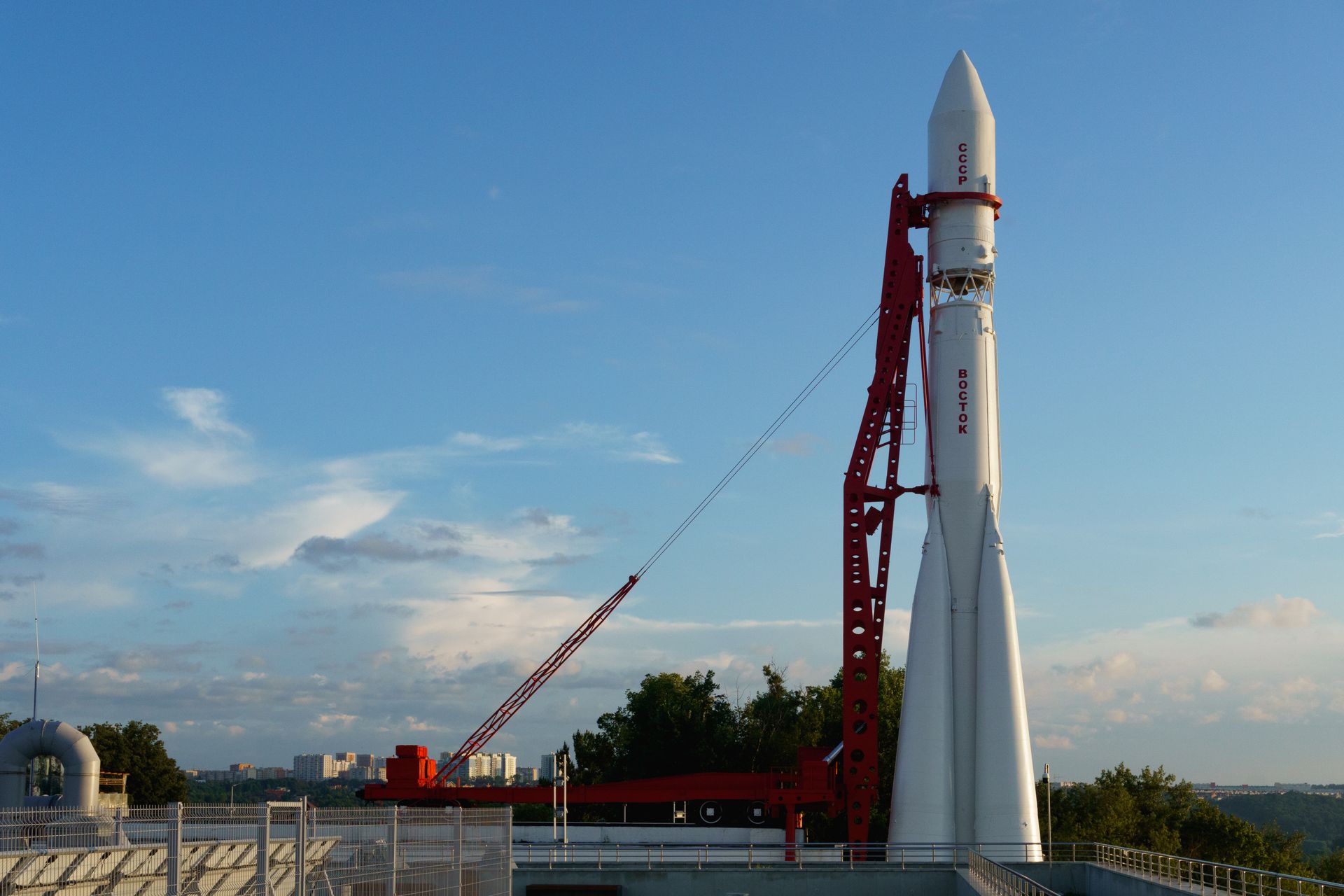
Who was Yuri Gagarin? The story of the first human in space
In 1961, Yuri Gagarin orbited the Earth once aboard the Vostok 1 capsule, becoming the first human being to venture into space. Born to a peasant family, his journey from rural Russia to global icon became one of the defining symbols of the Cold War era.