On this day: Elvis Presley died on August 16, 1977

On the afternoon of August 16, 1977, an ambulance was called to Graceland, Elvis Presley's mansion in Memphis, Tennessee. Presley had been found unresponsive on the floor of his bathroom. He was rushed to hospital, but resuscitation efforts failed, and the 42-year-old singer was pronounced dead. The news spread around the world within hours, marking the beginning of one of the most widely mourned moments in the history of popular music.
Presley was born in 1935 in Tupelo, Mississippi, and moved with his family to Memphis in 1948. Recording for Sun Records in the mid-1950s, he became a pioneer of a sound that fused the largely separate traditions of white country music and Black rhythm and blues at the time.
With songs including 'Heartbreak Hotel', 'Hound Dog' and 'Jailhouse Rock', Presley had become an international phenomenon by the end of the 1950s. His stage performances, known for their hip-swiveling energy, drew controversy from conservative critics of the era while generating unprecedented enthusiasm among younger audiences.
Throughout his career, Presley's reach extended well beyond music; he starred in dozens of Hollywood films and staged a powerful comeback to live performance with his 1968 television special, informally known as the '68 Comeback Special'. From 1969 onward, he began performing regular concerts in Las Vegas, which established him as one of the era's most recognizable live performers.
In his final years, Presley's health declined visibly. Dependence on prescription medication and weight struggles worried fans and those close to him, though the full extent of these issues wasn't widely known publicly at the time. His cause of death was attributed to heart failure, and later analyses have suggested prescription drug use may have played a contributing role.
When news of his death broke, thousands of fans gathered outside the gates of Graceland. His funeral was held in Memphis, and the city's streets filled with crowds hoping for a final glimpse of the singer. Graceland soon became one of the most visited private homes in the world.
Presley's musical legacy remains vivid nearly half a century after his death. His recordings have sold hundreds of millions of copies globally, and his role in the birth of rock and roll is considered undisputed by music historians.
Graceland opened to the public in 1982 and has since welcomed millions of visitors, making it one of the most-visited private residences in the United States. The mansion was designated a National Historic Landmark in 2006.
Every August, 'Elvis Week' commemorations held at Graceland continue to draw fans from around the world. The anniversary of Presley's death is still informally marked as 'Elvis Day' in popular culture, keeping alive the legacy of one of the music industry's most enduring figures.
Read next

The world's most striking catacombs you can actually visit
Catacombs, underground tunnels used as burial sites, date back to first-century Rome, though the most famous networks were carved out across Europe centuries later. From Paris's labyrinth holding the remains of more than six million people to hidden crypts beneath a Neo-Gothic church in León, Mexico, here's a look at catacombs around the world open to visitors.

Fannie Bay Gaol: the frontier prison that held Australia's Northern Territory for nearly a century
For nearly a hundred years, Fannie Bay Gaol served as the principal prison of Australia's Northern Territory, holding everyone from cattle rustlers to condemned murderers behind walls built from local stone, timber and corrugated iron. Its gallows carried out the territory's last executions before the prison closed in 1979, leaving behind one of Australia's most complete surviving frontier penal sites.
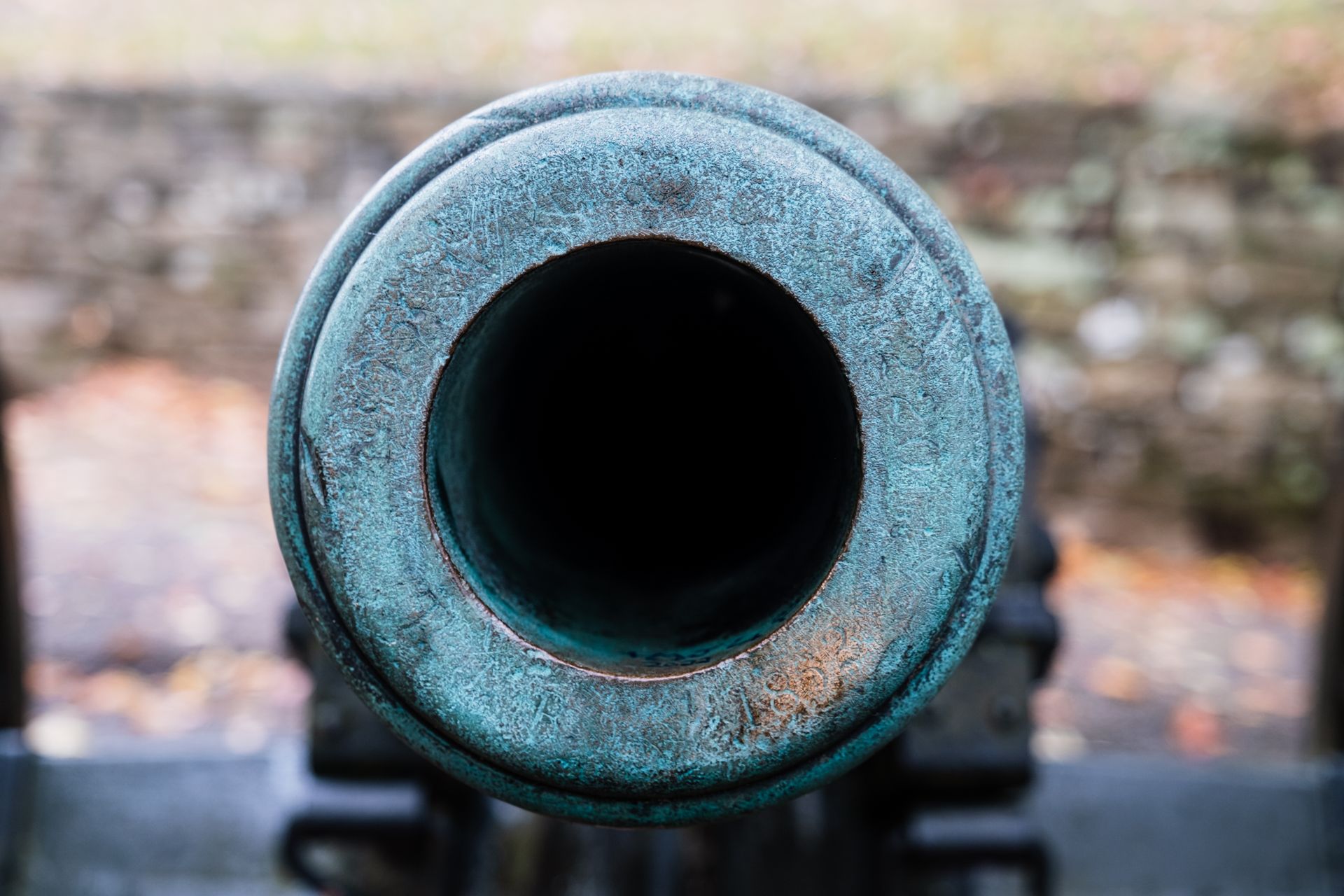
The Hessians were meant to crush the American Revolution fast. They fought for years instead
Roughly 30,000 German soldiers, widely but inaccurately remembered as mercenaries, fought for the British crown during the American Revolutionary War. Recruited under treaties between Britain and various German principalities, they were meant to help end the rebellion quickly — instead they endured nearly a decade of grinding warfare far from home.

On this day in 1914: the Panama Canal opened, rewriting the map of global trade
On August 15, 1914, the cargo ship SS Ancon made the first official transit of the Panama Canal, completing a decade-long construction project that let ships cross between the Atlantic and Pacific without sailing around South America. The canal remains one of the most consequential engineering projects in modern history.

Who was Yuri Gagarin? The story of the first human in space
In 1961, Yuri Gagarin orbited the Earth once aboard the Vostok 1 capsule, becoming the first human being to venture into space. Born to a peasant family, his journey from rural Russia to global icon became one of the defining symbols of the Cold War era.