Telegram ban in India sparks a rush to VPNs and rival messaging apps
When India's Ministry of Electronics and Information Technology blocked Telegram, the result was an ecosystem-wide shift in one of the world's largest digital economies overnight. According to TechCrunch, the banned platform had roughly 60 million Indian users — about 6% of its global base.
The official rationale is inadequate content moderation. The ministry said Telegram had been slow to respond to last year's content takedown notices and channel removal requests, particularly for channels operated by fraud rings and exam-paper cheating groups.
In the first day of the ban, VPN apps shot to the top of Google Play Store and App Store download charts in Indian regions. Cloudflare reported that VPN connections from India quadrupled in the first 48 hours. Surfshark and Proton VPN confirmed more than one million new subscription signups from Indian traffic.
Alternative messaging apps also saw heavy migration. WhatsApp remains India's most widely used platform (around 550 million users), but its group cap of 1,000 members is small compared to Telegram's million-member channels. Users moved to Signal, Discord and Element in search of the broadcast-style format. Signal said new user signups from India hit a daily average of around 30 times its normal level.
Discord is a notable winner. Built around gaming communities, Discord's per-server capacity (250,000 members) is close to Telegram's channel scale, making it the new home for education, finance and news channels. Discord's daily active users in India rose 280% after the ban.
Element is a technically different alternative. Built on the Matrix protocol, it allows self-hosted servers and is decentralised. Element's Indian user signups jumped 1,400%, becoming the go-to for technically literate users and corporate teams.
India-grown messaging apps are seeing an opening too. Hike, which had pulled back from the space after Koo's closure, is returning with messaging features. Tata-MTNL's joint venture Sandesh is being promoted as a government-aligned alternative. But user bases are small; both remain far from the scale needed to replace Telegram.
The ban has economic side effects. Telegram had become widely used infrastructure for small businesses, education services and digital content distribution in India. UPSC and other exam-prep institutes had been distributing material to million-member channels. Many are now in transition to Discord and Signal, but the migration is not free: channel operators estimate annual revenue losses of ₹5–50 lakh (about $6,000–$60,000).
On the privacy side, a debate has reopened. The surge in VPN use sits awkwardly with India's 2022 VPN-provider registration requirement, which obliges providers to retain Indian user data for five years. Many major VPN providers withdrew their Indian servers in response — but users continue to connect via servers abroad.
The ban's permanence is unclear. Telegram said it is open to discussions with India; chief executive Pavel Durov said new content-moderation mechanisms would be put in place. But the government is also asking for a concrete moderation mechanism and an Indian office, and resolution may take weeks or months.
The bigger picture is the global shape of the content-moderation, sovereignty and digital-economy debate. India's tensions with WhatsApp, Twitter (X), Telegram and Apple in recent years make it one of the most active digital-regulation jurisdictions outside the EU's Digital Services Act. If the Telegram ban produces the result the government wants, TechCrunch concludes, more such actions may follow.
Read next

The discovery that changed how scientists think about memory: a look at the 2026 Kavli Prize work
This year's Kavli Prize in Neuroscience went to the work showing that brain cells tag past experiences with 'synaptic markers' that move them into long-term memory. The IBM Think summary asks what the finding could change in AI design.

Can some coral reefs survive global warming? Scientists are racing to find them
Coral reefs are among the ecosystems most rapidly damaged by global warming. Ars Technica reports on the scientists searching for heat-tolerant coral colonies that could act as 'seed reefs' in the warmer oceans of the future.
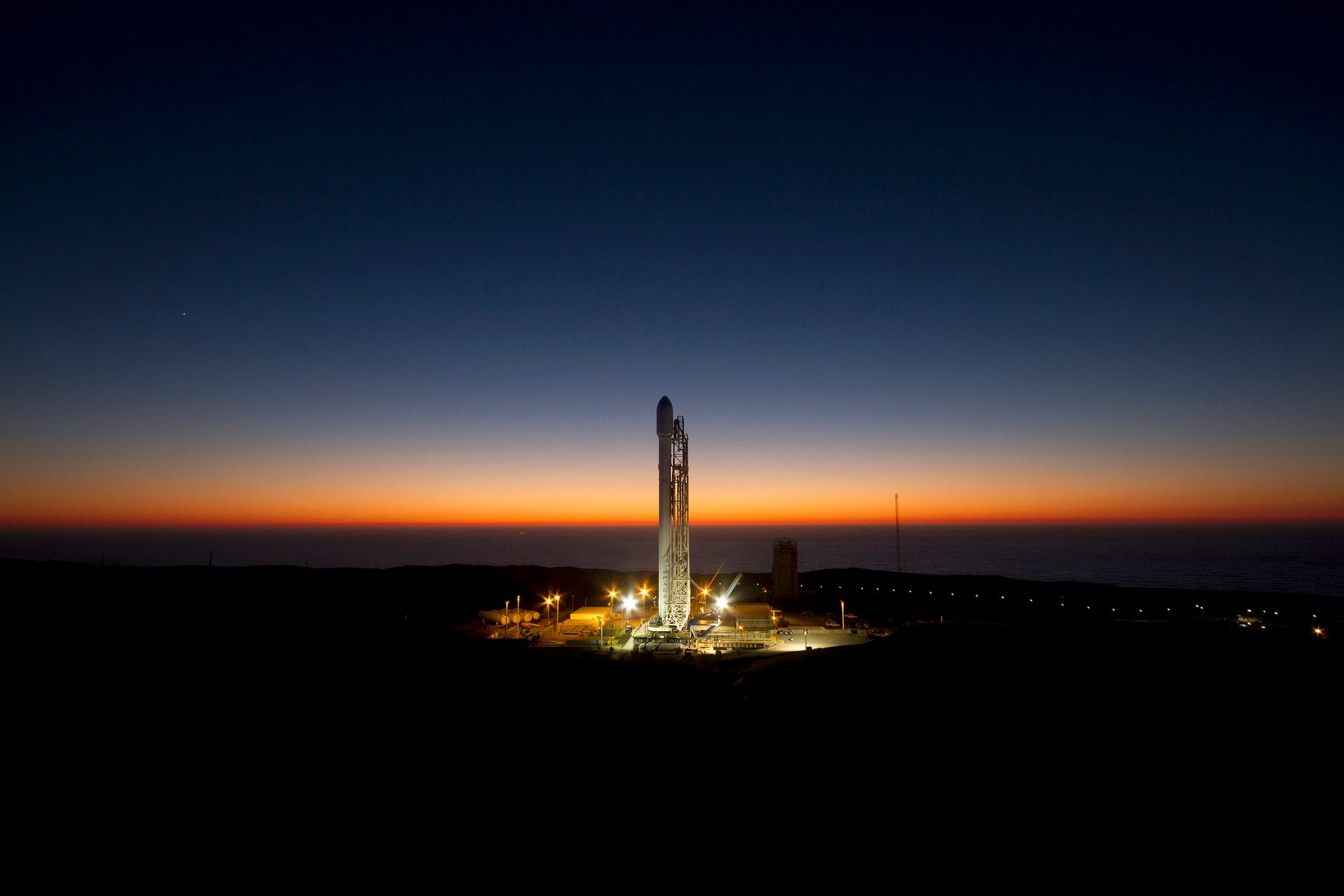
NASA picks Eric Schmidt's rocket company for a 2028 mission to Mars
NASA has picked Relativity Space — the rocket company former Google chief executive Eric Schmidt acquired in 2025 — to deliver its next low-cost Mars mission. The Verge says the $1.2bn contract targets a launch window in the summer of 2028.

Every fusion startup that has raised over $100M: where private capital has taken nuclear fusion
TechCrunch lists the 14 nuclear fusion startups that have crossed the $100m fundraising mark. Total private capital in the sector now passes $9bn, with approaches ranging from magnetic confinement to inertial and hybrid designs.

Why is DuckDB so fast? Columnar storage, vectorised execution and a modern analytical engine design
The open-source analytical database DuckDB has become a standard component in data-science tool stacks over the past three years. A new technical post highlighted on Hacker News walks through the three core design choices behind the engine's speed — columnar storage, vectorised execution and zero-copy integration.
